Property Investment Guide
Argentina
Currency dislocation, lifestyle depth, and contrarian real-asset value
Market Type
Contrarian, currency-driven value market
Risk Profile
High
Argentina is one of the world's most contrarian and misunderstood real estate markets, offering periods of extraordinary relative value driven by currency dislocation, macro volatility, and deep cultural and lifestyle appeal. For global investors, Argentina is typically positioned as a tactical, opportunistic allocation, not a core or passive market.
Ideal For
- HNWIs seeking contrarian, value-driven opportunities
- Family offices comfortable with macro and currency cycles
- Investors prioritising real-asset acquisition at depressed prices
- Buyers seeking lifestyle assets with global cultural appeal
- Capital allocators with patience and strong risk discipline
Consider Carefully If
- • Conservative capital-preservation mandates
- • Investors seeking stable yields and predictability
- • Purely passive strategies without local expertise
Why invest in Argentina?
Key factors driving global investor interest in Argentina property.
Currency-driven pricing dislocations
Argentina experiences recurring periods of sharp currency depreciation, capital controls and financial repression, and strong preference for hard assets. These cycles create rare entry points where high-quality property trades at a fraction of replacement cost in hard-currency terms.
Strong real-asset culture and domestic demand
Despite macro volatility, Argentina has a deeply ingrained culture of property ownership, strong domestic demand for quality urban housing, and preference for brick-and-mortar as a hedge against inflation. This supports long-term relevance of prime assets.
Global lifestyle and cultural appeal
Argentina offers European-style cities, world-class food, wine, and culture, and diverse landscapes from Patagonia to Mendoza. This underpins international lifestyle demand, particularly in select locations.
Key Investment Locations
Prime areas attracting international property investors in Argentina.
Buenos Aires
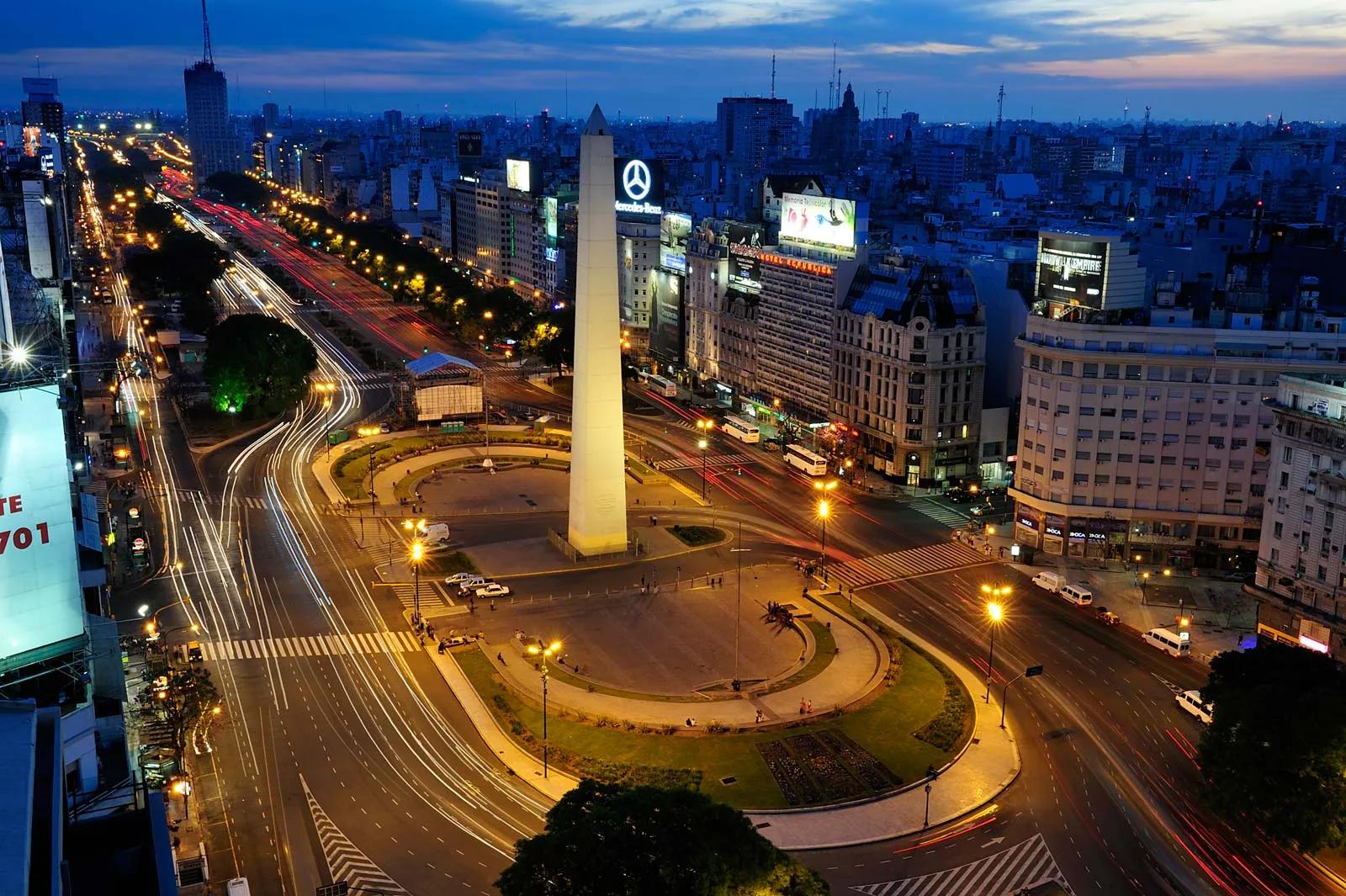
Argentina's primary real estate market with European-style architecture and strong neighbourhood identity. Key districts include Recoleta, Palermo, Belgrano, and Puerto Madero.
→ Urban value acquisition
Mendoza
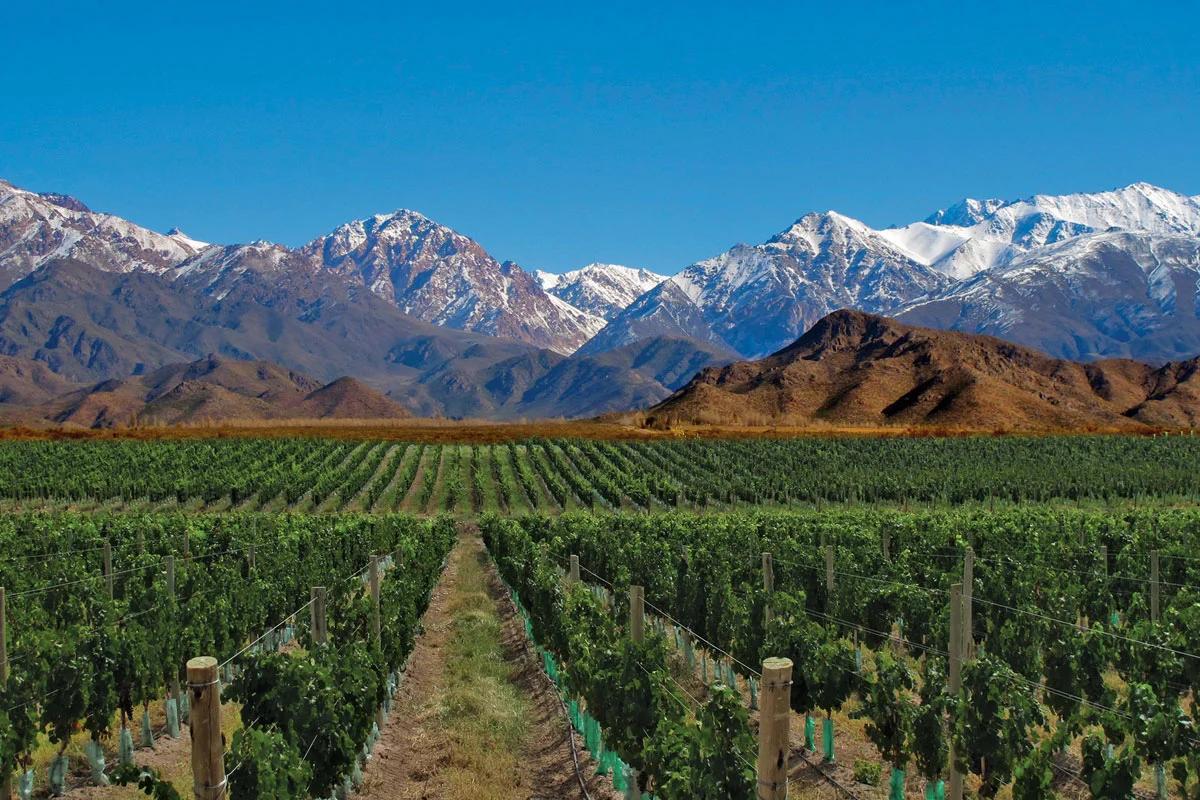
Argentina's premier wine and lifestyle region with vineyard estates and strong international branding.
→ Lifestyle-first and legacy investors
Patagonia
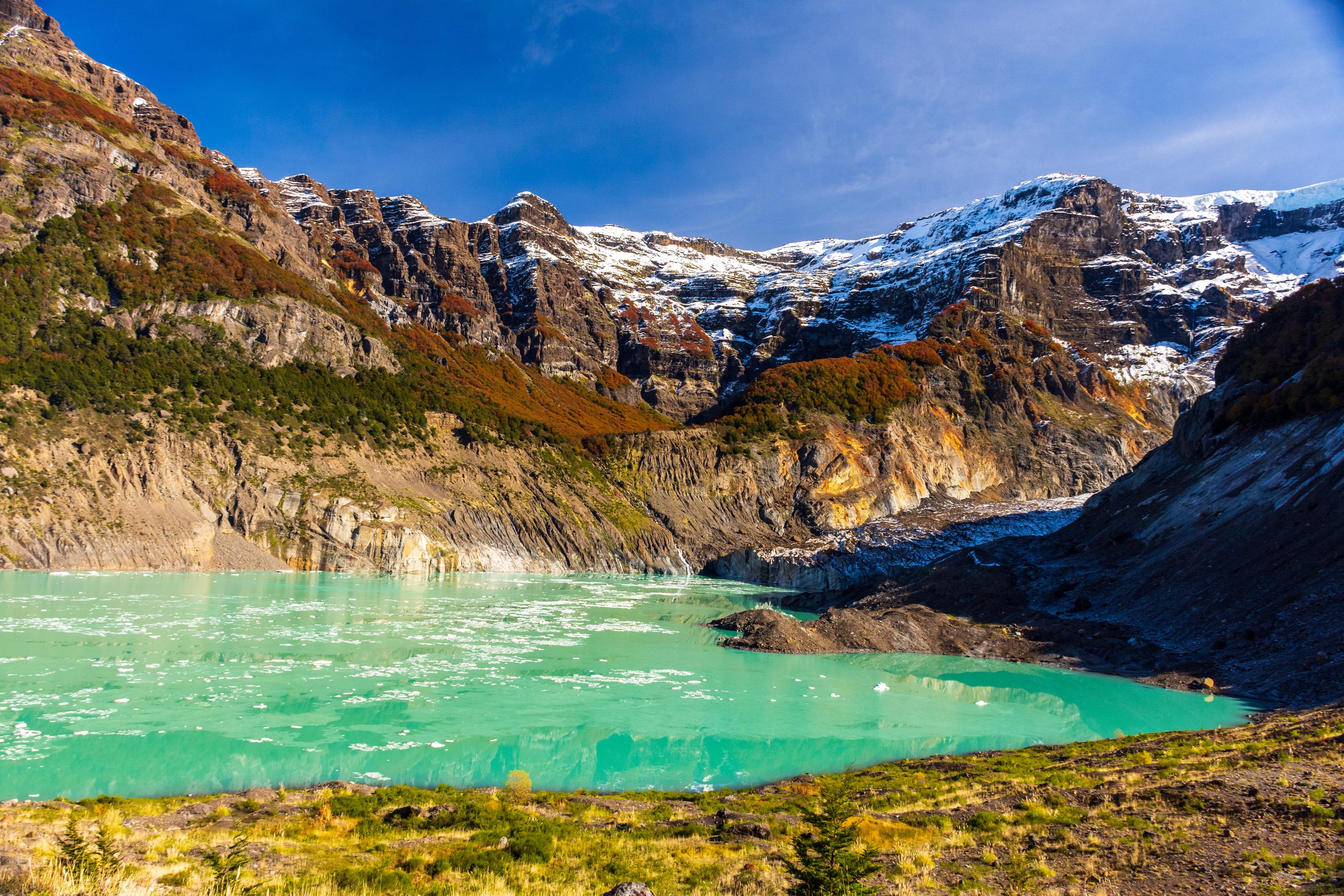
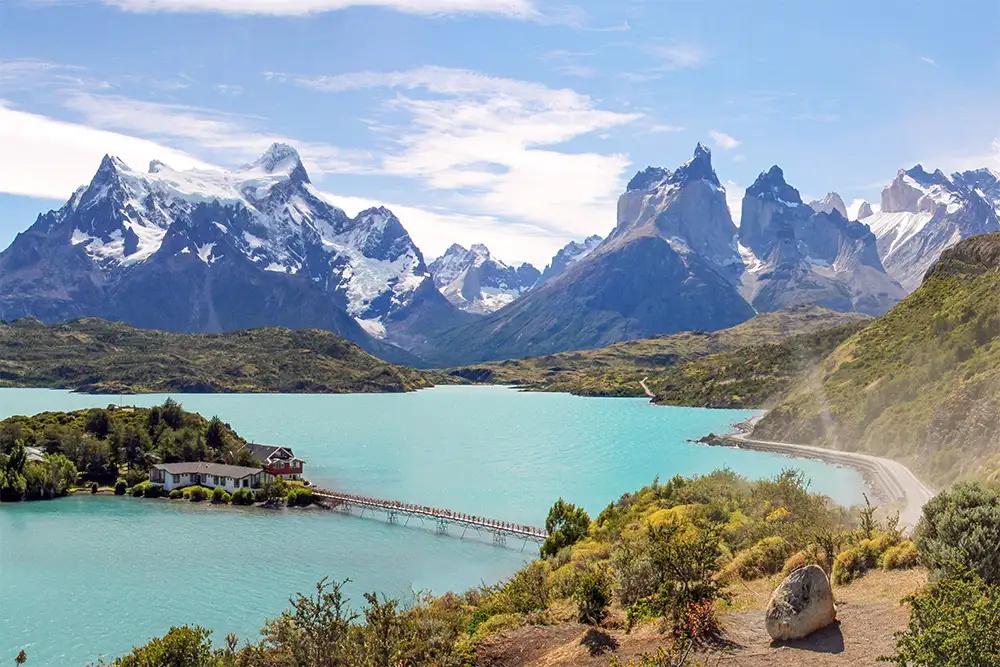
Regions including Bariloche and Villa La Angostura attracting nature and outdoor lifestyle buyers.
→ Careful local insight required
Investment Strategies
Common approaches for Argentina property investment.
Contrarian value acquisition
Investors focus on acquiring high-quality assets at FX-depressed prices, prioritising location and build quality, with long holding periods. Returns are driven by currency normalisation and asset repricing, not yield.
Lifestyle and second-home ownership
Many investors acquire Argentine property for cultural and lifestyle reasons, long-term personal use, and generational enjoyment. Rental income is often secondary.
Inflation-hedging real assets
Some investors use property as a hedge against global monetary debasement and part of a broader real-asset strategy.
Where Capital is Flowing
- Prime Buenos Aires neighbourhoods
- Assets priced below replacement cost
- Properties with strong domestic desirability
- Opportunities arising during periods of capital restriction
Key Considerations
- Currency volatility and capital controls
- Transaction and repatriation mechanics
- Regulatory and tax complexity
- Market illiquidity during downturns
- Importance of trusted local advisors
Read before you invest in Argentina
Buying process, city deep-dives, and on-the-ground neighborhood intelligence
Country buying guide
View all buying guides →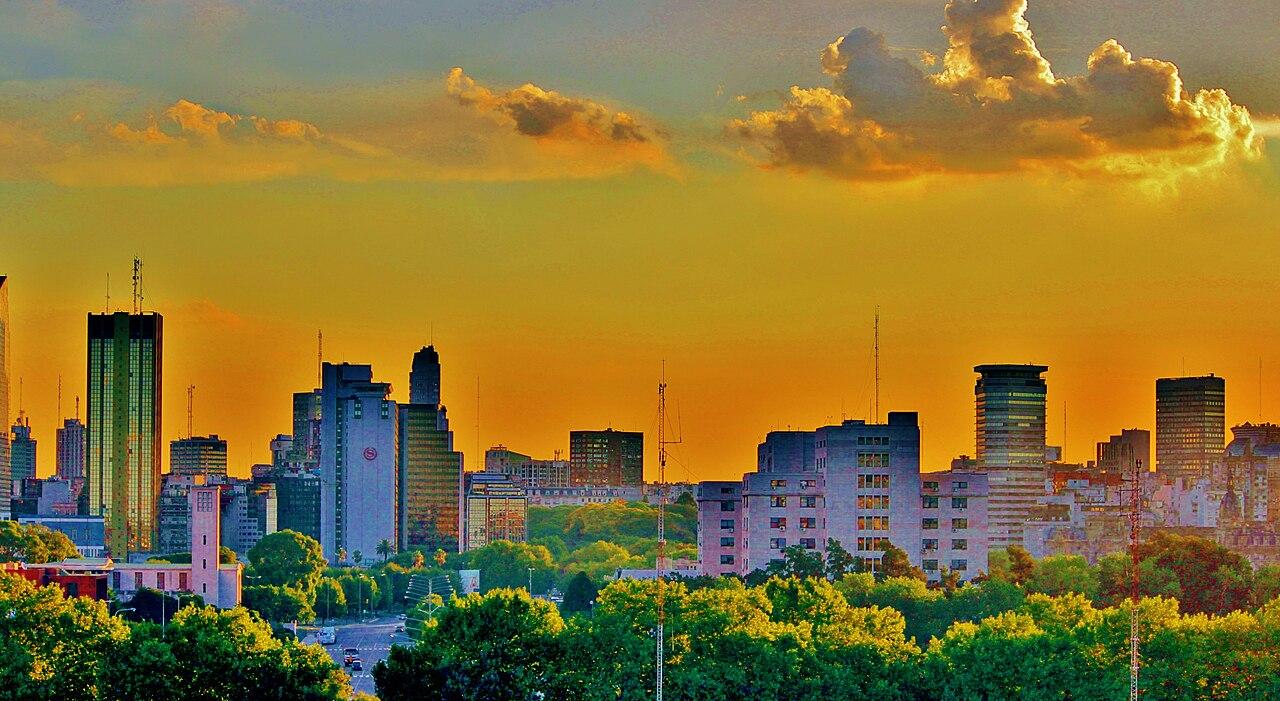
Buying Guide
Argentina Investor Guide
Investing in Argentina, A USD Cash Market, the Milei Reset, and Buenos Aires Recovery
City guides
View all city guides →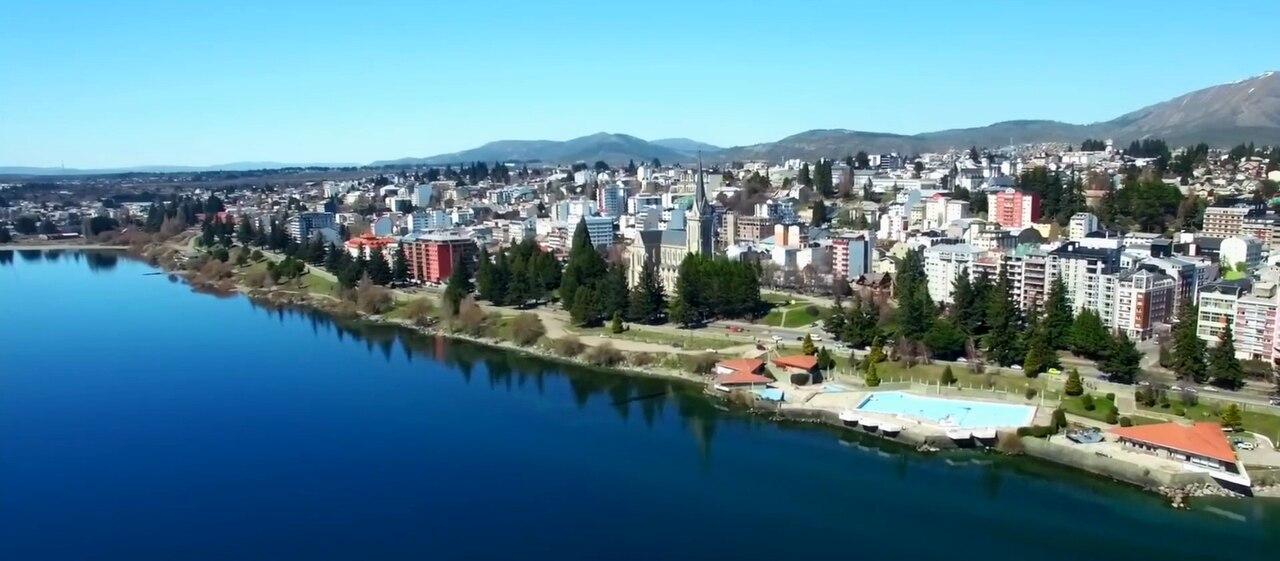
Bariloche
San Carlos de Bariloche is Argentina's premier Patagonian lake-and-ski resort on the southern shore of Lake Nahuel Huapi, and one of the country's most resilient real-estate markets. As of early 2026 the median price sits near US$2,700/m2, with city-centre apartments averaging about US$2,850/m2 and premium lakefront or ski-adjacent product reaching US$3,800/m2, a 40% premium over standard stock. The lakefront premium adds 20-30% and ski-resort proximity (Cerro Catedral) another 20-25%. Citywide USD appreciation runs 2-4% annually, but prime lakefront and ski properties post 4-7% and development lots 8-12%, reflecting genuine structural demand from tourism, second-home buyers and lifestyle migrants. City-centre gross rental yields are roughly 4.6% (price-to-rent ~21.9), with short-term tourist rentals materially higher in peak winter and summer seasons. Foreign buyers enjoy the same urban ownership rights as Argentines and need only a CDI tax identification number; however, because Bariloche lies in Río Negro within Argentina's border security zone, foreigners purchasing land here may require 'previa conformidad' authorization from the Interior Ministry, adding weeks to timelines. A late-2025 airport-capacity expansion should strengthen year-round connectivity, rental income and resale appeal.
8 min read
Buenos Aires
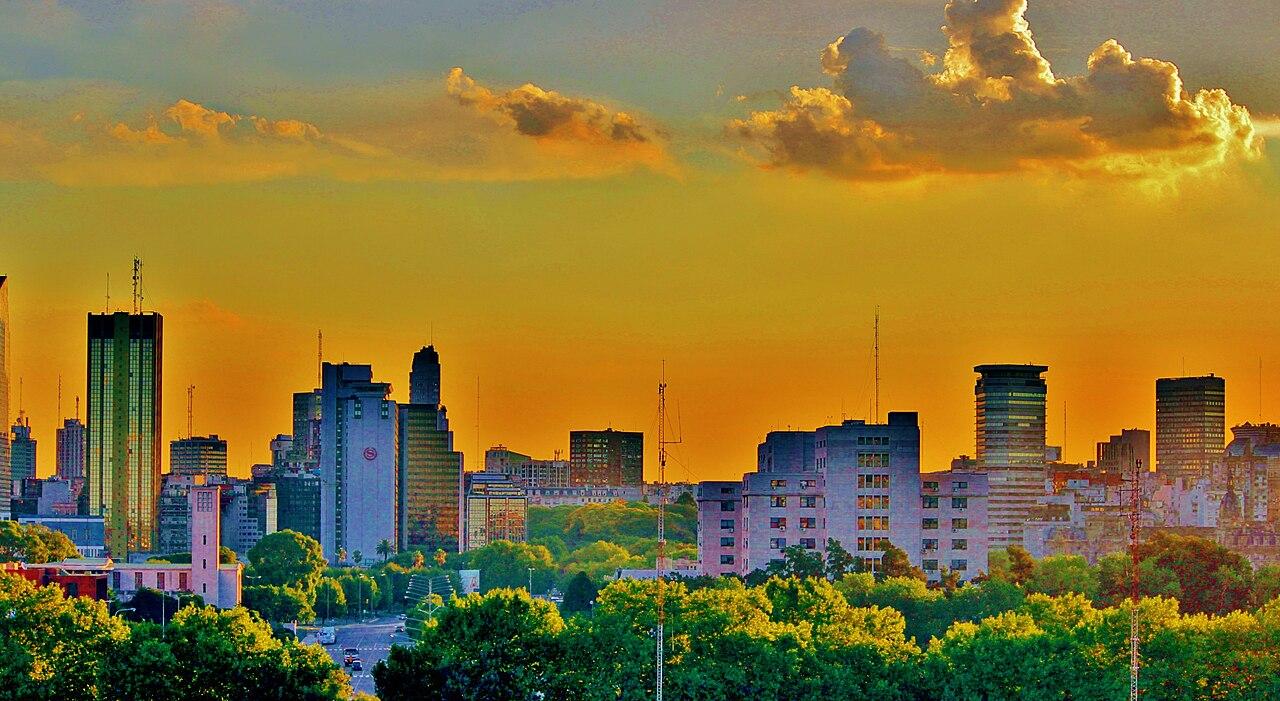
Buenos Aires is Argentina's capital and cultural heart, a European-styled city of grand Belle Époque architecture, celebrated dining and a waterfront business district at Puerto Madero. Its property market is transacted in physical US dollars, which has historically insulated owners from the peso's volatility and made the city a hard-currency store of value. After years of decline, USD prices rose around 5.6% in 2025 and remain roughly 10% below the 2016 level, framing the city as an early-cycle recovery play. The Milei government's rent-control repeal, disinflation and the return of UVA mortgage credit have revived activity sharply, with deeds and mortgage registrations climbing through 2025.
7 min read
Cafayate
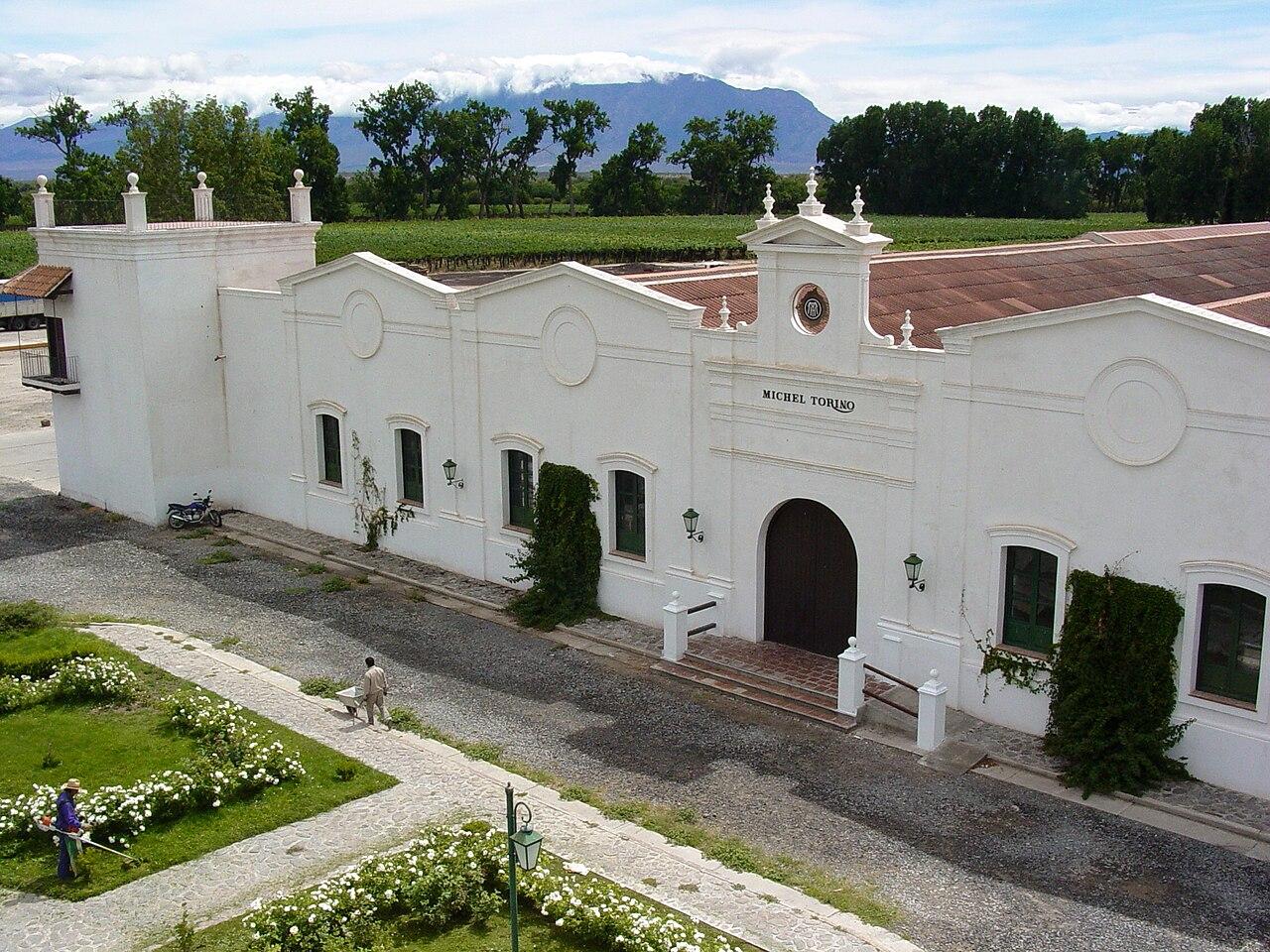
Cafayate is the wine capital of Argentina's northwest, a sun-drenched town at 1,660 m in the Calchaquí Valley of Salta Province, ringed by high-altitude Torrontés and Malbec vineyards and surreal red-rock canyons. With more than 320 days of sunshine a year, it has emerged as a lifestyle and wine-tourism investment destination anchored by exclusive developments like La Estancia de Cafayate, a 550-hectare community combining vineyards, golf, equestrian facilities and a world-class spa. The market is far more affordable than Patagonia: the median sale price is around US$118,000 with a median of roughly US$839/m² (about US$78/sqft), though estate villas and vineyard properties reach US$345,000-US$800,000. Wine-tourism rental programmes, such as managed villa-rental schemes attached to resorts, support gross dollar yields of 6-8%. Importantly for foreign buyers, Cafayate sits well inland, far from any international border-security zone, so the Ley 26.737 frontier restrictions that complicate Patagonian purchases do not apply here; urban and most rural parcels are freely purchasable, though large rural/agricultural holdings remain subject to the law's hectare caps now under constitutional review following Milei's Decree 70/2023.
8 min read
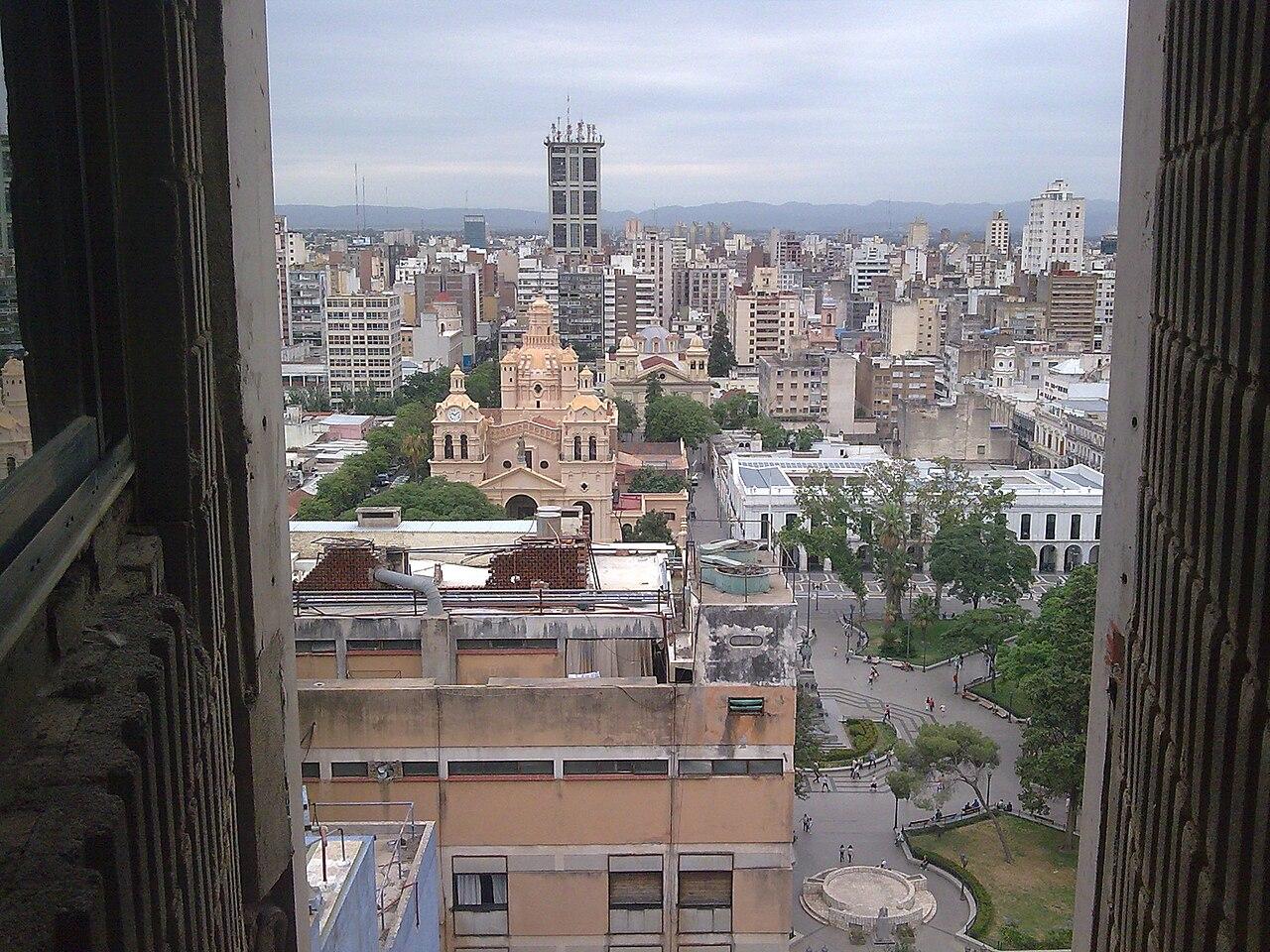
Córdoba City Guide
Córdoba is Argentina's second city, the country's university and innovation capital, a Jesuit-founded heartland metropolis of around 1.5 million people whose UNESCO-listed colonial core sits amid a young, energetic student economy and a growing technology and automotive industry. For investors it offers Argentine real estate's hard-currency, US-dollar dynamics at prices well below Buenos Aires, with student-driven rental demand concentrating in barrios like Nueva Córdoba.
8 min read
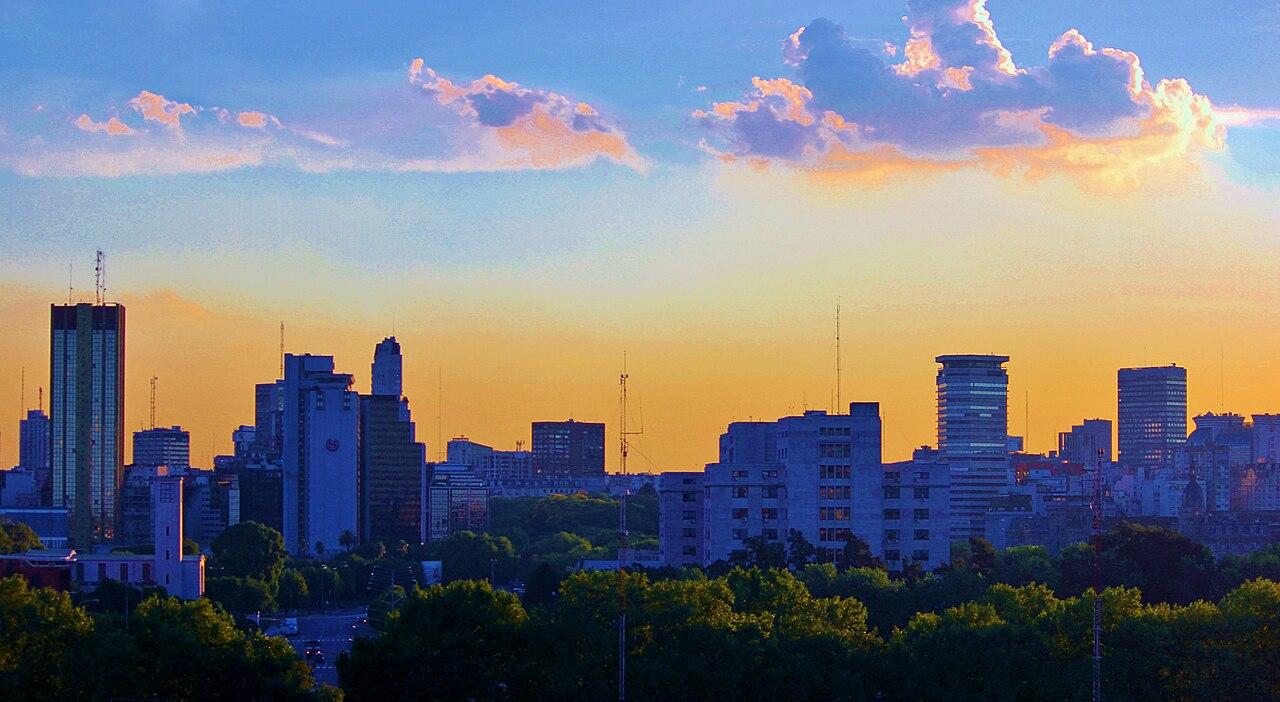
Mar del Plata
Mar del Plata is Argentina's flagship Atlantic beach city and the country's largest seasonal-rental market, drawing millions of porteños each summer. As of 2025 apartment prices range from roughly US$1,200 to US$1,800/m2, well below Buenos Aires's ~US$2,300-2,500/m2, with ocean-view and beachfront units commanding the upper end. That affordability, paired with intense summer tourism, makes the city a classic seasonal buy-to-let: long-term gross yields sit near Argentina's ~5% national average, but January-February short-term rentals along the beachfront can lift effective annual returns materially. The market is stabilising as national USD prices rose about 6% over the year to H1 2026 on renewed mortgage availability and rising transaction volumes. Mar del Plata is not within a border security zone, so foreign buyers enjoy full, unrestricted urban ownership rights identical to Argentines, needing only a CDI tax identification number to deed and register a property; coastal apartments carry no fideicomiso-style restriction. Year-round demand from a permanent population near 650,000, a major university and a working fishing port underpin the off-season, while the iconic Rambla, Playa Grande and Los Troncos give the city enduring lifestyle appeal for second-home and rental buyers alike.
8 min read
Mendoza City Guide
Mendoza is Argentina's wine capital and the gateway to the high Andes, a sunny, irrigated oasis city of tree-lined, acequia-fed streets at the foot of Aconcagua, world-famous for Malbec. Its economy blends viticulture, tourism and services, and for investors it offers Argentine real estate's US-dollar dynamics at low prices, strong wine-tourism demand, and a distinctive caveat: foreign ownership of rural/productive (vineyard) land is capped by national law, so wine-estate buyers must structure carefully.
8 min read
Neighborhood deep-dives
View all neighborhood guides →Bariloche
Centro Cívico
The alpine-stone civic heart on Nahuel Huapi's shore, packed with restaurants, chocolate shops and lake views.
Bariloche
Llao Llao
Bariloche's most exclusive lakefront, home to the iconic Llao Llao hotel and the Circuito Chico scenic drive.
Bariloche
Melipal
Established lakeside residential district along Avenida Bustillo, balancing lake access with everyday living.
Bariloche
Villa Catedral
The ski village at the base of Cerro Catedral, South America's largest ski area, built for winter rental demand.
Buenos Aires
Belgrano
An upscale, leafy residential barrio in northern Buenos Aires where embassy-lined mansions, mid-rise towers, top schools and the vibrant Barrio Chino sit on excellent subway and rail links.
Buenos Aires
Caballito
The geographic heart of Buenos Aires, Caballito is a leafy, solidly middle-class residential barrio pairing everyday liveability and excellent transit with two beloved parks and some of the best owner-occupier value in the city.
Buenos Aires
Núñez
A quiet, leafy, upper-middle-class barrio in the far north where tree-lined streets meet the Río de la Plata, the Estadio Monumental and a fast-growing dining scene, a calmer alternative to neighbouring Belgrano.
Buenos Aires
Palermo
Buenos Aires’ largest and most fashionable barrio, where leafy parks and grand mansions give way to cobblestone streets packed with world-class steakhouses, design boutiques and late-night bars.
How INTRIC Supports Your
Argentina Investment
INTRIC does not sell property. INTRIC helps members make better decisions before committing capital.