Property Investment Guide
Saudi Arabia
Transformational Vision 2030 creating unprecedented real estate opportunity
Market Type
Transformational, high-growth market
Risk Profile
Moderate to high
Saudi Arabia is experiencing the most ambitious economic and social transformation in its history under Vision 2030. The Kingdom's real estate sector is at the centre of this transformation, with trillions of dollars in planned investment creating new cities, tourism destinations, entertainment districts, and residential communities at an unprecedented scale.
Ideal For
- Institutional and sovereign wealth-connected investors
- HNWIs seeking exposure to transformational markets
- Tourism and hospitality operators seeking new markets
- Long-term investors with conviction in Vision 2030
- Regional investors familiar with Gulf market dynamics
Consider Carefully If
- • Risk-averse investors requiring proven track records
- • Those seeking immediate rental income from day one
- • Investors uncomfortable with evolving regulatory environments
Why invest in Saudi Arabia?
Key factors driving global investor interest in Saudi Arabia property.
Vision 2030 transformation
Vision 2030 represents the most ambitious national transformation programme in modern history, with trillions in committed investment fundamentally reshaping the Kingdom's economy, society, and built environment.
Demographic and urbanisation tailwinds
Saudi Arabia's young, growing population of over 35 million, combined with rapid urbanisation and rising income levels, creates fundamental demand for modern housing and lifestyle real estate.
Market opening and regulatory reform
Recent regulatory reforms are opening Saudi real estate to international investors, creating first-mover opportunities in a market that was previously largely closed to foreign ownership.
Key Investment Locations
Prime areas attracting international property investors in Saudi Arabia.
Riyadh
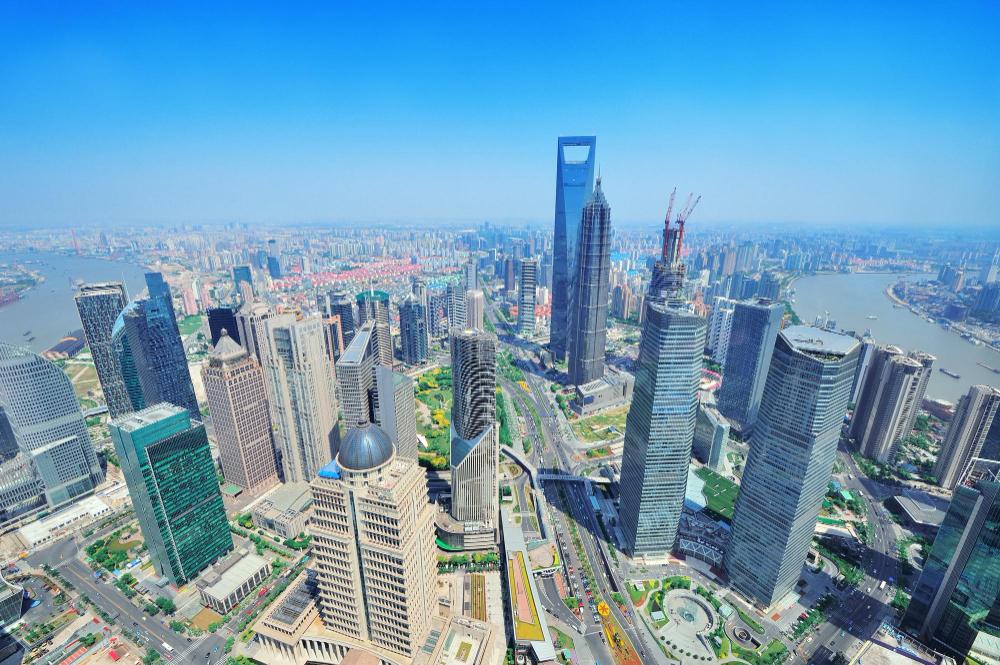
The Saudi capital is undergoing dramatic transformation under Vision 2030, with new entertainment districts, business hubs, and residential communities reshaping the city into a major international destination.
→ Urban growth and corporate demand
Jeddah
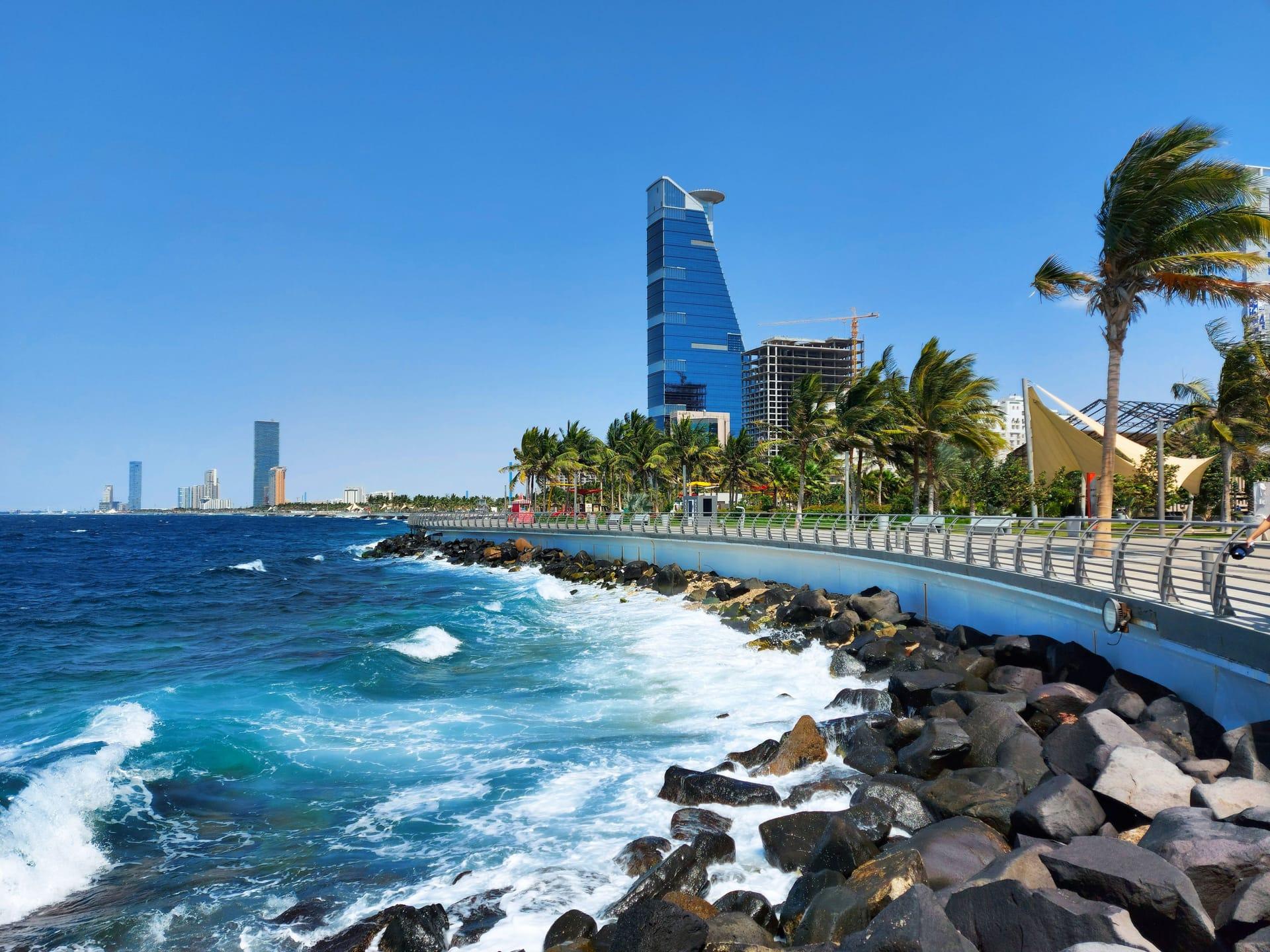
Saudi Arabia's second city and historic commercial capital on the Red Sea coast, with established business infrastructure and growing appeal as Vision 2030 opens the country to tourism and international investment.
→ Commercial hub and Red Sea coastal investment
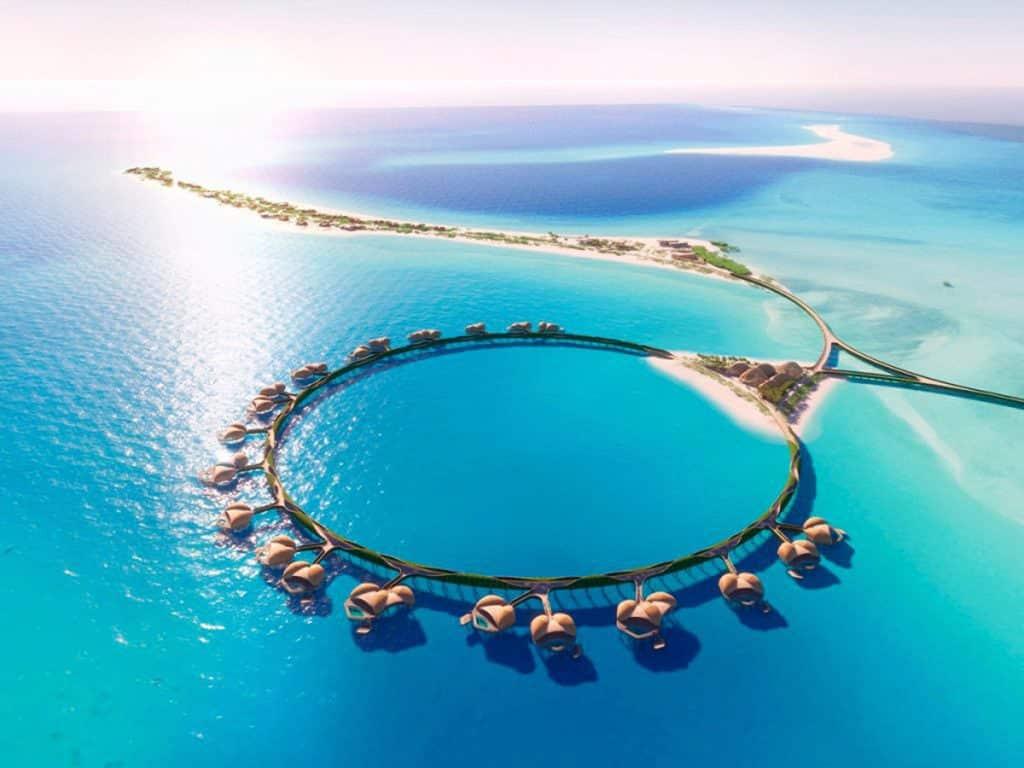
Giga-Projects (NEOM, The Red Sea)
Saudi Arabia's giga-projects — NEOM, The Red Sea, AMAALA, and others — represent the most ambitious real estate development programme in modern history, creating entirely new cities and tourism destinations.
→ Visionary mega-project and tourism investment
Investment Strategies
Common approaches for Saudi Arabia property investment.
Urban residential in gateway cities
Targeting residential and mixed-use investment in Riyadh and Jeddah, serving the growing young professional population and expanding international business community.
Tourism and hospitality
Investing in tourism and hospitality assets aligned with Saudi Arabia's dramatic opening to international tourism, from Red Sea resorts to entertainment-driven urban developments.
Giga-project and transformational investment
Strategic positioning in Vision 2030 giga-projects for investors with longer time horizons and appetite for transformational development programmes.
Where Capital is Flowing
- Established Riyadh and Jeddah locations with proven demand
- Projects with clear delivery timelines and reputable developers
- Assets serving the growing young professional demographic
- Tourism-oriented investments in proven corridors
Key Considerations
- Execution risk on mega-projects and timelines
- Evolving regulatory framework for foreign investors
- Market maturity and price discovery in new developments
- Oversupply risk in specific segments
- Geopolitical considerations
Read before you invest in Saudi Arabia
Buying process, city deep-dives, and on-the-ground neighborhood intelligence
Country buying guide
View all buying guides →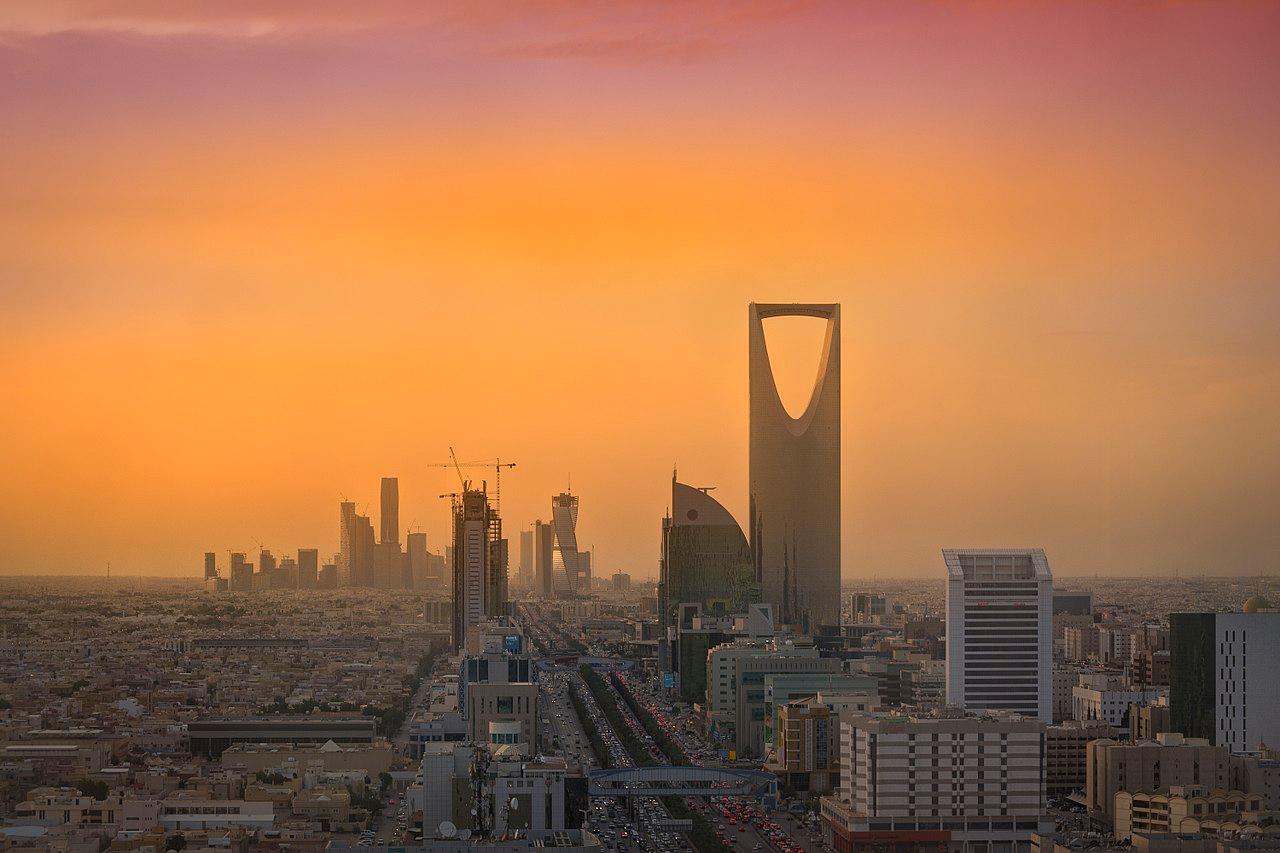
Buying Guide
Saudi Arabia Investor Guide
Investing in the Kingdom after the 2025 foreign ownership law, Vision 2030 megaprojects, Riyadh, Jeddah, and the wider market
City guides
View all city guides →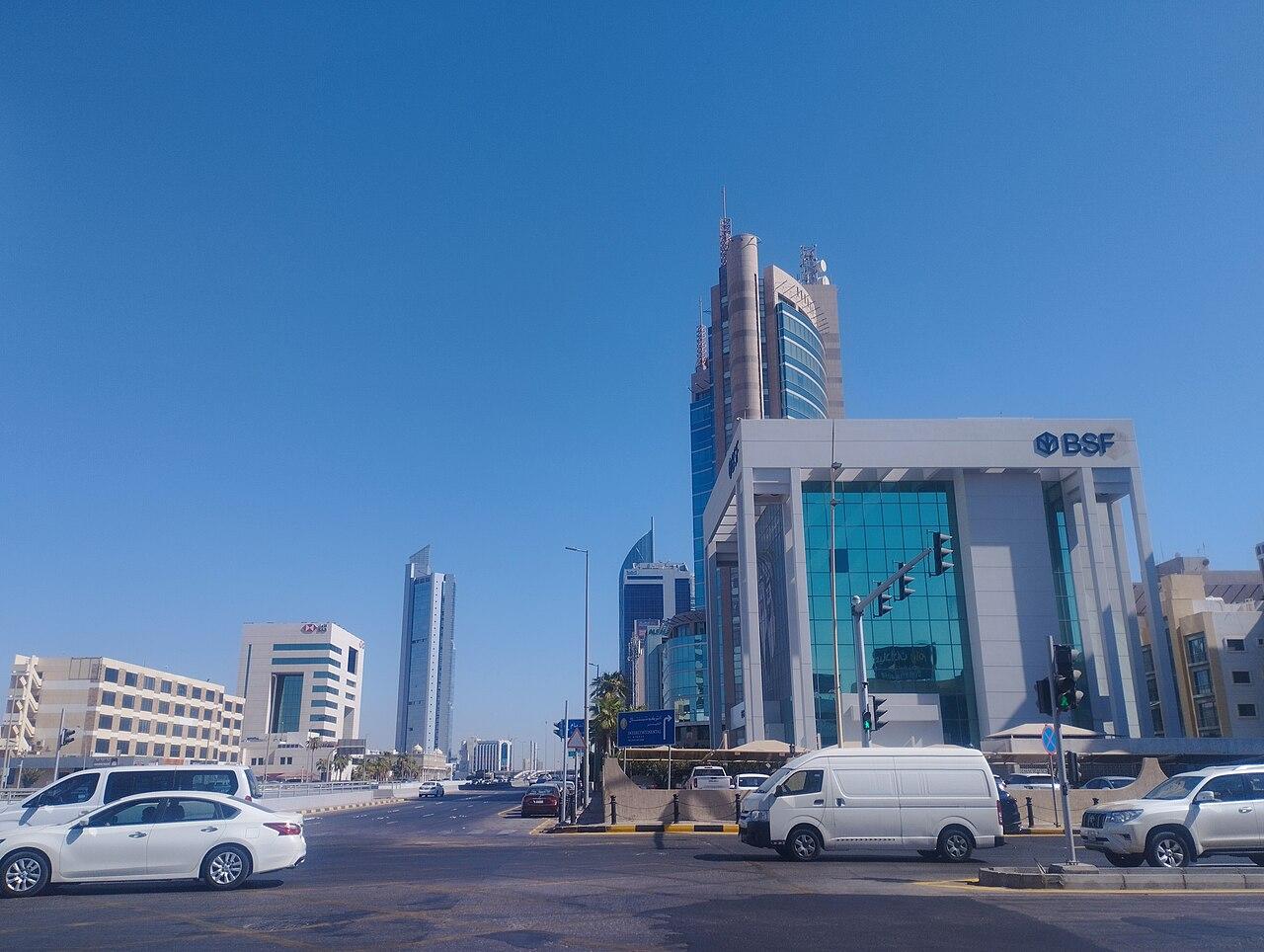
Al Khobar City Guide
Al Khobar is the cosmopolitan waterfront hub of Saudi Arabia's Eastern Province, part of the Dammam-Khobar-Dhahran metropolitan triangle and home to a large, affluent expatriate workforce tied to Saudi Aramco's Dhahran headquarters and the wider oil-and-gas economy. Unlike the Holy Cities, Al Khobar sits within reach of Saudi Arabia's liberalising foreign-ownership regime: the national law effective January 2026 lets non-Saudis acquire property within designated geographic zones, and Premium Residency holders already have broader ownership rights. The metro added 428 residential units in Q3 2025 toward a total stock of around 725,000 units, and the Eastern Province is expanding on Aramco-driven demand for executive housing and gated communities. Khobar's Corniche waterfront and the Al Aqrabiyah district show some of the strongest long-term rental demand in the Kingdom. National gross rental yields ran about 6.8-7.3% in 2025, with no personal income tax on rents but a 5% Real Estate Transaction Tax on transfer.
11 min read
Dammam City Guide
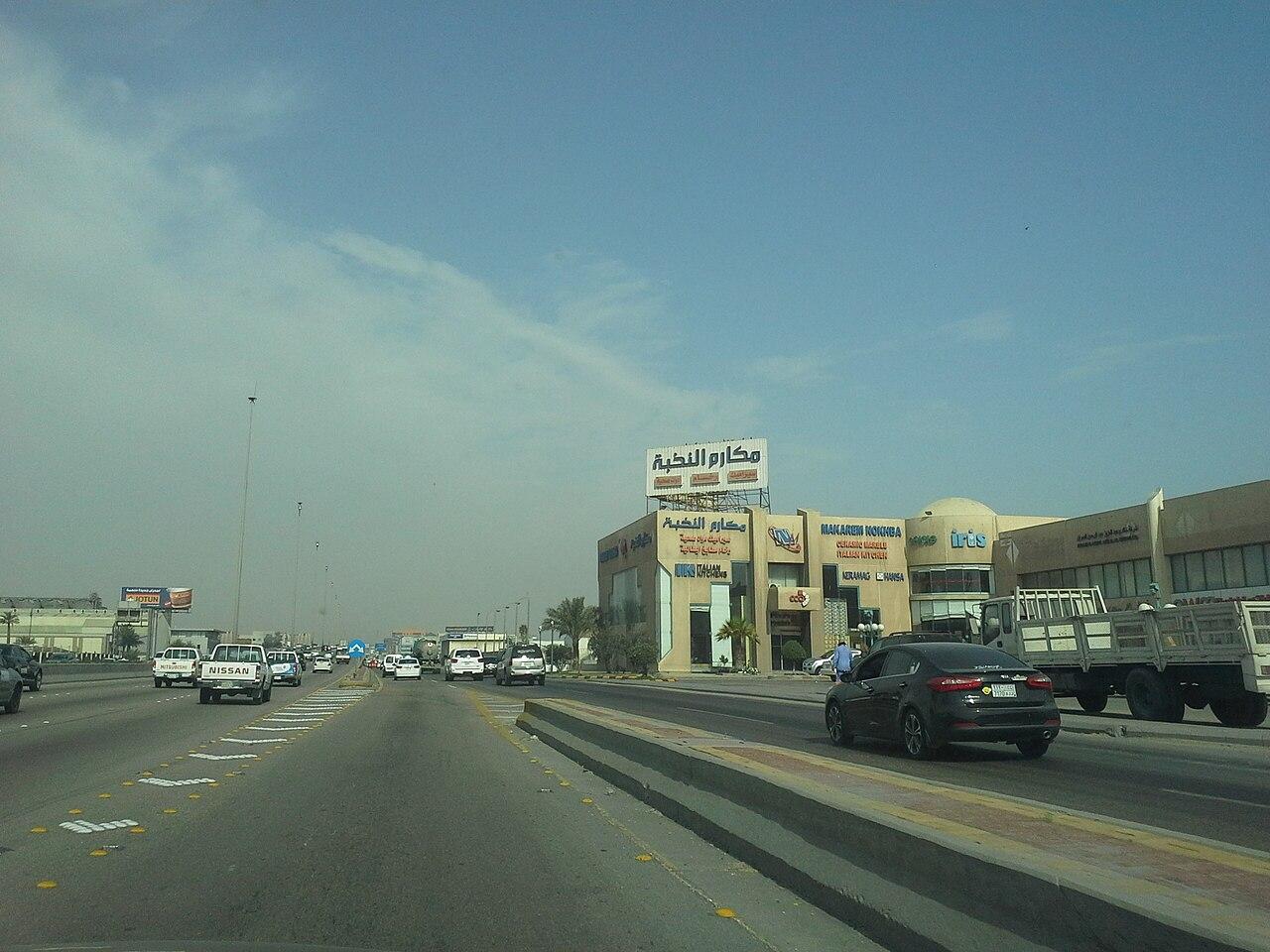
Capital of Saudi Arabia's Eastern Province and the beating heart of the Kingdom's energy economy, Dammam emerged in 2025 as the fastest-growing property market in Saudi Arabia. Anchored by Saudi Aramco's regional operations, the King Fahd Industrial Port, and the Dammam-Khobar-Dhahran metropolitan triangle, the city draws a deep base of energy-sector professionals, expatriate workers, and domestic end-users priced out of Riyadh and Jeddah. Investment attention concentrates on the Corniche-adjacent gentrification of Al Shati, established Al Faisaliyah, family-favoured Al Rawdah, and the improving infrastructure corridors of Al Rayan and Al Manar. Residential transactions reached roughly 3,000 in Q3 2025 - up nearly 60% year-on-year - with sales values climbing to SR3.2 billion. Apartments average around SAR 3,900 per square metre and villas roughly SAR 9,500, a meaningful affordability discount to the western metros that continues to pull both investors and owner-occupiers eastward. With Vision 2030 industrial diversification, expatriate relocation, and a comparatively modest 2026-2027 delivery pipeline of around 12,000 homes, Dammam enters 2026 with the supply-demand tension that has underpinned its surge.
7 min read
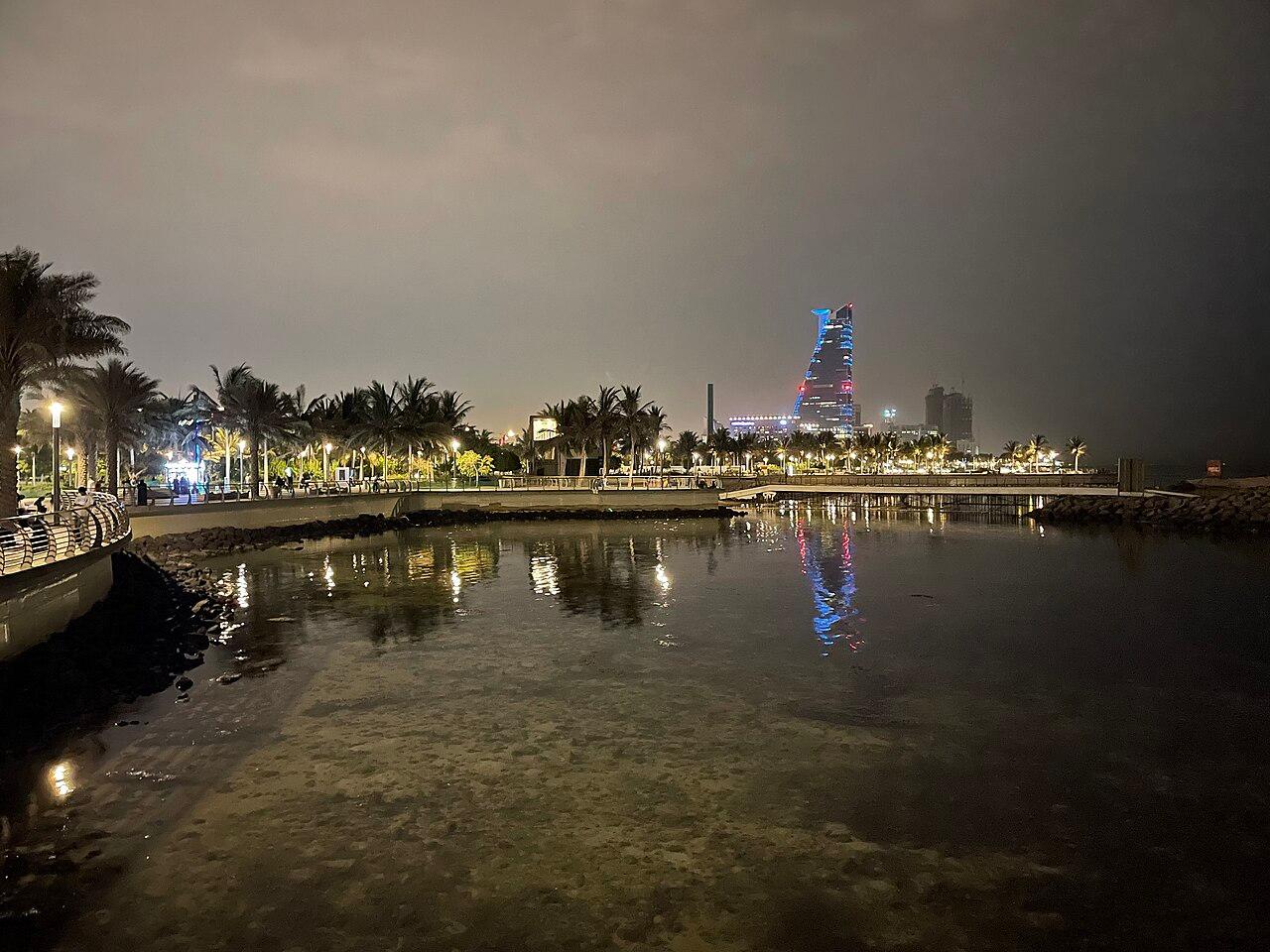
Jeddah
Jeddah is Saudi Arabia's commercial capital, second-largest city, and the historic gateway to the Holy Cities of Makkah and Madinah. The city sits on the Red Sea, has long been Saudi Arabia's most cosmopolitan and merchant-driven urban centre, and serves as the launchpad for the Red Sea Project, NEOM (north), and the broader western Saudi tourism opening. Residential prices in prime districts (Al Shati, Al Hamra, Al Rawdah, Al Zahra) run SAR 4,500-9,500 per square metre, with gross yields of 6.0-7.5% -- above Riyadh because Jeddah is NOT subject to the September 2025 rent freeze. This makes Jeddah the more attractive near-term yield play within Saudi Arabia for foreign buyers. For international buyers (post-2025 foreign ownership law), Jeddah offers Red Sea coastal positioning, the Hajj/Umrah economy (10+ million pilgrims annually), and unconstrained rental income growth. The catch: regulatory pace lags Riyadh, designated foreign-ownership zones may roll out later, and infrastructure quality is patchier than the capital.
8 min read
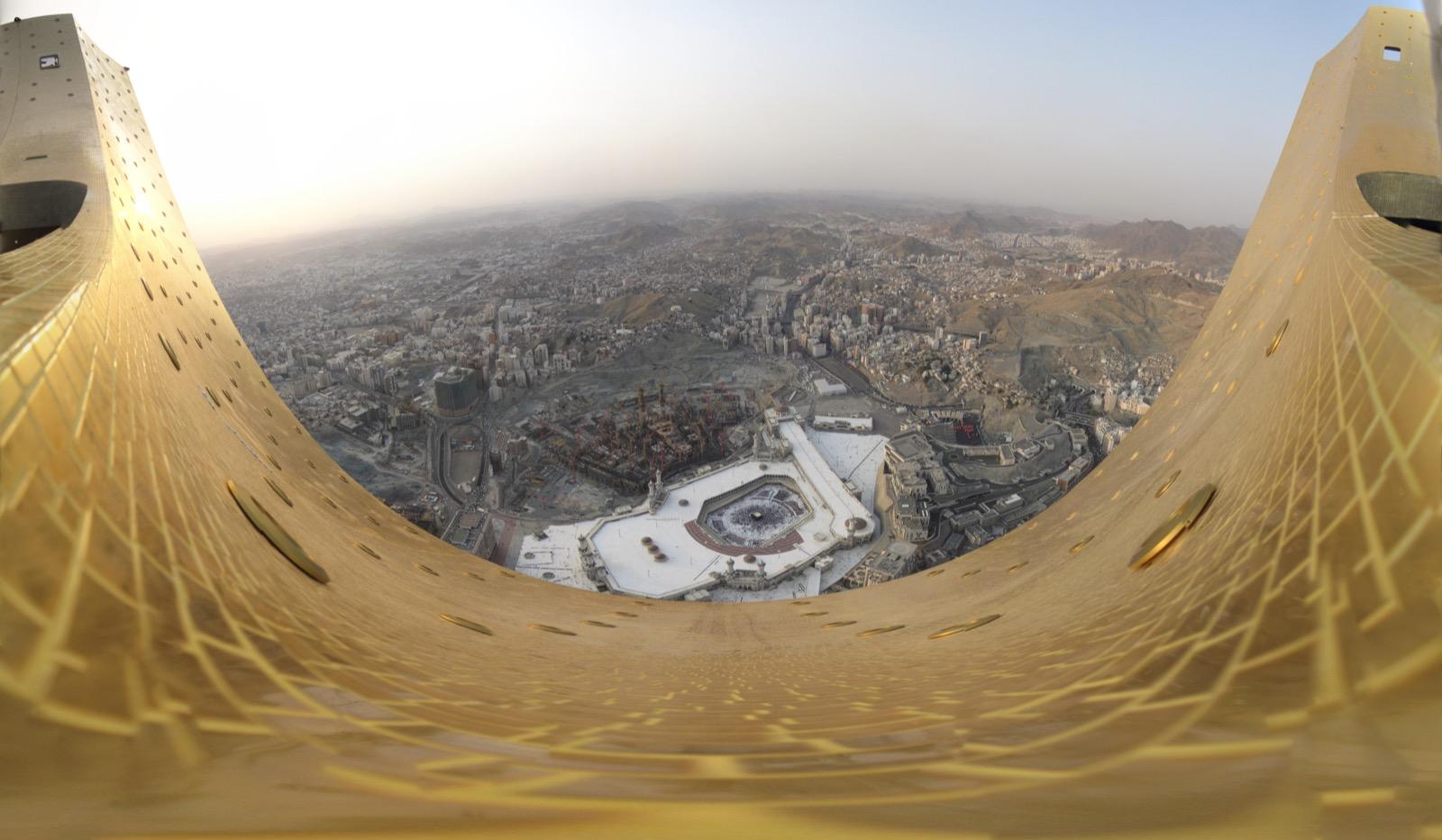
Mecca City Guide
Mecca, capital of Makkah Province and Islam's holiest city, is home to the Masjid al-Haram and the Kaaba, drawing well over ten million Hajj and Umrah pilgrims a year and underpinning one of the world's most concentrated hospitality real-estate markets. For foreign investors this is the most restricted market in Saudi Arabia: the new national foreign-ownership law that took effect in January 2026 explicitly carves out Mecca and Medina as special high-restriction zones, so non-Saudis cannot freely buy property here. The realistic route is indirect, a January 2025 reform now lets foreign investors take stakes in listed companies that own real estate in the two Holy Cities, alongside long leasehold structures (up to 99 years) typically tied to pilgrim-accommodation and hotel schemes. Mecca residential prices actually softened, falling about 2.1% in Q1 2025 even as Riyadh surged, reflecting an oversupplied pilgrim-housing segment rather than scarcity. The investment case is hotel and serviced-apartment leasehold yield driven by year-round religious tourism, not freehold capital gains.
12 min read
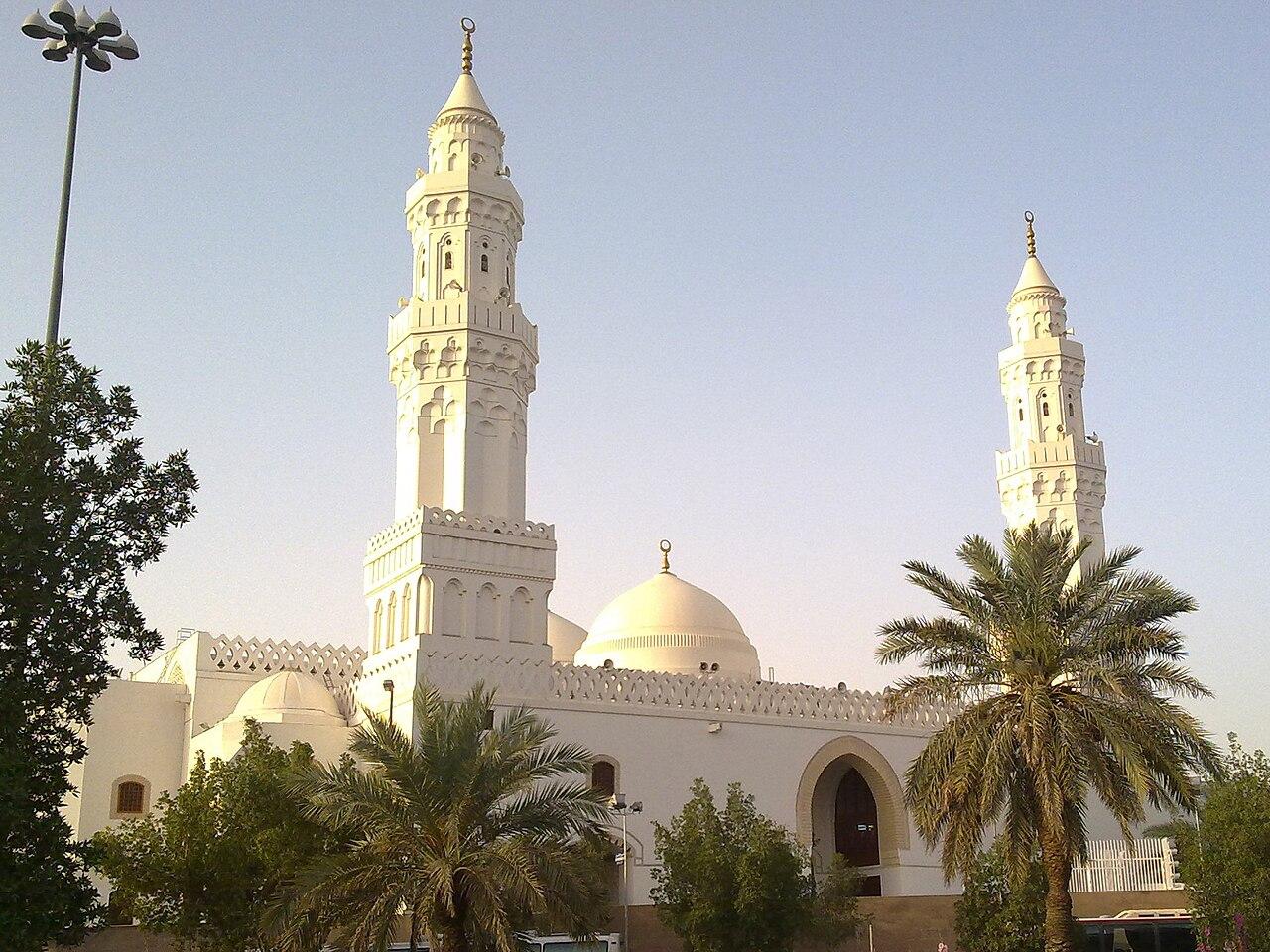
Medina City Guide
Medina, capital of Al Madinah Province and the second-holiest city in Islam, is built around Al-Masjid an-Nabawi (the Prophet's Mosque) and absorbs the bulk of Hajj and Umrah pilgrims alongside Mecca, making pilgrim accommodation its dominant real-estate sector. Like Mecca, Medina is a special high-restriction zone under Saudi Arabia's foreign-ownership law that took effect in January 2026, so foreigners cannot freely purchase freehold; non-Muslims are barred from owning inside the city's sacred boundaries, and non-Saudi Muslims face special conditions set out in the executive regulations. Since January 2025 foreign investors may instead take equity stakes in listed companies that own property in the Holy Cities, and long leasehold (up to 99 years) is the practical vehicle for hotel and serviced-apartment exposure. The wider Saudi residential index slipped about 2.2% over the year to Q4 2025, and Medina shares the oversupplied pilgrim-housing dynamic, so the realistic thesis is occupancy-led hospitality income near the Central Area rather than freehold capital growth.
12 min read
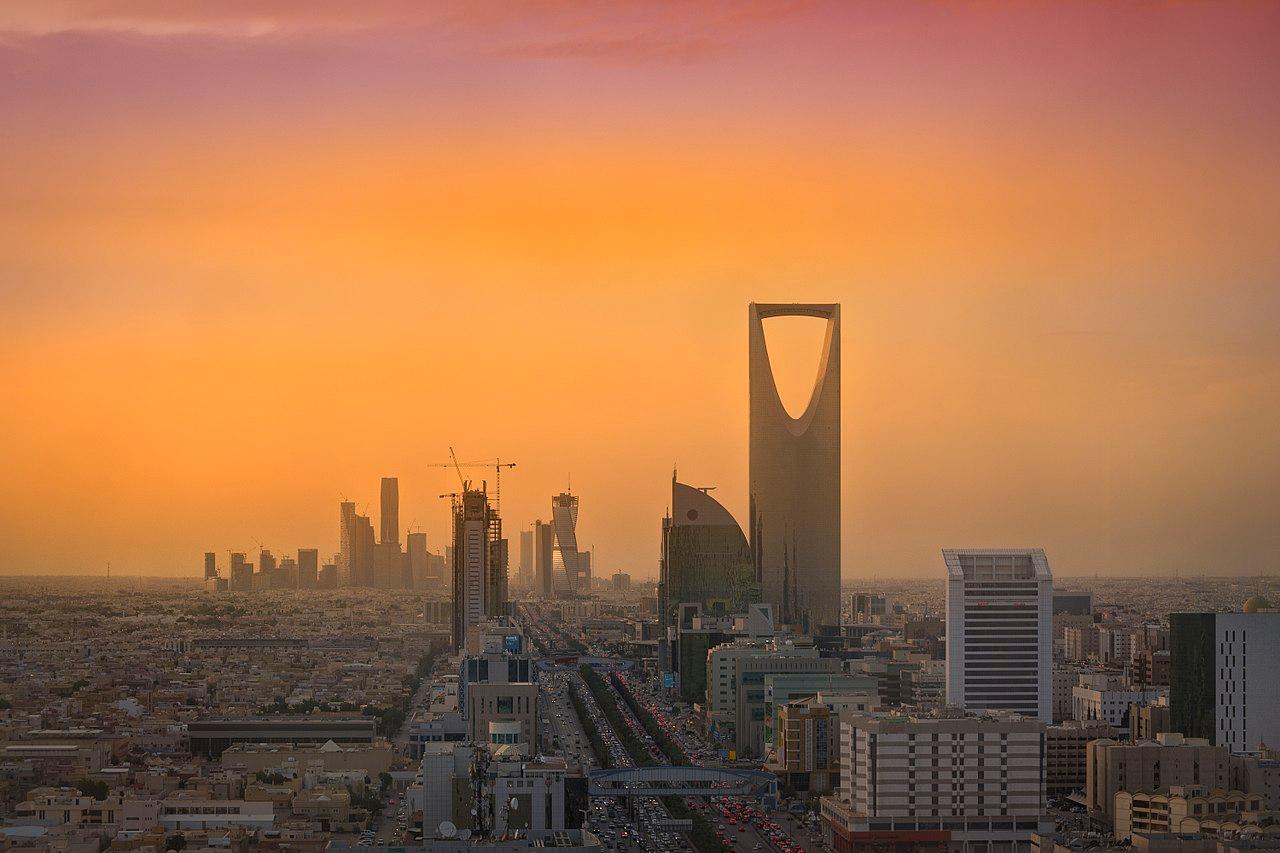
Riyadh
Riyadh is Saudi Arabia's capital, largest city, and the epicentre of Vision 2030 transformation. The city has grown from 3 million residents in 2000 to ~8 million today and is projected to reach 15-20 million by 2030 as the Crown Prince's Vision 2030 plan relocates regional HQs, expands government employment, and drives population in-migration. Residential prices in upscale districts (Al Olaya, Al Malqa, Al Narjis, Diplomatic Quarter, Hittin) command SAR 6,000-12,000 per square metre, with gross yields of 5.8-7.2%. The September 2025 5-year rent freeze (effective through September 2030, within the city's urban boundary) is the defining market feature -- it caps rental income growth at zero in real terms for new investors, a material negative driver. Capital values continue to appreciate, however, on supply tightness and Vision 2030 demand. For international buyers (post the 2025 foreign ownership law, effective January 2026), Riyadh offers first-mover access to one of the world's most ambitious capital city transformations, USD-pegged currency, and zero personal income tax. The catch: foreign ownership is only allowed in designated zones, and the rent freeze caps near-term rental yield growth.
8 min read
Neighborhood deep-dives
View all neighborhood guides →Al Khobar
Al Aqrabiyah
One of Saudi Arabia's strongest rental districts, central and amenity-rich
Al Khobar
Al Rakah
A spacious family suburb stretching from Khobar toward Dhahran
Al Khobar
Al Ulaya
Al Khobar's commercial core, where business, retail and city-centre living meet
Al Khobar
Corniche
Al Khobar's premium Gulf-front promenade of parks, cafes and upscale apartments
Al Khobar
Half Moon Bay
Al Khobar's arc-shaped beach retreat of resorts, chalets and Gulf sunsets
Dammam
Al Anoud
A central, upscale-leaning Dammam district where quality apartments meet a busy cafe culture and easy access to malls and the Corniche.
Dammam
Al Faisaliyah
An exclusive, low-density villa district in Dammam, favoured by families for privacy, space and schools
Dammam
Al Rawdah
An affluent, Corniche-adjacent Dammam district blending high-end homes with hotels, dining and commerce
How INTRIC Supports Your
Saudi Arabia Investment
INTRIC does not sell property. INTRIC helps members make better decisions before committing capital.