Property Investment Guide
Turkey
Strategic geography, deep liquidity, and currency-driven opportunity
Market Type
Liquid, currency-driven opportunity market
Risk Profile
Moderate to high
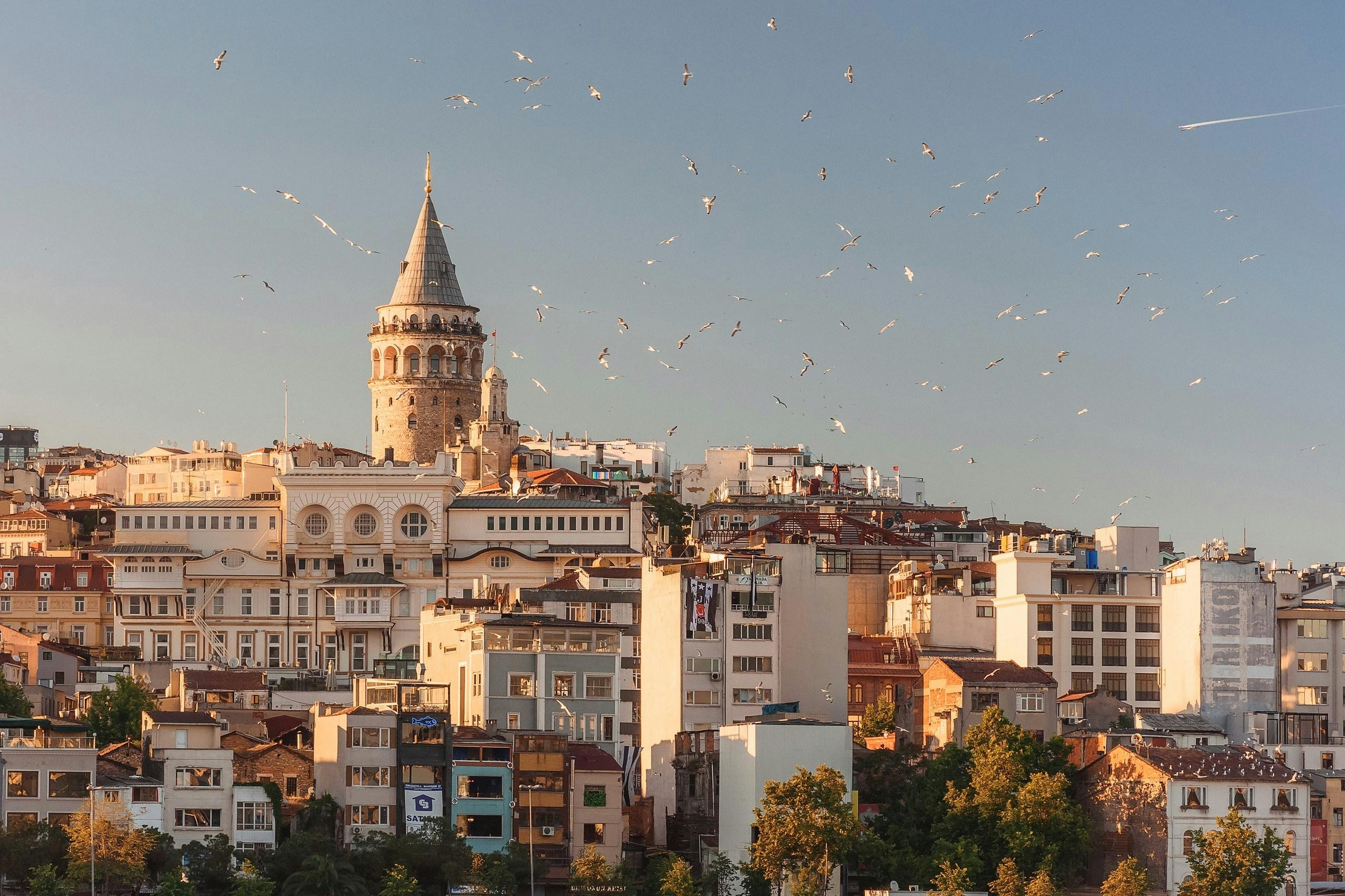
Turkey is one of the world's most liquid, domestically anchored, and internationally relevant property markets, sitting at the crossroads of Europe, the Middle East, and Asia. For global investors, Turkey is typically positioned as a high-liquidity, tactical market offering currency-driven entry opportunities, lifestyle value, and optional residency benefits.
Ideal For
- HNWIs seeking opportunistic entry points driven by FX cycles
- Family offices comfortable with macro and currency volatility
- Buyers prioritising liquidity and resale depth
- Investors combining lifestyle use with investment optionality
- Capital allocators interested in residency or citizenship pathways
Consider Carefully If
- • Ultra-conservative capital-preservation mandates
- • Investors seeking low-volatility, fixed-income-like returns
- • Purely passive strategies without market timing awareness
Why invest in Turkey?
Key factors driving global investor interest in Turkey property.
Currency-driven valuation dislocations
Turkey experiences pronounced FX cycles which compress USD and EUR property prices during downturns, create entry points below replacement cost, and attract contrarian and tactical capital. These cycles are a core feature, not a flaw, of the Turkish property market.
Deep domestic demand and liquidity
Turkey benefits from a population of over 85 million, strong household formation, and cultural preference for real estate as a store of value. This creates exceptional resale liquidity, even during volatile periods.
Citizenship and residency pathways
Turkey is globally known for accessible citizenship-by-investment programs and residency options linked to property ownership. These pathways significantly expand buyer demand and exit options.
Key Investment Locations
Prime areas attracting international property investors in Turkey.
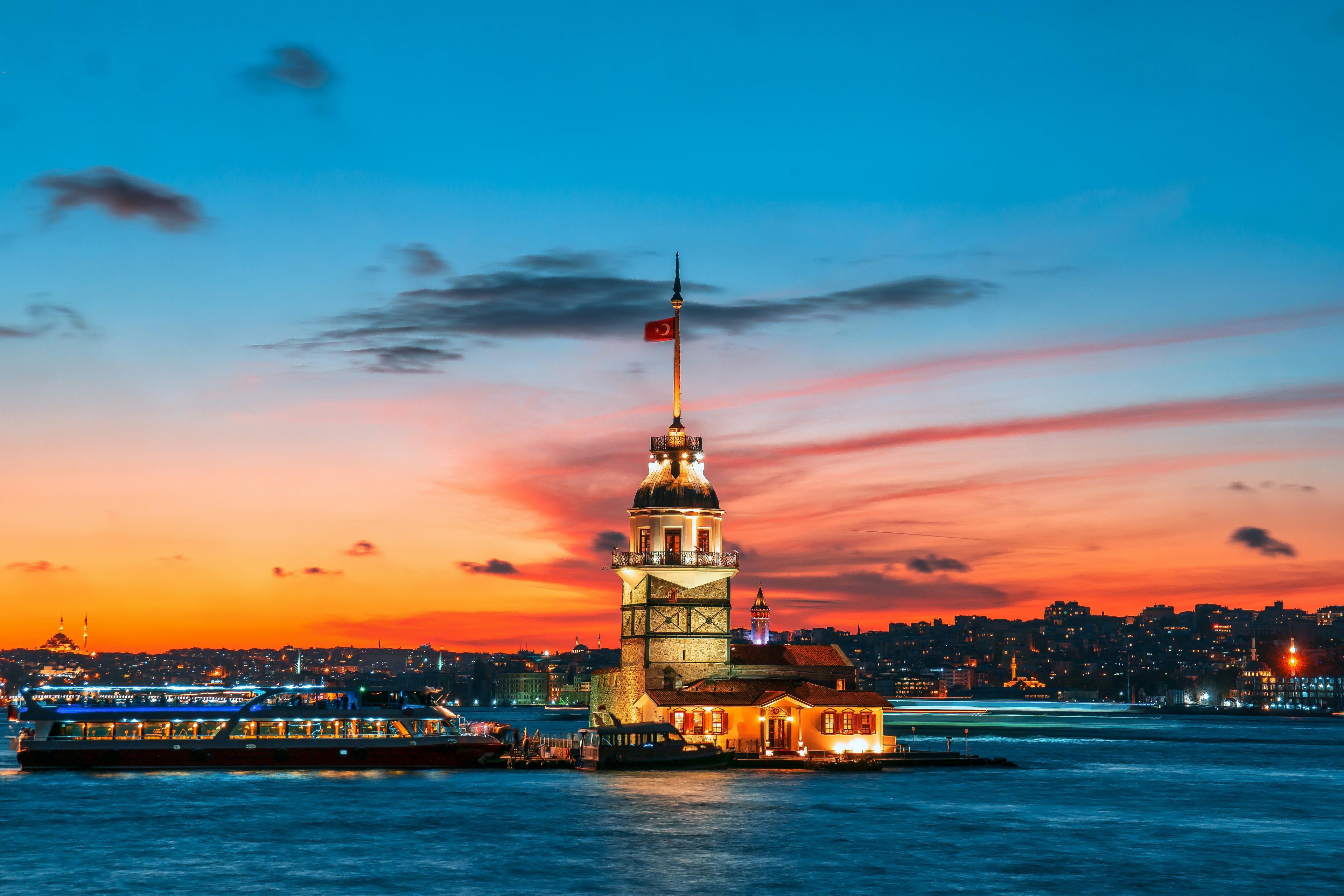
Istanbul
One of the world's largest and most dynamic cities with deep demand and strong liquidity. Key districts include Besiktas, Sisli, Kadikoy, Nisantasi, and Basaksehir.
→ Scale, liquidity, and long-term relevance
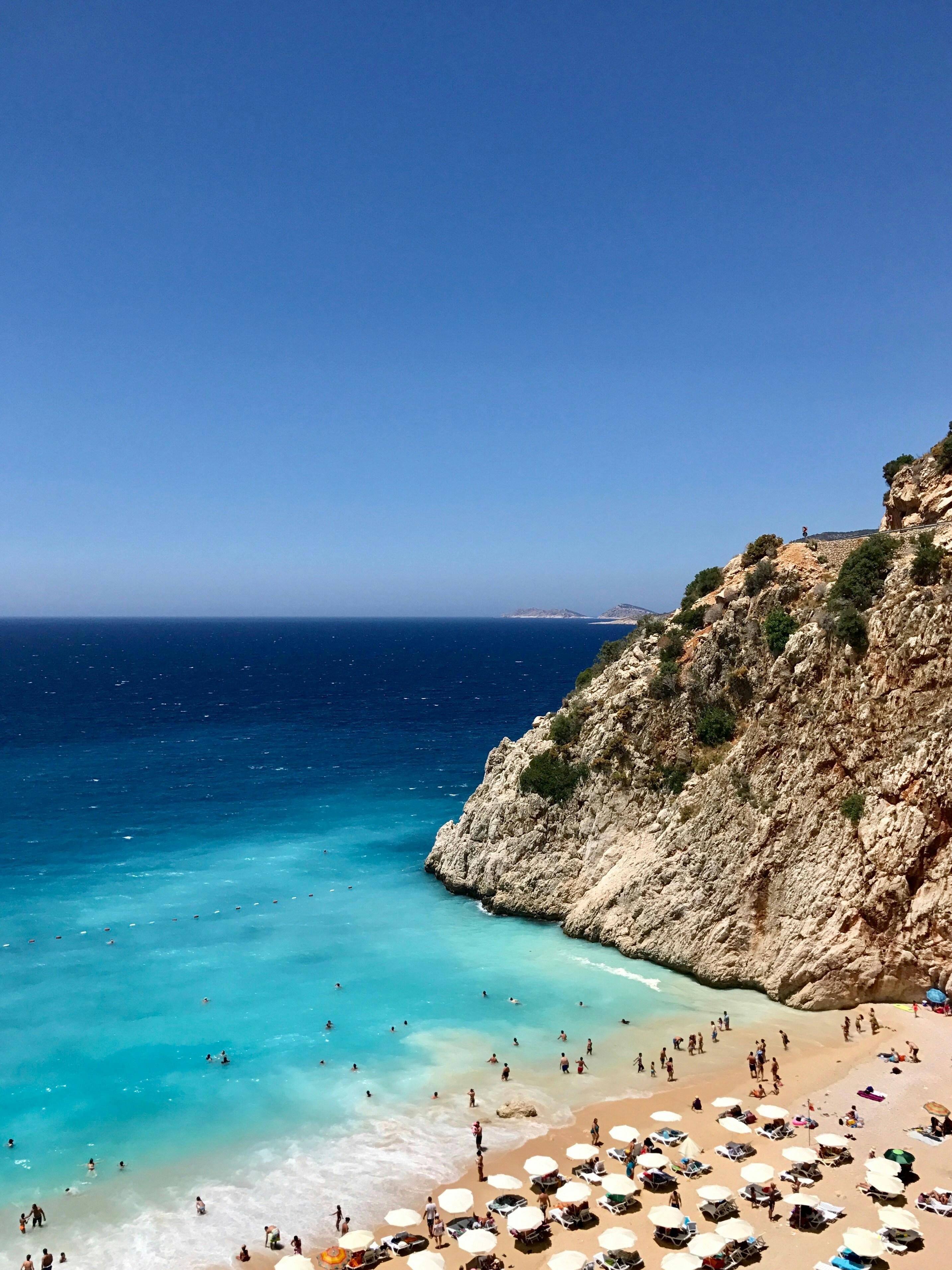
Antalya
Turkey's leading Mediterranean lifestyle market with strong tourism demand and beachfront living.
→ Lifestyle-plus-investment strategies
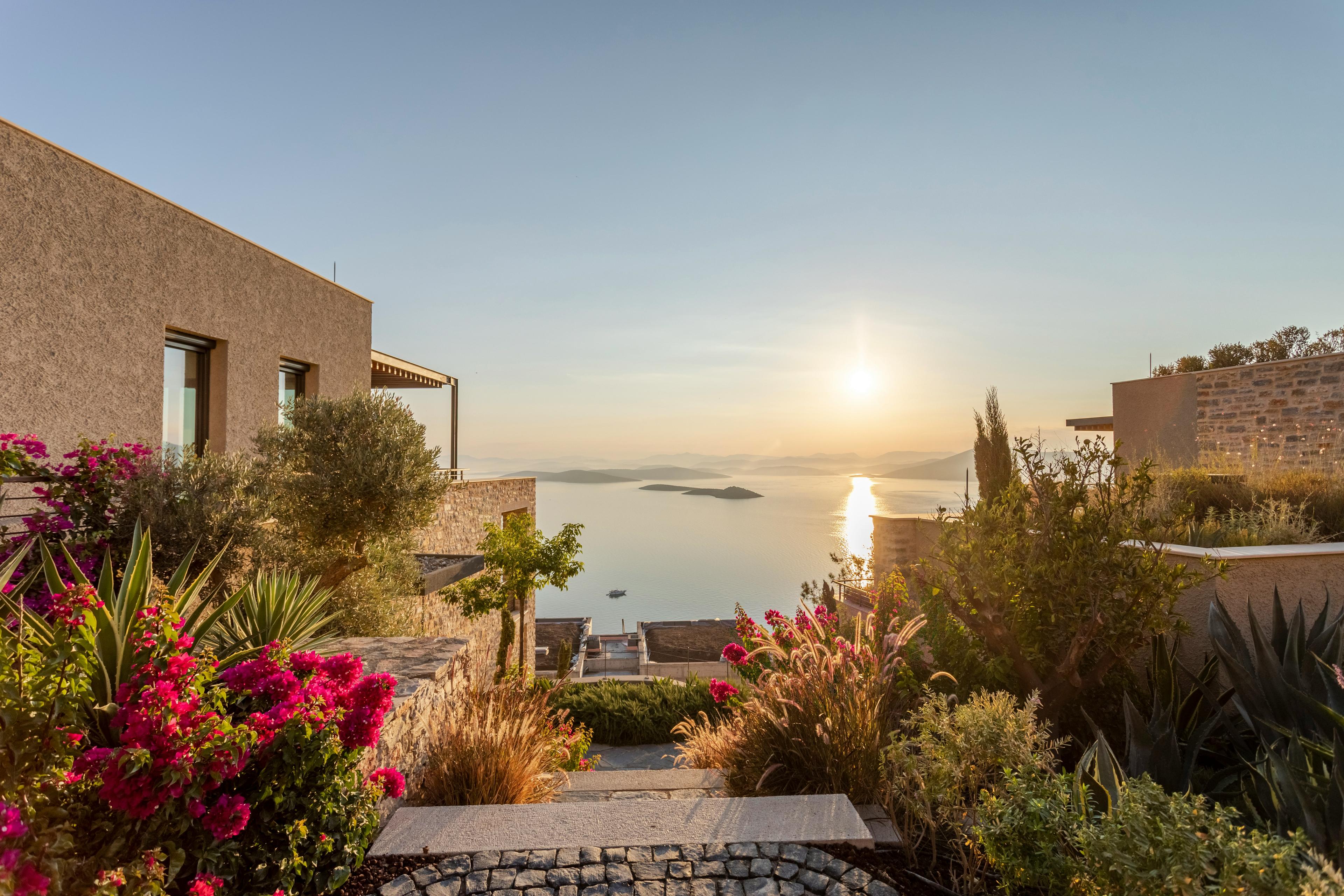
Bodrum
Turkey's most premium coastal destination with high-end villas and supply-constrained prime locations.
→ UHNW lifestyle and preservation-oriented investors
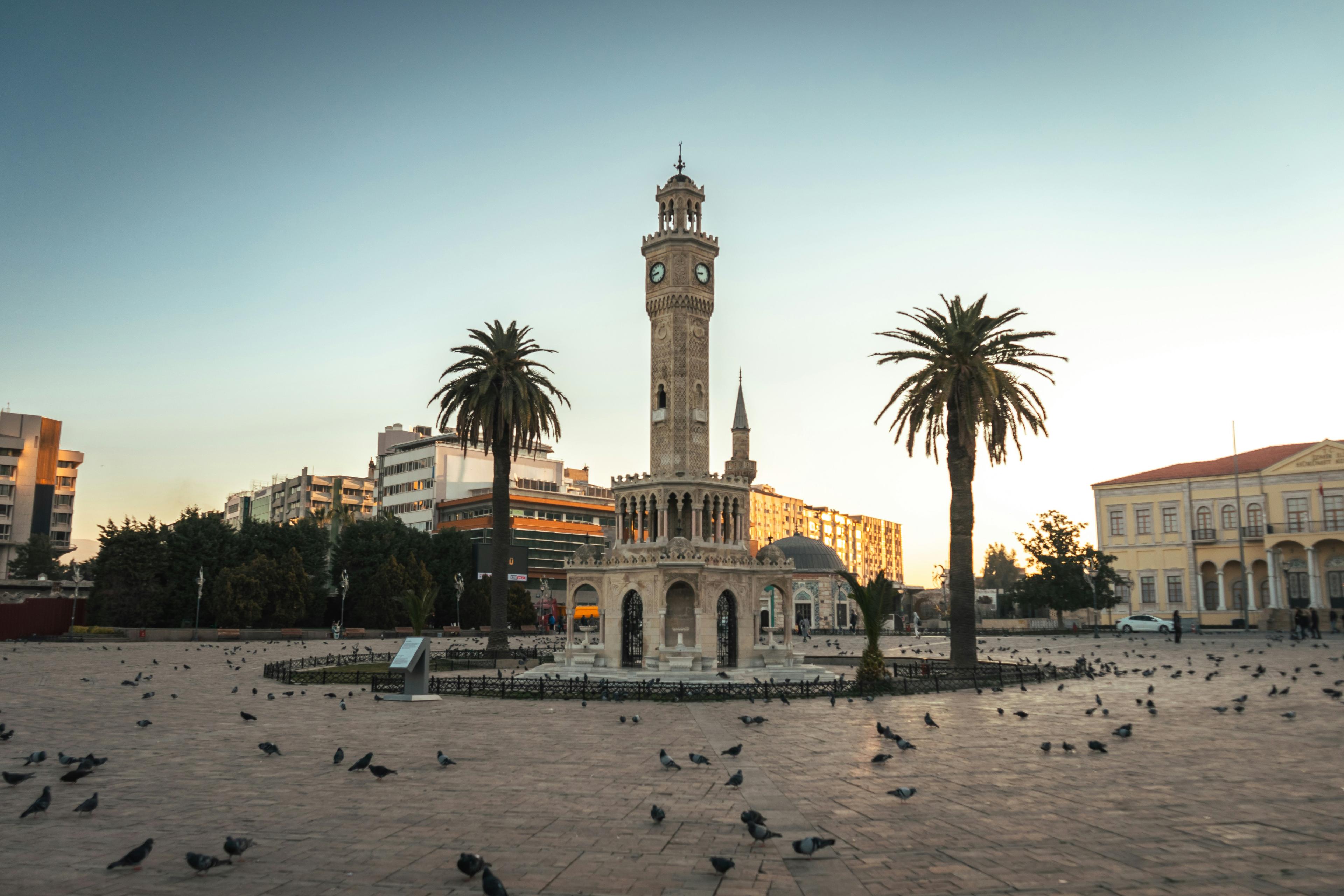
Izmir
Aegean lifestyle market with strong domestic demand and more moderate pricing than Istanbul.
→ Urban-coastal balance
Investment Strategies
Common approaches for Turkey property investment.
Currency-cycle value acquisition
Investors focus on acquiring assets during TRY weakness, prioritising prime locations and build quality, and holding through currency normalisation. Returns are driven by FX recovery and domestic price resilience.
Lifestyle and second-home ownership
Many investors acquire Turkish property for coastal and urban lifestyle use and family and generational enjoyment. Rental income is often secondary.
Citizenship-driven acquisitions
Some buyers prioritise meeting investment thresholds and liquidity and exit flexibility. This strategy requires careful compliance and project selection.
Where Capital is Flowing
- Istanbul prime districts
- Established coastal lifestyle markets
- Assets priced below hard-currency replacement cost
- Developments with strong domestic appeal
Key Considerations
- Currency volatility
- Inflation dynamics
- Regulatory and tax changes
- Importance of developer credibility
- Geopolitical perception risk
Read before you invest in Turkey
Buying process, city deep-dives, and on-the-ground neighborhood intelligence
Country buying guide
View all buying guides →
Buying Guide
Turkey Investor Guide
Citizenship-by-investment from $400,000 USD, high gross yields, and a strategic Europe-Asia gateway -- balanced against lira volatility and earthquake risk
City guides
View all city guides →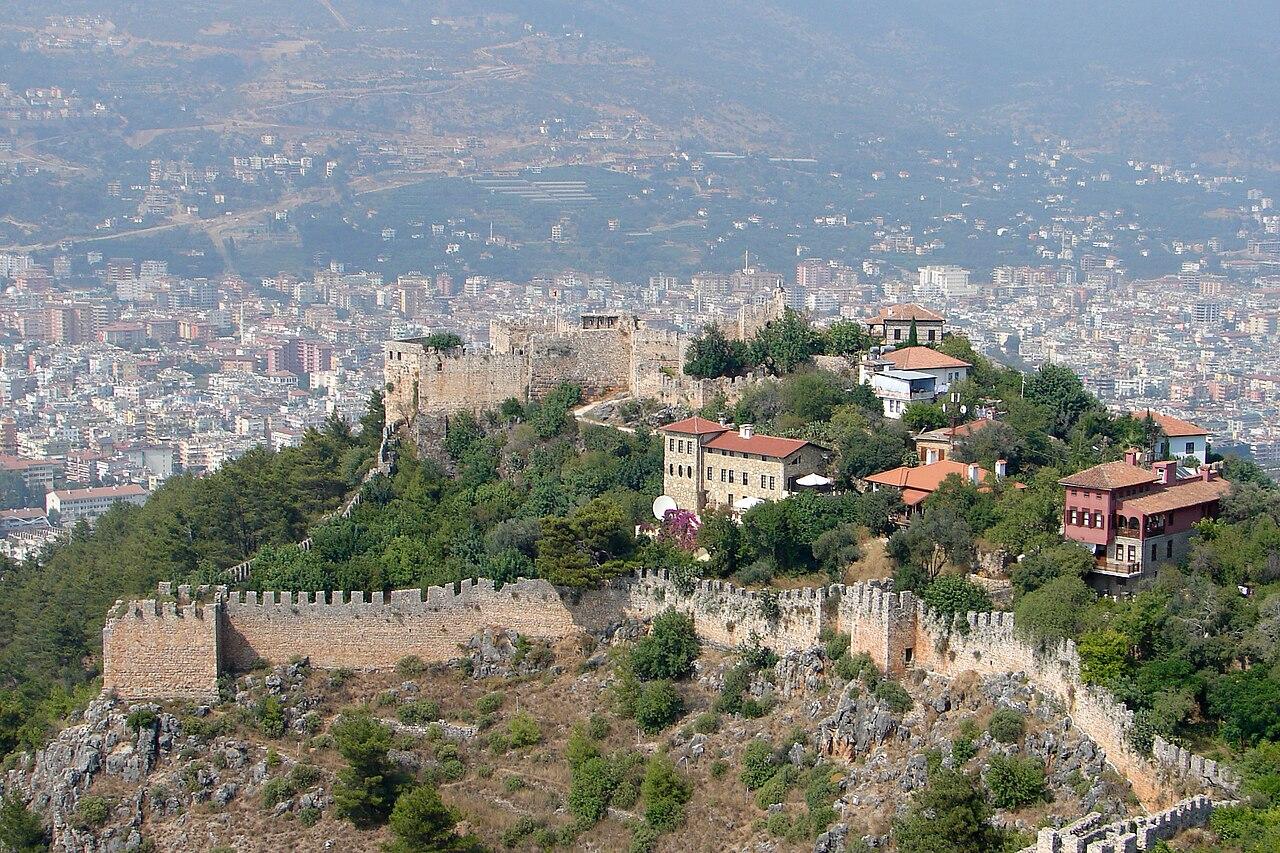
Alanya City Guide
Alanya, on Turkey's Mediterranean coast in Antalya Province, is the country's leading market for foreign property buyers, with a district population of around 372,000 and the single largest share of foreign purchases in Turkiye. Backed by the Taurus mountains and fronted by long sandy beaches including the famous Cleopatra Beach, the resort city pairs a year-round mild climate with a mature tourism economy: Alanya welcomed over 3 million visitors in 2024. The investment draw is high yield at low entry cost: resale prices average roughly 1,145-1,200 euros per square metre, central districts run 1,400-1,600 euros/m2, and premium beachfront new-builds reach 1,800-2,000-plus euros/m2, while gross rental yields are among Turkey's strongest at 7-12% on coastal properties thanks to a long tourist season. Budget-friendly Mahmutlar offers entry from 900-1,100 euros/m2 and the highest yields, while Oba and the central beach areas command premium rents. Buyers come heavily from Russia and the post-Soviet space, the Gulf, Iran, Germany and the UK, and prices are forecast to grow a moderate 5-10% in 2026 (with prime pockets higher). Investors must weigh real risks: the Turkish lira's chronic depreciation and high inflation that distort headline growth and erode real returns, heavy seasonal-tourism dependence, oversupply in some new-build corridors, and the USD 400,000 citizenship-by-investment threshold that many Alanya purchases fall below.
7 min read
Ankara City Guide
Ankara is the capital of Türkiye and the country's second-largest city — population 5.55M (city) / 5.79M (province). Located on the Anatolian Plateau, Ankara was made Turkey's capital by Atatürk in 1923, replacing Istanbul. The city combines government and diplomatic functions (Atatürk's Mausoleum, the Grand National Assembly, all foreign embassies), a strong university and research cluster (Bilkent University, METU, Hacettepe), defence-and-aerospace industry concentration, and a quietly prosperous administrative-and-professional resident base. Average property prices ~₺29,700/m² (~$815 USD/m²); main areas $900-$1,000/m². Çankaya is the premium government-and-embassy district. Gross rental yields run 8.29% city average — Turkey's highest among major cities (Istanbul 7.30%, Antalya 5.73%, Izmir 7.10%). USD-equivalent appreciation +30% over 2023-2025.
10 min read
Antalya City Guide
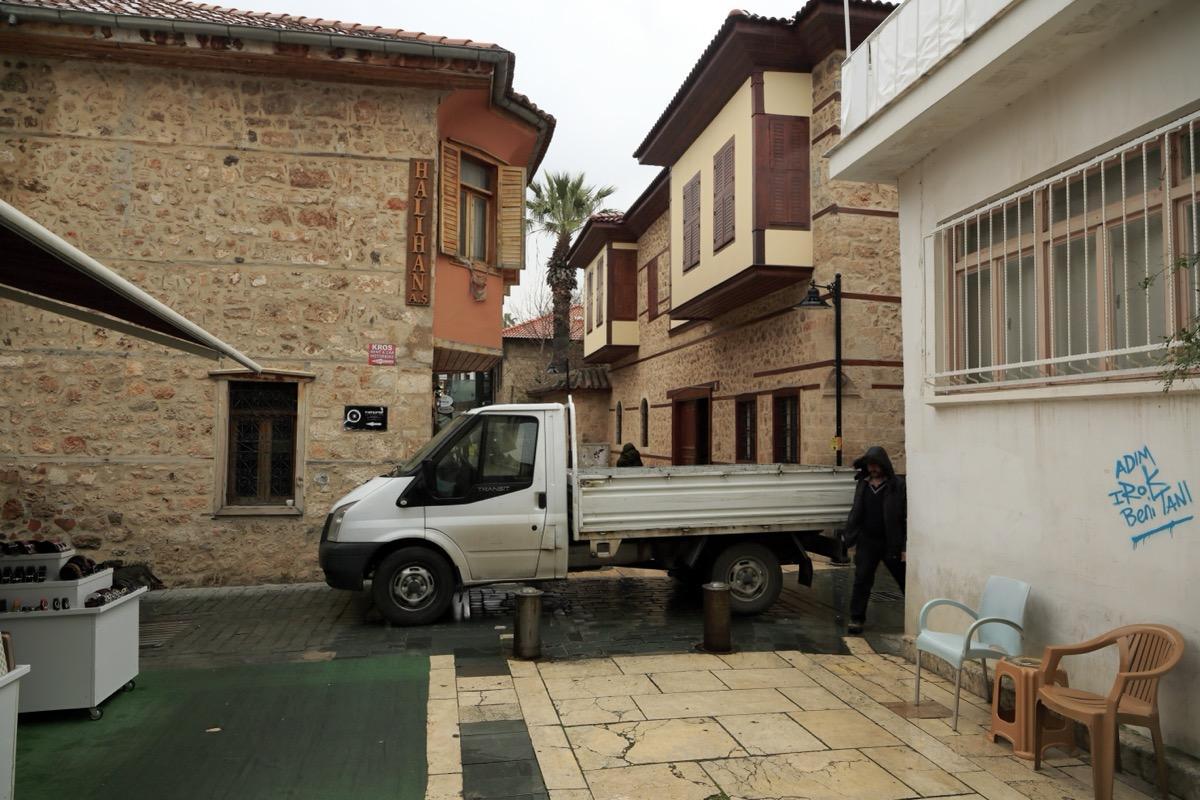
Antalya is Turkey's Mediterranean coastal capital — the country's premier tourism city (16+ million international visitors annually, top-10 globally) and the most-popular foreign-buyer destination outside Istanbul. The city stretches roughly 50 km along the Turkish Riviera (Türk Rivierası), anchored by Konyaaltı Beach (city centre west), Lara Beach (city centre east, premium villas), the Kaleiçi old town (Ottoman heritage), and the surrounding Belek + Kemer + Side resort coast. Population 2.6M (city) / 2.7M (province). Average property prices ₺36,000-42,000/m² (~$1,000-$1,200 USD/m²); Konyaaltı and Lara coastal premium with +12-15% annual growth. Gross rental yields 6-8% standard, up to 10% for premium short-let; tourism-driven seasonality. Foreign buyers — Russian, German, Iranian, Iraqi, British, Northern European — dominate the coastal segment, with Turkey's $400K CBI applicable in higher-end developments.
10 min read
Bodrum City Guide
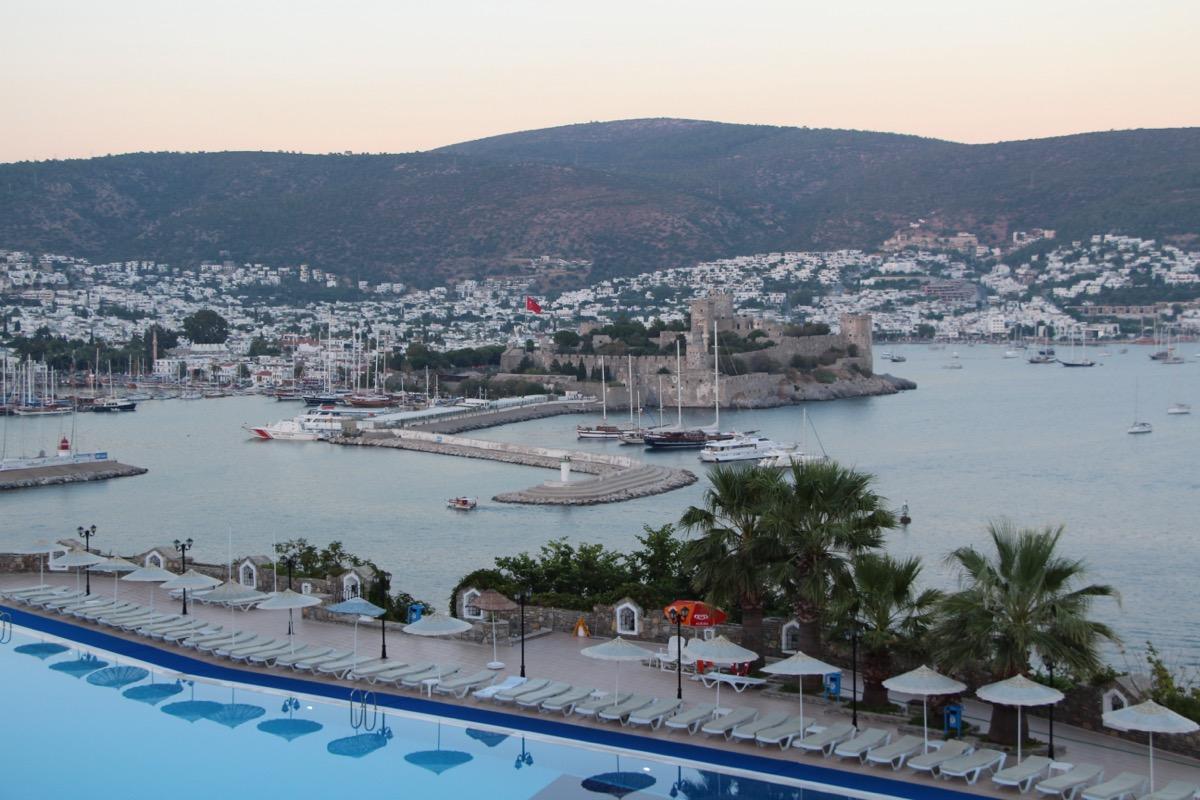
Bodrum is Turkey's most-prestigious coastal luxury destination — situated on the Bodrum Peninsula (the ancient Halicarnassus, site of one of the Seven Wonders) on the Aegean Sea opposite the Greek island of Kos. The peninsula combines ancient heritage (the Castle of St. Peter built by the Knights Hospitaller, Mausoleum of Halicarnassus archaeological site) with ultra-luxury villa estates, super-yacht marinas (Yalıkavak Marina hosts the largest in the Aegean), and a constellation of distinctive coastal villages — Yalıkavak, Türkbükü, Göltürkbükü, Gümüşlük, Bitez, Ortakent, Türgütreis. Average prices reached ₺220,000/m² (~$6,300 USD/m²) in 2025 — Turkey's most-expensive coastal property market. Luxury villas range €500K-€3M+ for mainstream stock, €2M-€15M for premium and ultra-prime. Bodrum accounts for over 30% of Turkey's high-end coastal property transactions. Foreign-buyer composition: British, German, Russian, Italian, plus growing Gulf-state + Asian.
10 min read
Fethiye City Guide
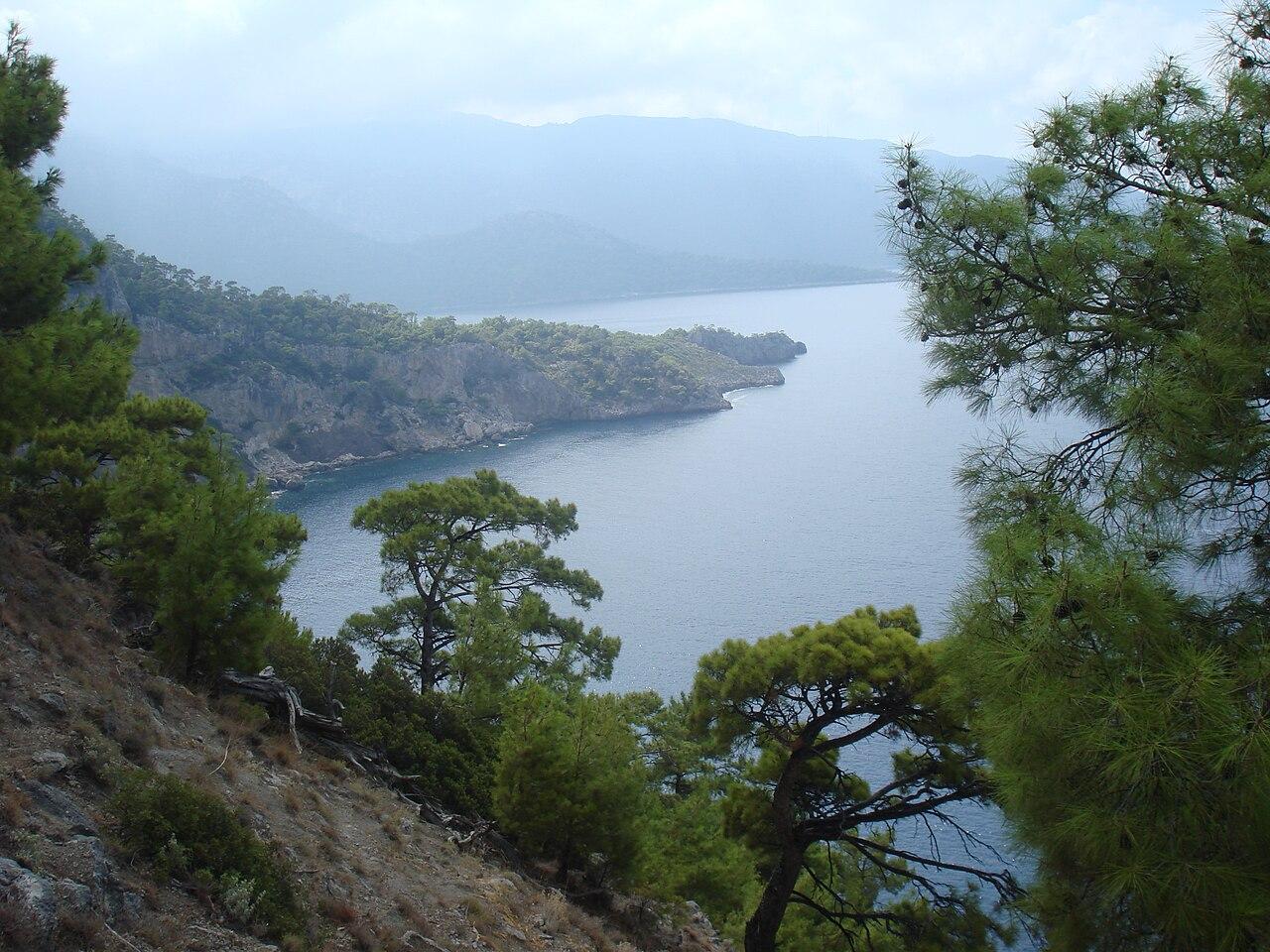
Fethiye, on Turkey's southwestern Turquoise Coast in Mugla Province, is one of the country's most established international holiday-home markets. Set around a natural harbour and famed for the lagoon of Oludeniz and the Lycian Way trail, the resort town draws a large, loyal foreign-buyer base: Britons make up the biggest contingent (with several thousand now permanent residents), followed by Germans, Dutch and Russians. The market is driven by lifestyle and rental yield rather than urban fundamentals: holiday properties typically return 6-10% gross, with beachfront apartments near Calis and Ovacik generating 6-8% on strong seasonal demand and central buy-to-lets achieving 5-7%. Entry points remain accessible by European standards: two-bedroom apartments around Calis Beach from roughly 60,000 euros and three-to-four-bedroom villas in Ovacik with Oludeniz views from around 150,000 euros. Property demand rose about 12% in 2025 and prices have been growing strongly, though much of Turkey's headline appreciation is inflated by very high domestic inflation. The market is served by Dalaman International Airport and a modern marina. Investors must weigh substantial risks: the Turkish lira's persistent depreciation and high inflation (which erode real local-currency gains), heavy reliance on seasonal tourism, and the 2022 increase of the citizenship-by-investment threshold to USD 400,000 (meaning many Fethiye purchases sit below the residency or citizenship line).
7 min read
Istanbul City Guide
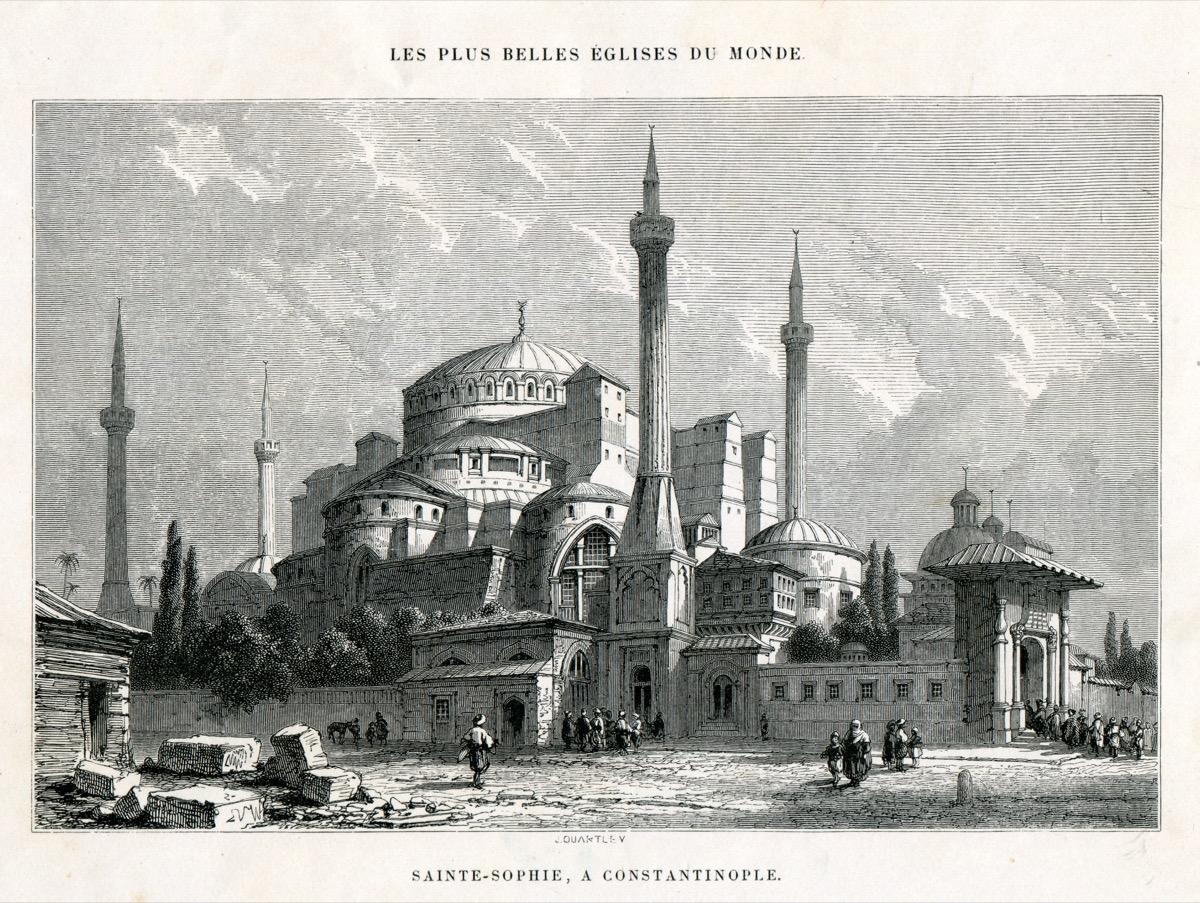
Istanbul is Europe's largest city by population (15M+) and Turkey's economic, cultural, and tourism capital — straddling the Bosphorus across two continents. The city's 39 districts span from the historic UNESCO-listed Sultanahmet peninsula to the European-side prime markets of Beşiktaş, Şişli, and Sarıyer, the Asian-side urban heart of Kadıköy, and the growing peripheral districts of Başakşehir and Beylikdüzü. Average apartment prices ran ₺55,500-58,940/m² mid-to-late 2025 (~$1,520 USD/m²) per Hepsiemlak data, with premium Beşiktaş/Kadıköy projects at ₺150,000-200,000/m². Gross rental yields average 7.24% across the city. Istanbul is the focal point of Turkey's $400K Citizenship-by-Investment programme — one of the few CBI programmes remaining globally after the 2025 EU closures (Malta MEIN abolished April 2025, Cyprus CIP abolished 2020). The city grew by 420,000 residents in 2024 alone, including 150,000 foreigners (primarily Russian, Iranian, CIS, Gulf-state).
10 min read
Neighborhood deep-dives
View all neighborhood guides →Alanya
Mahmutlar
Alanya's expat-favourite high-rise beach belt east of the centre, with affordable sea-view apartments.
Alanya
Oba
A greener residential district just east of Alanya centre, popular with families and year-round residents.
Ankara
Bahçelievler
A classic, tree-lined established residential district where the 7. Cadde café strip, mature streets and Ankaray access make for walkable family living at mid-premium prices.
Ankara
Gaziosmanpaşa (GOP)
Ankara's refined diplomatic quarter, where elegant embassy-lined streets, top dining and Kuğulu Park anchor the capital's most sought-after premium long-let market.
Ankara
Kızılay
Ankara's central commercial and transit nerve-centre, where the Metro/Ankaray interchange, government offices and Sakarya's meyhane lanes drive the capital's busiest, most rentable street life.
Ankara
Oran
Modern, secure gated living in upscale Çankaya, with panoramic-view complexes favoured by government officials and families and easy access to Panora and Armada malls.
Ankara
Çankaya
Ankara's upscale embassy district, where Anıtkabir, Kuğulu Park and the Tunalı Hilmi café scene anchor the capital's most prestigious, lowest-vacancy residential market.
Antalya
Kaleiçi (Old Town)
Antalya's walled Ottoman-Roman old town, cobblestone lanes, a Roman harbour and boutique hotels wrapped around Hadrian's Gate.
How INTRIC Supports Your
Turkey Investment
INTRIC does not sell property. INTRIC helps members make better decisions before committing capital.