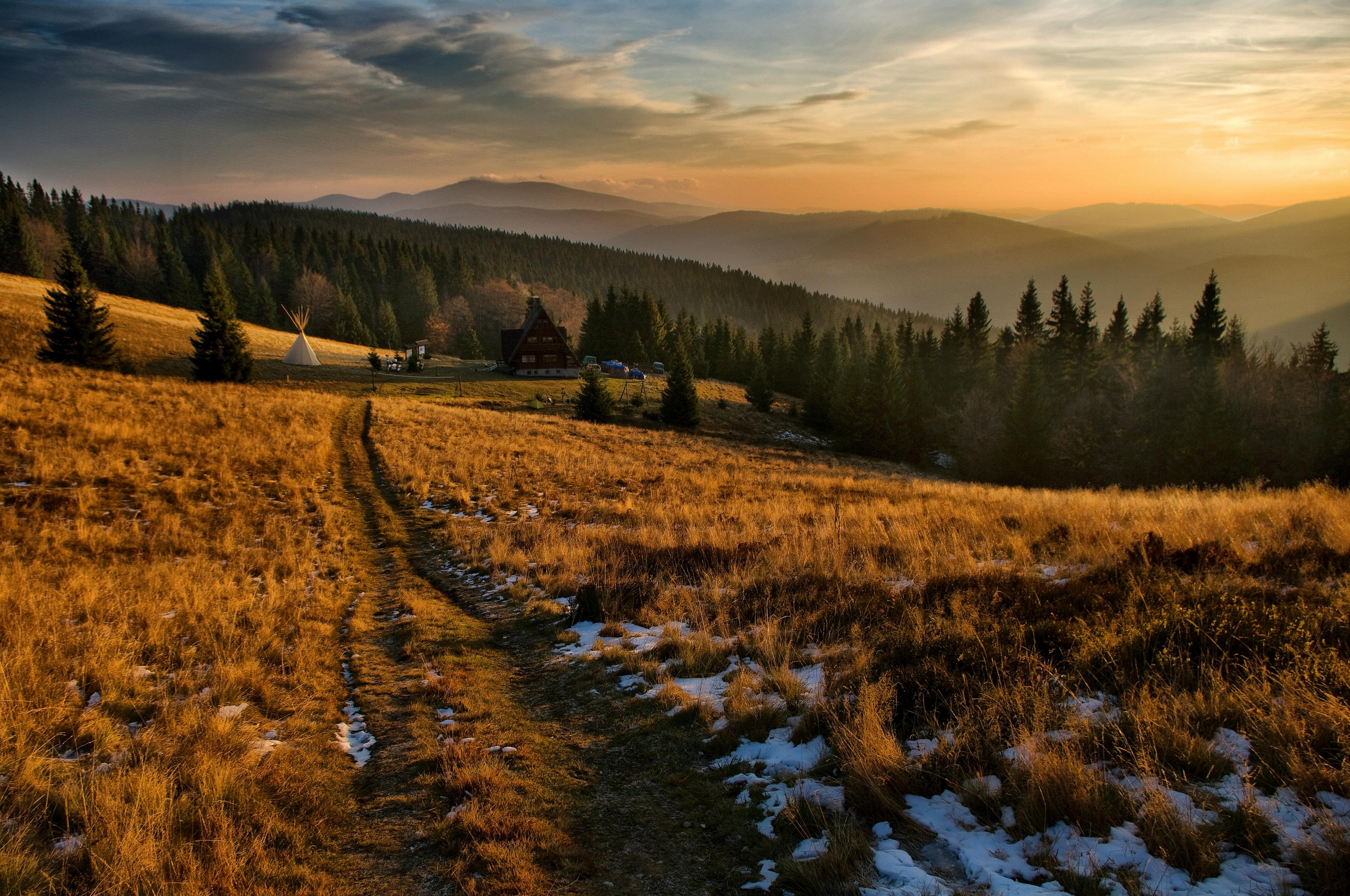
Property Investment Guide
Poland
Economic resilience, EU stability, and Central European growth
Market Type
EU growth and income market
Risk Profile
Low to moderate
Poland has emerged as Central Europe's most robust and investable property market, underpinned by strong domestic demand, EU membership, diversified economic growth, and a rapidly professionalising real estate sector. For global investors, Poland is typically positioned as a yield-plus-growth European market, offering a balance between income, appreciation, and liquidity.
Ideal For
- HNWIs seeking EU exposure with better yields than Western Europe
- Family offices allocating to resilient, domestic-demand-led markets
- Investors diversifying beyond mature Western European cities
- Buyers focused on long-term rental income and capital growth
- Capital allocators comfortable with urban, working-city dynamics
Consider Carefully If
- • Purely lifestyle-driven second-home strategies
- • Ultra-low-risk capital-preservation mandates
- • Investors seeking trophy or resort-style assets
Why invest in Poland?
Key factors driving global investor interest in Poland property.
Strong domestic demand and economic fundamentals
Poland benefits from a large internal market, rising household incomes, sustained employment growth, and continued urban migration. This creates structural demand for housing, largely independent of tourism or foreign buyer cycles.
Housing undersupply in major cities
Despite significant development, Poland still faces housing shortages in key urban centres and growing rental demand from young professionals and families. This undersupply supports rental growth and long-term value appreciation.
EU membership with relative value
As an EU member state, Poland offers regulatory certainty, strong property rights, and access to EU capital and labour mobility. At the same time, pricing remains significantly below Western European peers, creating a value gap.
Key Investment Locations
Prime areas attracting international property investors in Poland.
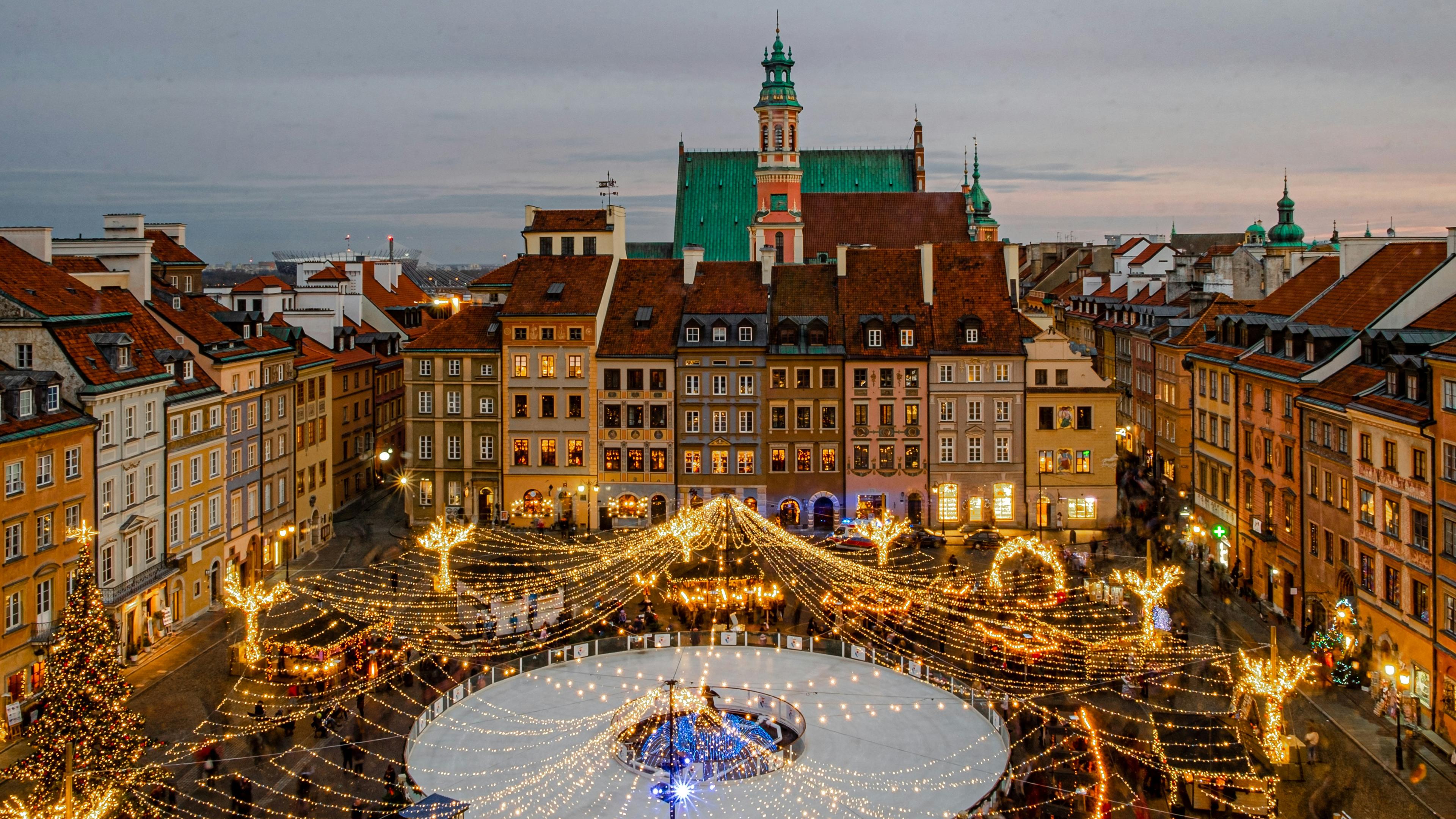
Warsaw
Poland's political, financial, and economic centre with deep employment base and improving transport infrastructure.
→ Liquidity, rental depth, and long-term urban growth
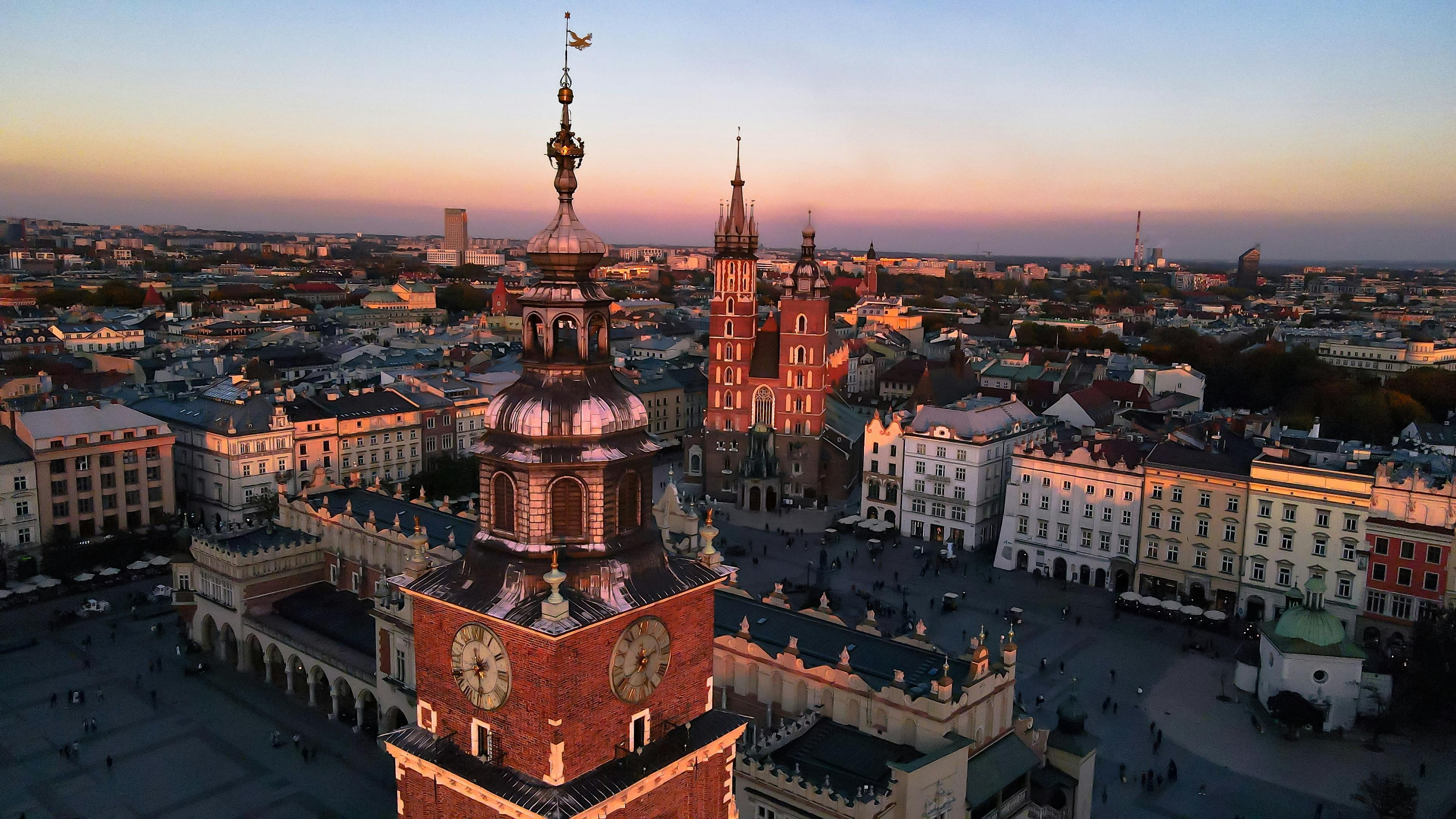
Krakow
One of Poland's most dynamic secondary cities with strong technology and services sectors and large student population.
→ Rental-focused strategies with demographic support
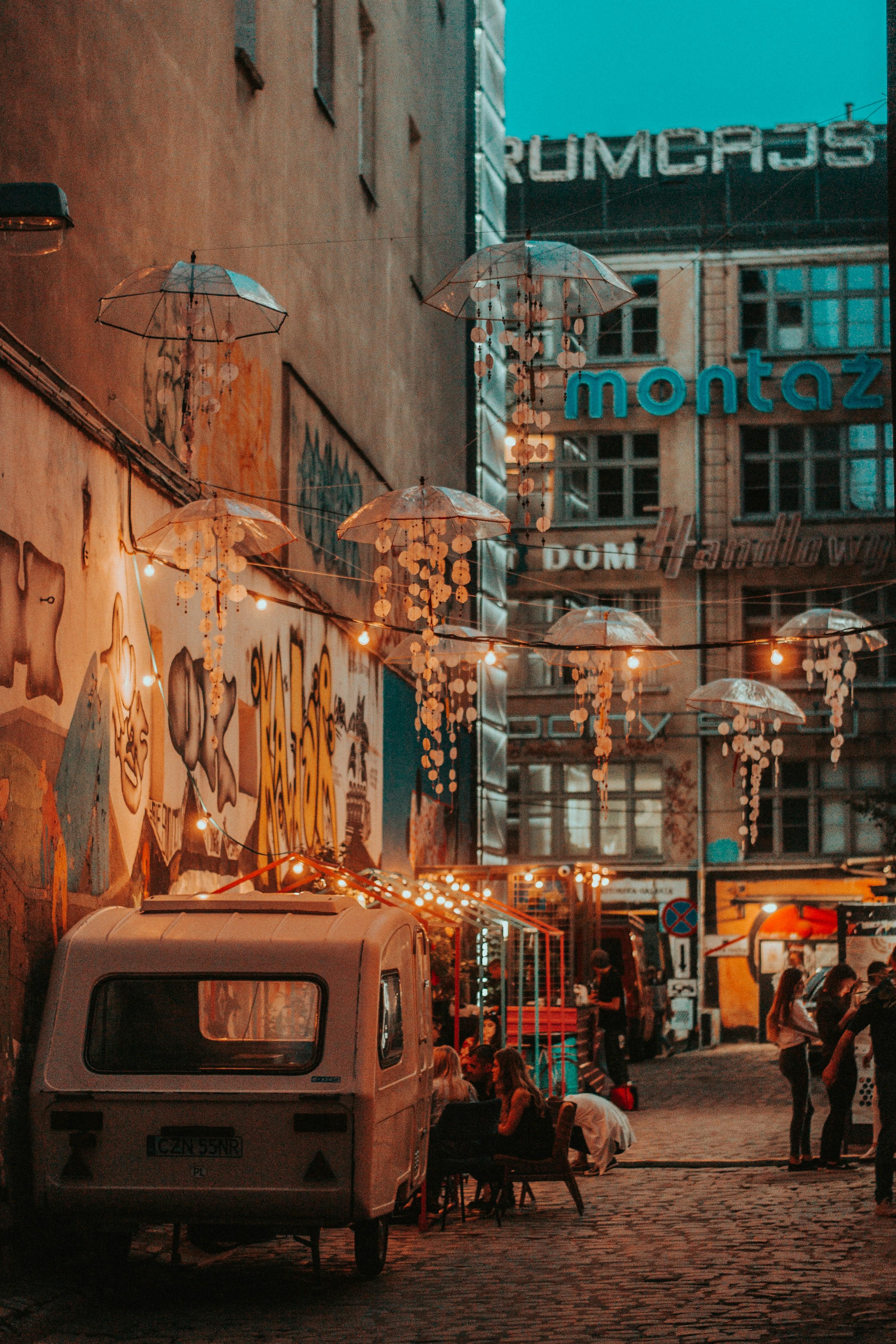
Wroclaw
Known for technology and engineering industries with young, educated population and rapid urban development.
→ Growth and rental demand
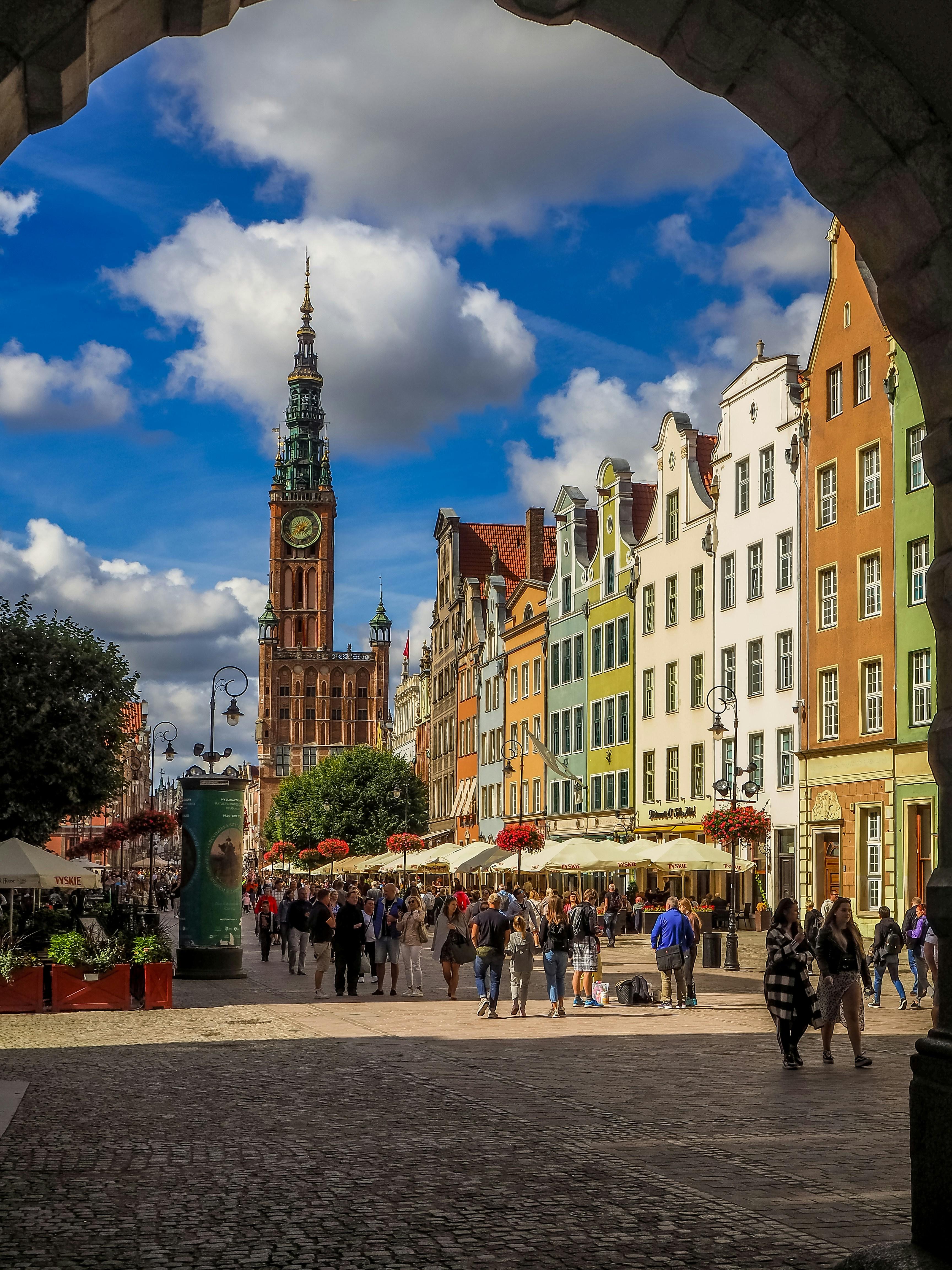
Gdansk & Tri-City
The Tri-City region (Gdansk, Gdynia, Sopot) offers coastal location, diversified economy, and growing residential demand.
→ Urban-coastal diversification
Investment Strategies
Common approaches for Poland property investment.
Buy-to-rent residential property
Investors focus on apartments in major cities, proximity to employment hubs and universities, and professionally managed units. Returns are driven by stable rental income and gradual appreciation.
Urban regeneration and infill development
Some investors target regeneration districts and modernisation of older housing stock. These strategies require local insight but can unlock value.
Long-term EU growth allocation
Poland is often used as a Central and Eastern Europe (CEE) growth anchor and a diversification play within EU portfolios.
Where Capital is Flowing
- Major cities with diversified economies
- Areas with transport and infrastructure investment
- Properties aligned with long-term rental demand
- Assets attractive to domestic end-users
Key Considerations
- Interest rate sensitivity in mortgage markets
- Regulatory and tax evolution
- Local market segmentation
- Currency exposure for non-EUR investors
Read before you invest in Poland
Buying process, city deep-dives, and on-the-ground neighborhood intelligence
Country buying guide
View all buying guides →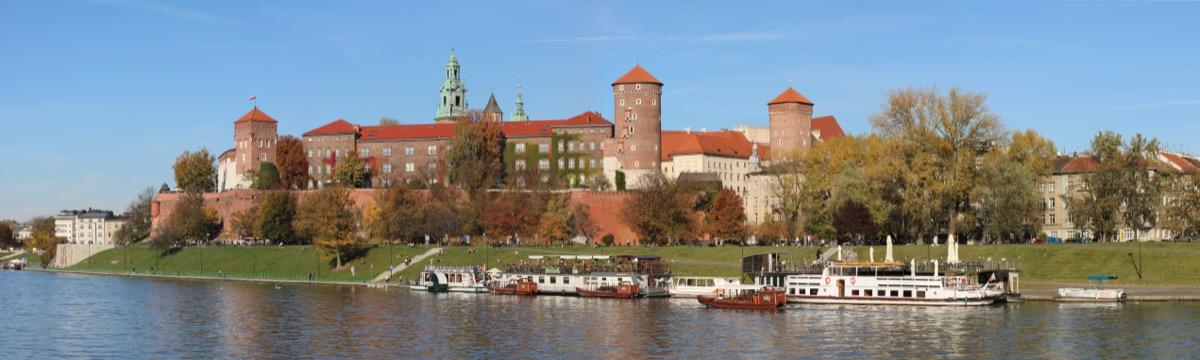
Buying Guide
Poland Investor Guide
Navigate Poland's high-growth EU market -- one of Europe's fastest-growing economies, strong urban rental demand, and unrestricted apartment ownership for all nationalities
City guides
View all city guides →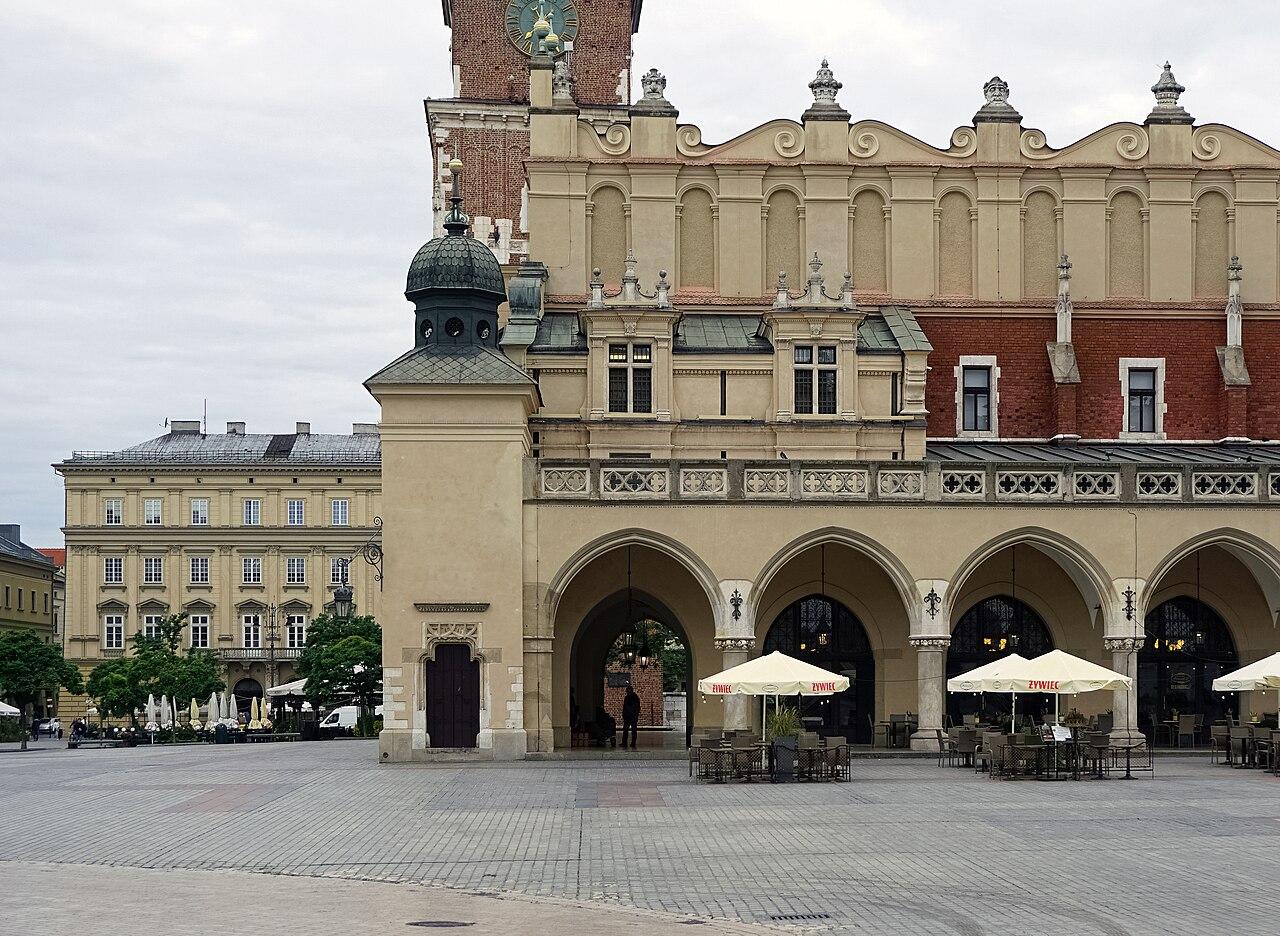
Kraków City Guide
Kraków is Poland's second-largest city (~804,000 in the city, ~1.43 million metro) and the historic royal capital. Its medieval Old Town, anchored by the vast Rynek Główny (Europe's largest medieval market square) and Wawel Royal Castle, was inscribed on the UNESCO World Heritage List in 1978, among the world's first twelve sites. Heritage tourism is a defining economic force: Kraków drew roughly 7–9 million visitors a year in 2023–2024, sustaining one of Central Europe's deepest short-term-rental and hospitality markets. Beyond tourism, Kraków is a major technology, BPO and shared-services hub, frequently ranked among Europe's top outsourcing destinations, with 84,500+ IT professionals and operations for IBM, Google, Cisco, Ericsson and others. This is underpinned by a huge student population: ~23 higher-education institutions and roughly 130,000–150,000 students, led by the Jagiellonian University (founded 1364, Poland's oldest) and AGH University. For investors, Kraków combines the demand-side strengths of a top tourist city, a deep graduate/young-professional rental pool, and a constrained, heritage-protected central housing supply. It is Poland's 2nd-priciest residential market after Warsaw, and prices are quoted in PLN, currency risk vs the euro is a real consideration. Non-EU buyers can purchase standalone apartments without a permit (only land/houses need an MSWiA permit), and Poland has no golden visa, buying property grants no residency.
8 min read
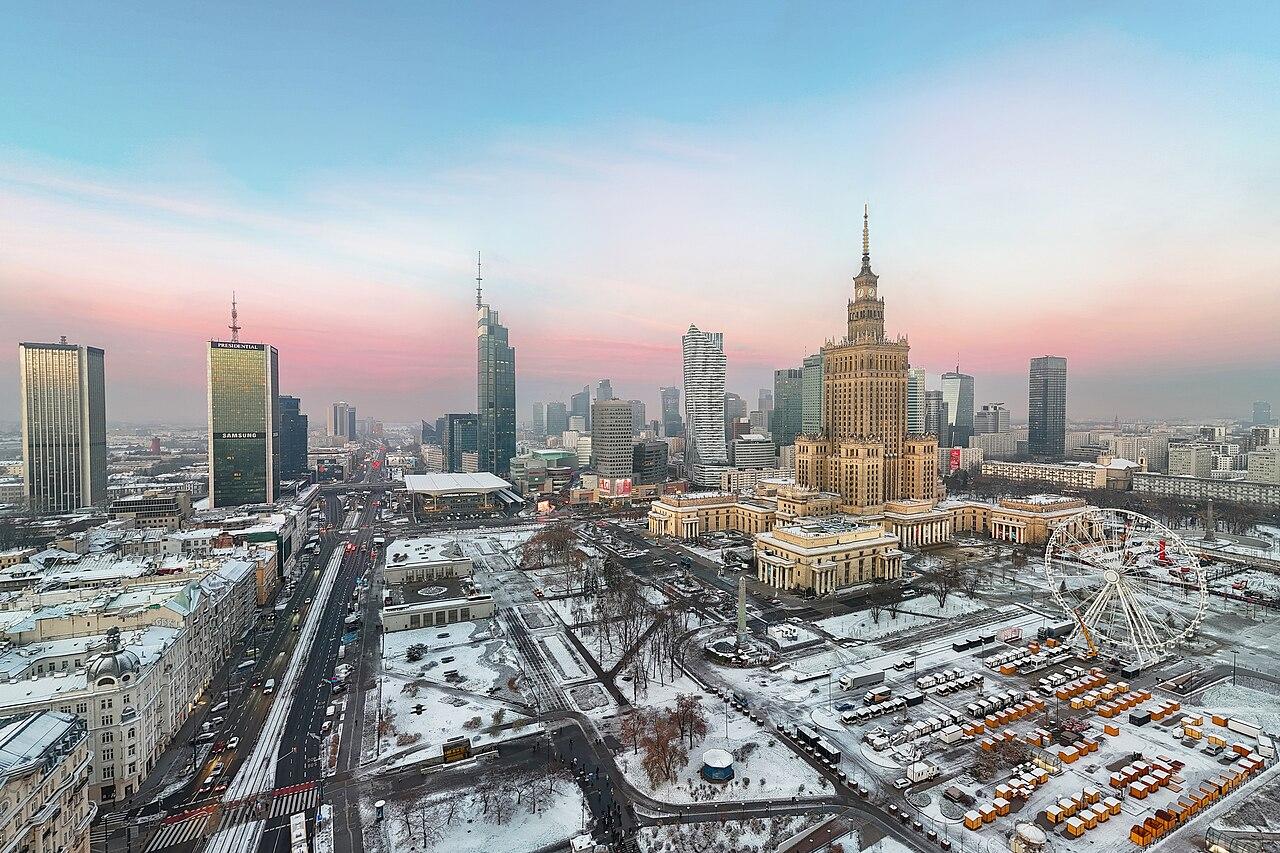
Warsaw City Guide
Warsaw is Central and Eastern Europe's most liquid and dynamic property market, anchored by Poland's standing as one of the EU's strongest-growing major economies. As the capital of a ~38-million-person nation that has avoided recession for three decades, the city combines deep domestic demand, a fast-expanding services and tech sector, and a maturing institutional investment scene. Residential prices have risen sharply since 2020 but remain well below Western European capitals, roughly €4,000–4,800/m² citywide versus €10,000+ in Paris or London, leaving room for the 'economic convergence' thesis that values and rents rise faster here than in mature markets. The market entered a stabilisation phase in 2025 after several years of double-digit growth: Q1 2025 resale prices averaged ~16,460 PLN/m² (+8.1% YoY), while the broader seven-city market cooled to roughly flat YoY by Q3 2025 as affordability and the end of subsidised-mortgage schemes tempered demand. Gross rental yields remain attractive by EU-capital standards at roughly 5–6.5%, supported by a structural rental shortage and strong student/expat demand. For foreign investors, Warsaw's appeal is reinforced by an open ownership regime, non-EU buyers can purchase standalone apartments with no permit, low transaction friction (2% transfer tax on resale), and a value gap against Western Europe. The main risks are PLN currency exposure, the recent cooling in price momentum, and a national short-term-rental registration regime taking effect from May 2026.
8 min read
Neighborhood deep-dives
View all neighborhood guides →Kraków
Grzegórzki
High-energy district hugging the Old Town, Kraków's fastest-appreciating market, packed with students, professionals and new development
Kraków
Kazimierz (Jewish Quarter)
Kraków's bohemian Jewish quarter, heritage, art and the city's best bar scene in a compact, walkable grid
Kraków
Podgórze
Regenerating riverside district, post-industrial cool, Schindler's Factory and MOCAK, at well-below-Old-Town prices
Kraków
Stare Miasto (Old Town)
Poland's most prestigious medieval address, pedestrian, tourist-saturated and premium-priced
Kraków
Zwierzyniec / Salwator
Kraków's greenest, most exclusive address, villas and period flats beside Błonia, Las Wolski and the Kościuszko Mound
Warsaw
Mokotów
Warsaw's leafy, diplomatic heartland, established villas and modern blocks wrapped in parks, with prestigious shopping and strong metro access
Warsaw
Wilanów
Warsaw's polished family district, a planned upmarket town beside a baroque royal palace, built for buggies, bikes and international schools
Warsaw
Wola
Warsaw's new central business district, a fast-rising forest of towers and post-industrial food halls where work and modern city living converge
How INTRIC Supports Your
Poland Investment
INTRIC does not sell property. INTRIC helps members make better decisions before committing capital.