Property Investment Guide
France
Global lifestyle appeal, capital preservation, and enduring demand
Market Type
Core, preservation-led European market
Risk Profile
Low
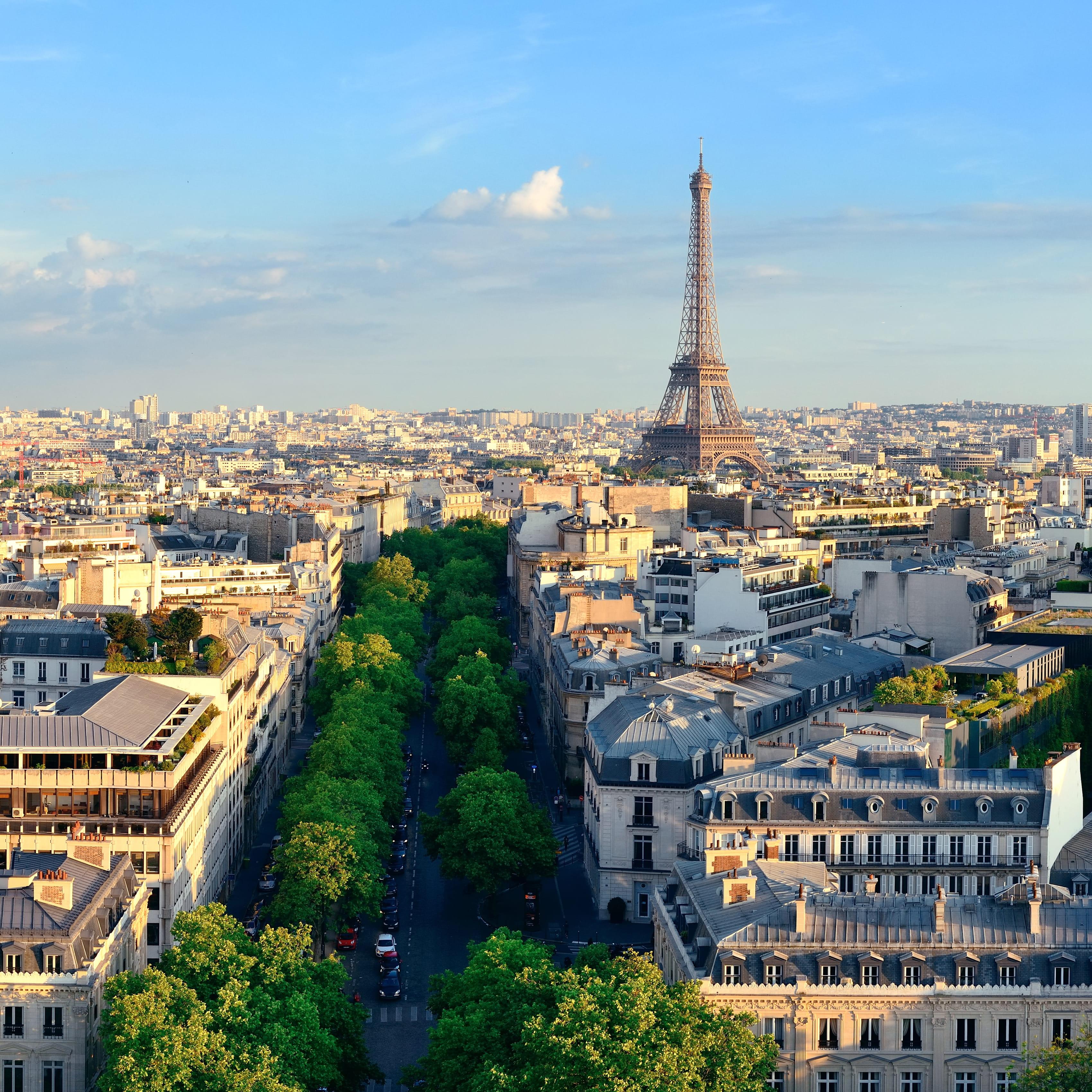
France is one of the world's most established and institutionally trusted property markets, combining deep liquidity, strong legal protections, global lifestyle appeal, and multi-generational capital preservation. For global investors, France is typically positioned as a core, low-volatility real-asset allocation, offering stability, lifestyle optionality, and long-term value retention.
Ideal For
- HNWIs and UHNWIs seeking capital preservation
- Family offices allocating to core European assets
- Buyers acquiring generational or legacy properties
- Investors combining lifestyle use with long-term holding
- Capital allocators prioritising liquidity and jurisdictional safety
Consider Carefully If
- • High-yield or short-term trading strategies
- • Investors seeking rapid capital appreciation
- • Purely speculative development plays
Why invest in France?
Key factors driving global investor interest in France property.
Institutional-grade legal and ownership security
France offers strong protection of private property rights, transparent land registry and transaction processes, and predictable enforcement of contracts. This provides exceptional legal certainty for long-term investors.
Global lifestyle destinations with enduring appeal
France is home to world-class cities, countryside, coastlines, and ski regions, globally recognised culture, cuisine, art, and heritage, and year-round liveability across diverse regions. This lifestyle depth supports sustained international demand across cycles.
Scarcity and planning constraints
Many of France's most desirable markets face strict planning and heritage protections and limited new supply in prime locations. These constraints underpin long-term price resilience and capital preservation.
Key Investment Locations
Prime areas attracting international property investors in France.
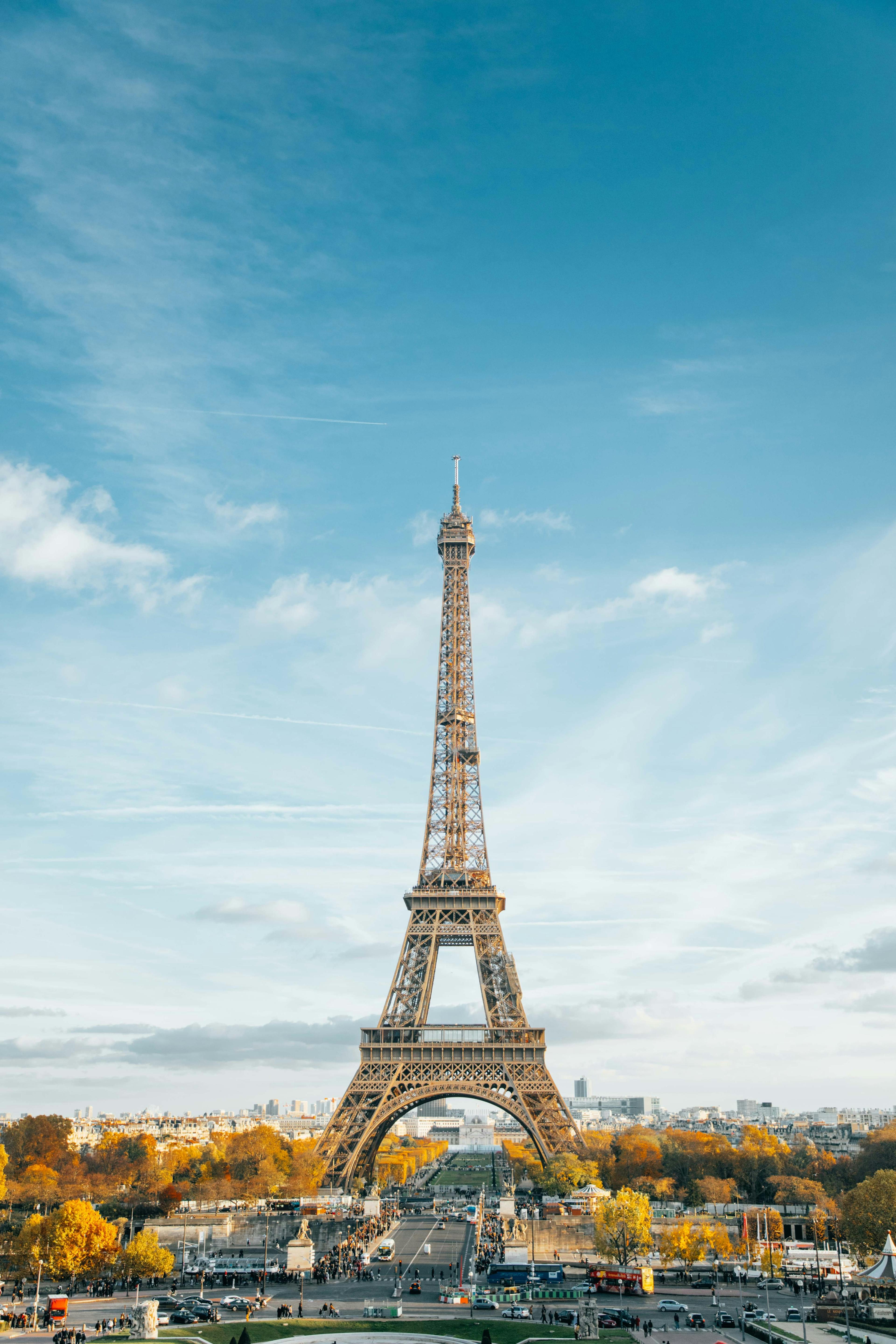
Paris
One of the world's most liquid and resilient residential markets with global UHNW demand and supply constraints.
→ Capital preservation, liquidity, and prestige
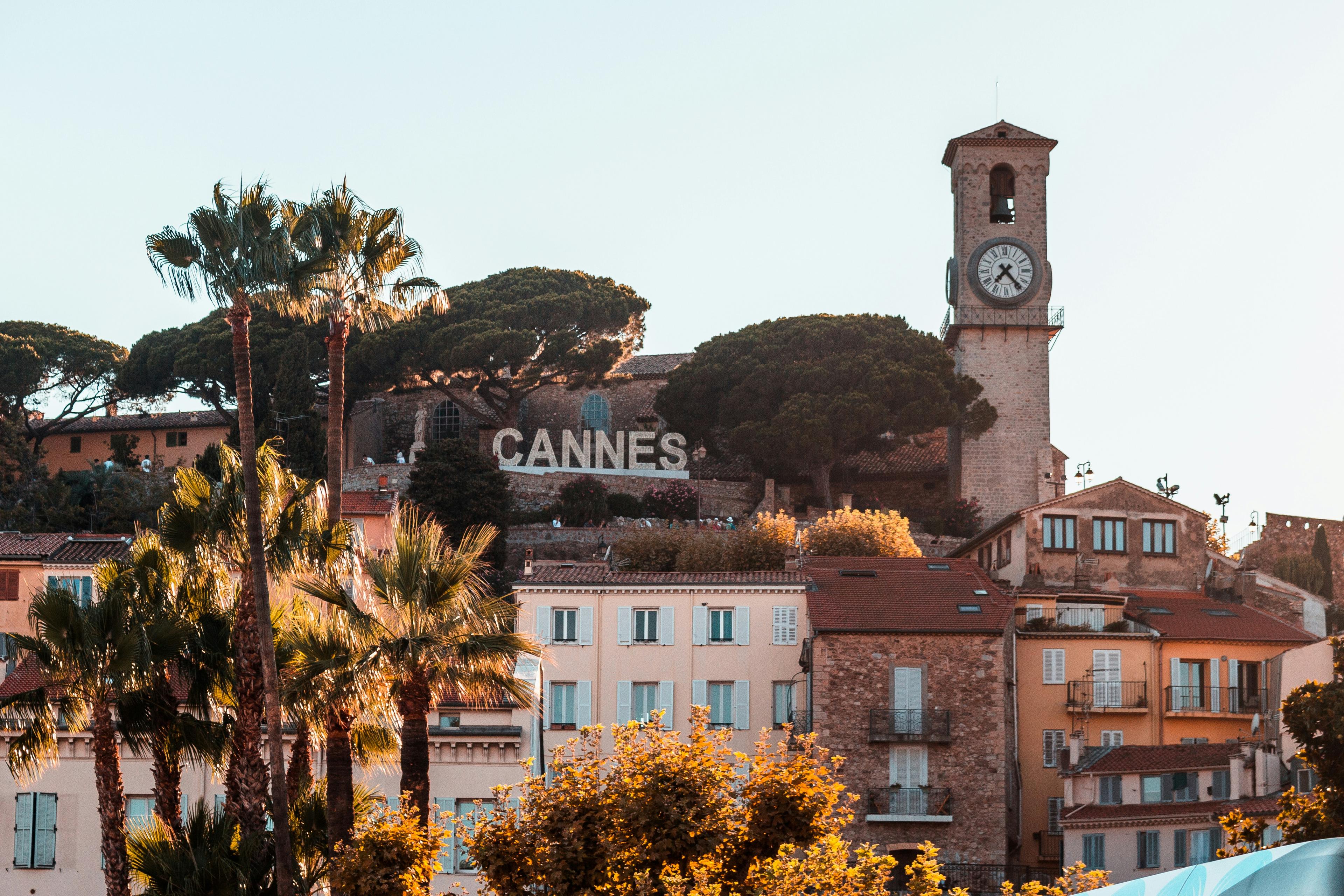
South of France
The South of France including the French Riviera and Provence attracting sustained global lifestyle interest.
→ Lifestyle-first and preservation-oriented investors

Alps
French Alpine destinations including Courchevel, Val d'Isere, and Megeve offering global ski prestige.
→ Lifestyle assets with scarcity value
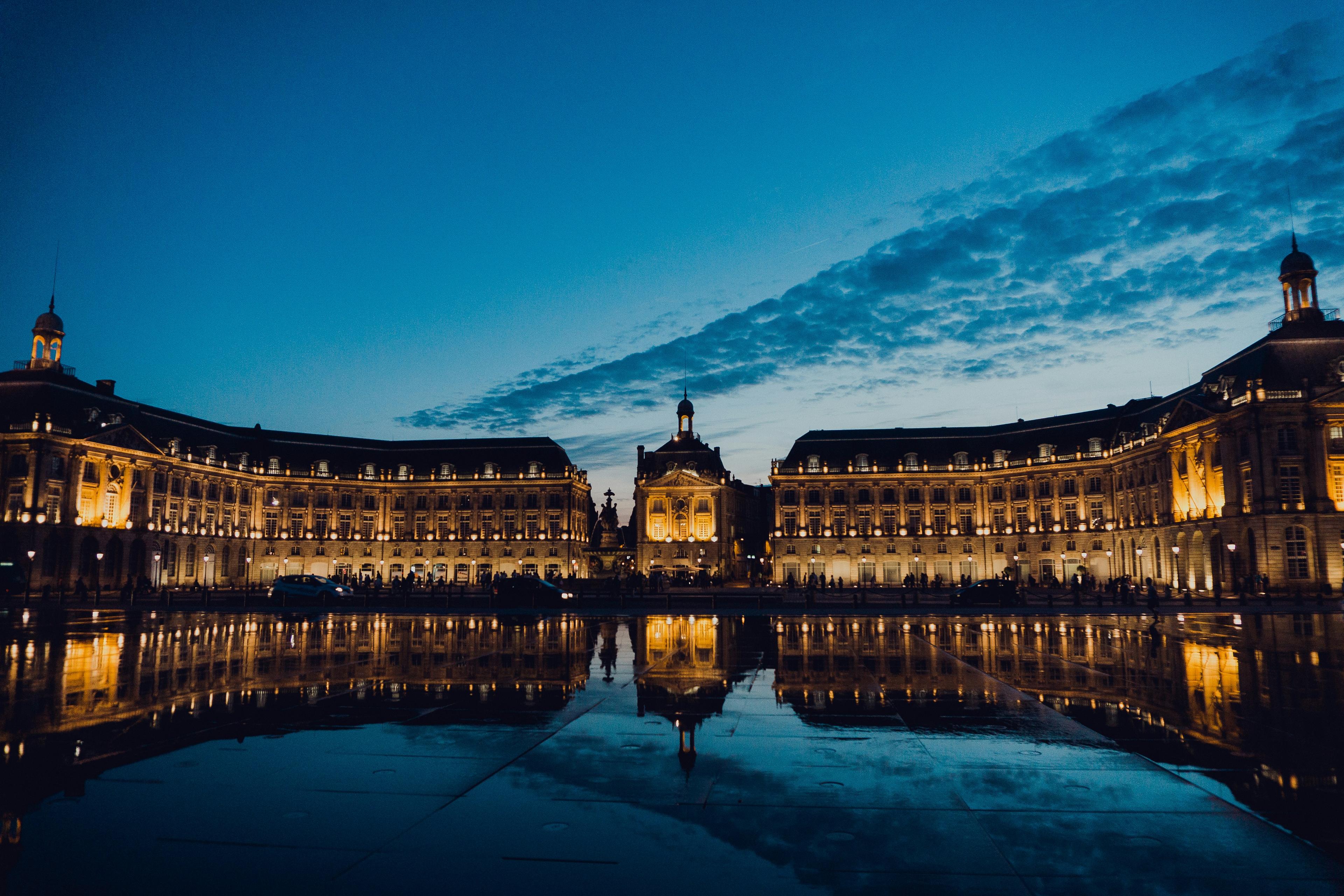
Bordeaux, Lyon & Regional Cities
Select regional cities including Bordeaux and Lyon offering strong domestic demand and cultural importance.
→ Urban resilience outside Paris
Investment Strategies
Common approaches for France property investment.
Capital preservation and legacy ownership
Investors prioritise long-term holding, intergenerational transfer, and asset quality and location. Rental income is often secondary.
Lifestyle-plus-rental strategies
In select markets, investors combine personal use with short- or medium-term rentals. This strategy requires regulatory awareness, especially in major cities.
Urban long-term rentals (selective)
In cities like Paris and Lyon, some investors pursue regulated long-term rental strategies and professionally managed assets.
Where Capital is Flowing
- Prime, supply-constrained locations
- Assets with enduring lifestyle relevance
- Properties appealing to both domestic and international buyers
- Markets with strong resale liquidity
Key Considerations
- Complex tax and inheritance structures
- Rental regulations in major cities
- Transaction costs and holding taxes
- Need for careful structuring for non-residents
Read before you invest in France
Buying process, city deep-dives, and on-the-ground neighborhood intelligence
Country buying guide
View all buying guides →
Buying Guide
France Investor Guide
Navigate France's prestige property market -- Haussmann Paris, Riviera lifestyle, Alpine chalets, and a stable Eurozone economy with deep legal protections
City guides
View all city guides →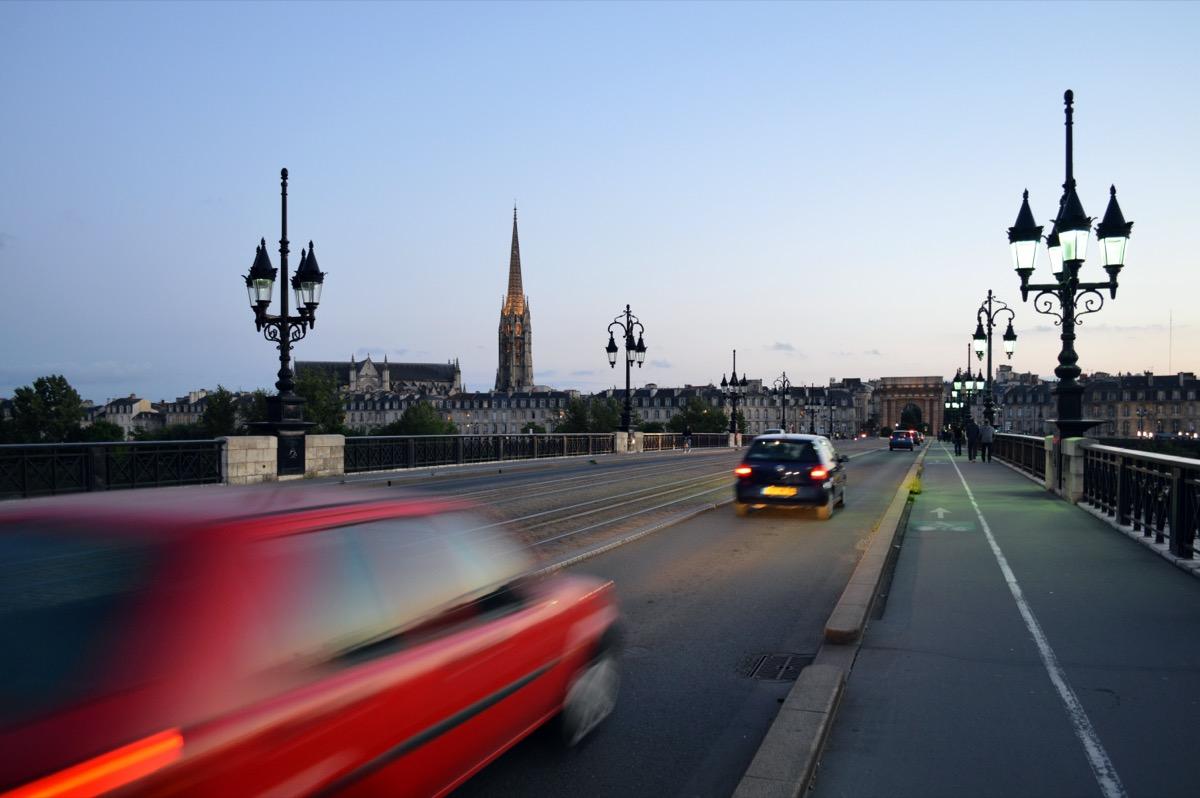
Bordeaux City Guide
Bordeaux is France's wine capital and the largest UNESCO-listed urban ensemble in Europe (since 2007). The city anchors the Bordeaux wine region — over 60 appellations producing approximately €1 billion of economic value annually for the metropolitan area. The 18th-century neoclassical city centre is anchored by the Place de la Bourse and its iconic Miroir d'Eau, the Grand Théâtre, and the Esplanade des Quinconces. Bordeaux's TGV connection brings it within 2 hours of Paris, fuelling the lifestyle-buyer migration of the past 15 years. The city has stabilised at €4,400-€4,500/m² in 2025 after a 1-3% correction; metro population approximately 862,000. Bordeaux trades approximately 27% above the French national average and attracts deep international buyer demand from UK, Northern European, US, and Asian wine + lifestyle buyers.
10 min read
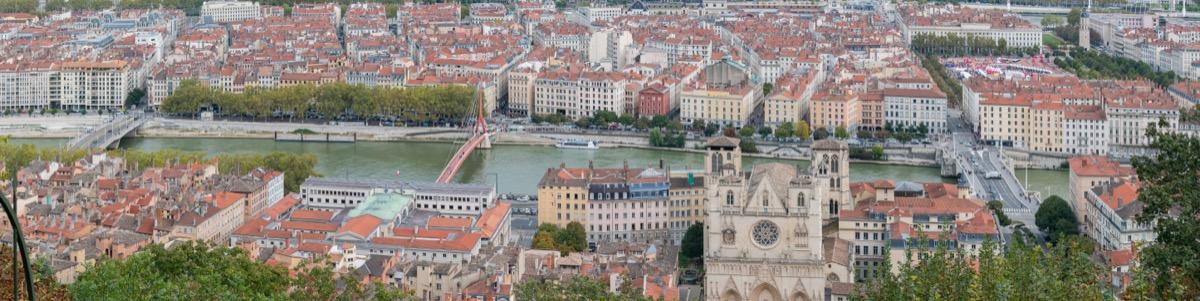
Lyon City Guide
Lyon is France's third-largest city and a major secondary capital — the historic capital of the Gauls, France's gastronomy capital, and Europe's rising life sciences and innovation hub. The city sits at the confluence of the Rhône and Saône rivers, anchored by the UNESCO-listed Vieux Lyon Renaissance quarter, the Croix-Rousse silk-weaving district, the modern Confluence regeneration zone, and the elegant Presqu'île. Lyon's metro population reached 1.79M in 2025 (+0.7% YoY), with the city proper at 520,774 (3rd-largest French city after Paris and Marseille). Average residential property prices reached €4,576/m² in June 2025, with the prestigious 6th arrondissement approaching €6,000/m² and the 9th arrondissement around €3,720/m². Yields are modest (4.41% city average) but supported by deep student-and-professional rental demand from Lyon's growing biotech, AI, and consulting clusters.
10 min read
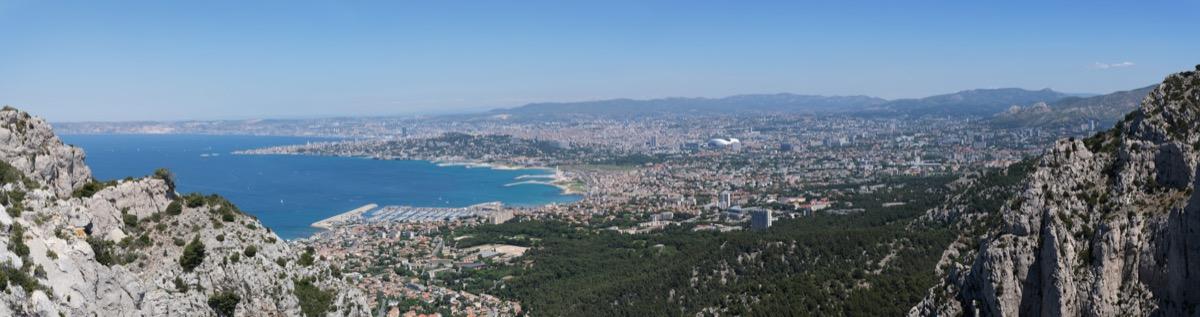
Marseille City Guide
Marseille is France's second-largest city and the country's largest Mediterranean port — a 2,600-year-old Greek-founded settlement (Massalia, 600 BC, France's oldest city) that today combines deep multicultural character with the country's strongest urban yield + capital growth combination. Population approximately 870,000 (city) / 1.6M (metro). Marseille's average apartment prices €3,388-€3,750/m² in 2025 — materially below Paris (€9,924+/m²) and Nice (€5,771/m²) — but with the highest gross rental yields of any major French city at 5.45% average (Studios 6.47%, select districts up to 7%). Buyer demand exceeds available properties by 18%, supporting continued appreciation. The city's Mediterranean climate, port economy, MUCEM cultural complex, and the 2023 Calanques National Park UNESCO inscription continue to drive long-term lifestyle migration from northern French cities.
10 min read
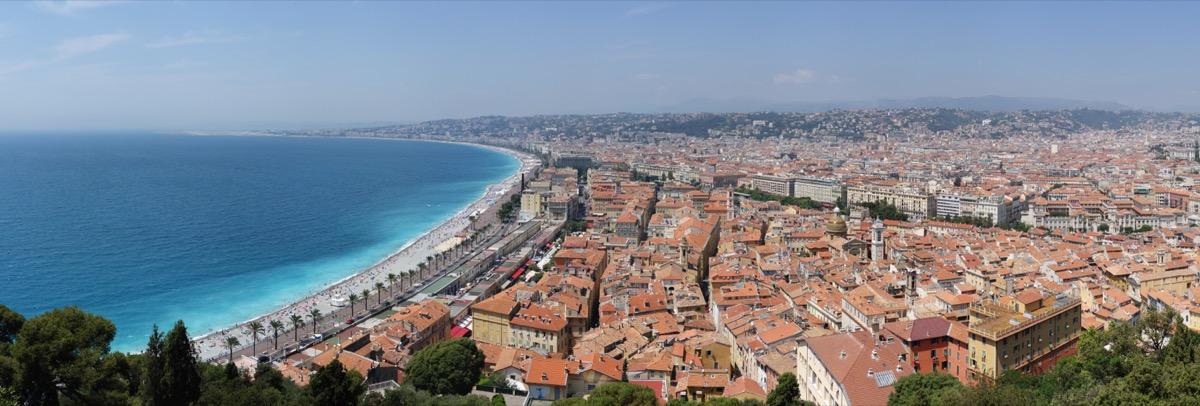
Nice City Guide
Nice is France's premier Côte d'Azur (French Riviera) city and the country's fifth-largest urban centre — population 340K (city) / 1M (metro). Nice combines the iconic Promenade des Anglais seafront (UNESCO 2021 inscription as the 'winter resort town of the Riviera'), the Vieux Nice old town, and the residential prestige zones of Mont Boron, Cap de Nice, and the Carré d'Or. Median property prices reached €5,771/m² in January 2025 (+3% YoY). Luxury sub-zones: Carré d'Or €10,000-€15,000/m², Mont Boron + Cap de Nice €10,000-€12,000/m², Gairaut €5,000-€8,000/m². Apartment yields are France's lowest at 3.11% — Nice is a structural capital-preservation market, not a yield play. The 5-year forecast ranges +12-22% growth in base scenario (up to +35% with favourable rates).
10 min read

Paris City Guide
Paris is the world's most-visited capital and Europe's most established blue-chip property market — a city of twenty arrondissements arranged in a spiral around the Seine, each with its own character, price tier, and lifestyle profile. From the haussmannian boulevards of the 8th and 16th to the medieval lanes of the 4th's Marais, the bohemian streets of the 11th, and the modernised neighbourhoods of the 20th, Paris offers investors and residents an extraordinary range of submarkets. The city's combination of cultural prestige, restricted heritage building stock, deep international demand, and structural EU-capital status creates a uniquely resilient real estate market. Average apartment prices range from €9,200 to €15,300 per square meter, with rental yields modest (2.8-3.0% gross) but capital preservation among the strongest in Europe. France's 2026 Finance Act DMTO 50% first-time-buyer relief and the absence of Golden Visa make Paris a fundamentally lifestyle-and-capital-preservation market rather than a yield play.
10 min read
Neighborhood deep-dives
View all neighborhood guides →Bordeaux
Bassins à Flot
Bordeaux's regenerated dockland eco-quartier, home to La Cité du Vin, Bassins des Lumières and a culture-led waterfront of new apartments.
Bordeaux
Caudéran
Bordeaux's leafy bourgeois west, family houses with gardens, the 28-hectare Parc Bordelais and the city's top schools.
Bordeaux
Chartrons
Bordeaux's stylish former wine-merchant quarter, antiques, wine bars and restored quayside mansions.
Bordeaux
Saint-Michel
Bordeaux's multicultural, bohemian value quarter, the Capucins market, the UNESCO basilica and the city's strongest rental yields.
Bordeaux
Saint-Pierre
Bordeaux's romantic medieval heart of cobbled lanes, terrace squares and the Miroir d'eau on its doorstep.
Bordeaux
Triangle d'Or
Bordeaux's golden triangle, the luxury hypercentre of Haussmannian grandeur, flagship boutiques and the Grand Théâtre.
Lyon
Brotteaux (6e)
Lyon's bourgeois Haussmannian quarter beside the Parc de la Tête d'Or, wide avenues, luxury shopping and Michelin dining at the city's top price tier.
Lyon
Confluence (2e)
Lyon's reinvented docklands at the meeting of two rivers, eco new-builds, signature architecture and the Musée des Confluences on reclaimed waterfront.
How INTRIC Supports Your
France Investment
INTRIC does not sell property. INTRIC helps members make better decisions before committing capital.