Property Investment Guide
Malaysia
Value, yield, and lifestyle optionality in Southeast Asia
Market Type
Value-driven Southeast Asian market
Risk Profile
Moderate
Malaysia is one of Southeast Asia's most underrated and structurally complete property markets, offering a rare combination of affordability, modern infrastructure, legal clarity, and lifestyle depth. For global investors, Malaysia is typically positioned as a value-driven, income-oriented diversification market, rather than a speculative growth or frontier allocation.
Ideal For
- HNWIs seeking value and yield in Southeast Asia
- Investors diversifying beyond Singapore and Hong Kong pricing
- Buyers planning second homes or long-stay living
- Family offices allocating to income-producing residential assets
- Investors seeking modern living at accessible price points
Consider Carefully If
- • Short-term speculative flipping strategies
- • Investors seeking rapid capital appreciation
- • Purely institutional strategies requiring very large scale
Why invest in Malaysia?
Key factors driving global investor interest in Malaysia property.
Strong value proposition relative to regional peers
Compared to markets such as Singapore, Hong Kong, or parts of Thailand, Malaysia offers significantly lower price per square metre, modern residential developments, and competitive rental yields in prime locations. This makes Malaysia attractive to investors seeking value-adjusted returns.
Established foreign ownership frameworks
Malaysia allows foreign buyers to purchase strata-titled residential property (above minimum price thresholds), enjoy clear ownership rights, and benefit from a well-documented legal system. This reduces execution risk relative to less transparent markets.
Urban rental demand and liveability
Malaysia's major cities support long-term rental demand from professionals and expatriates, domestic urbanisation and household formation, and strong education and healthcare ecosystems. These factors support stable rental fundamentals.
Properties in Malaysia
Curated by INTRIC

Branded Waterfront Apartments in Johor Bahru, Malaysia
Smart-home twin towers near the Singapore RTS Link
Price
MYR 587K – MYR 2.00M
3% down payment • 10% at 4wk • 90% completion

Branded Villa in Desaru Coast, Malaysia
Luxury resort residences on Malaysia's premier coastline
Price
MYR 5.50M – MYR 12.00M
Reservation fee on booking • Progressive payments during construction • Balance on completion

Branded Villa in Desaru Coast, Malaysia
Award-winning beachfront branded residences on the coast
Price
MYR 9.20M – MYR 25.00M
From MYR 9.2M • Freehold ownership • Fully furnished to Anantara standards
Key Investment Locations
Prime areas attracting international property investors in Malaysia.
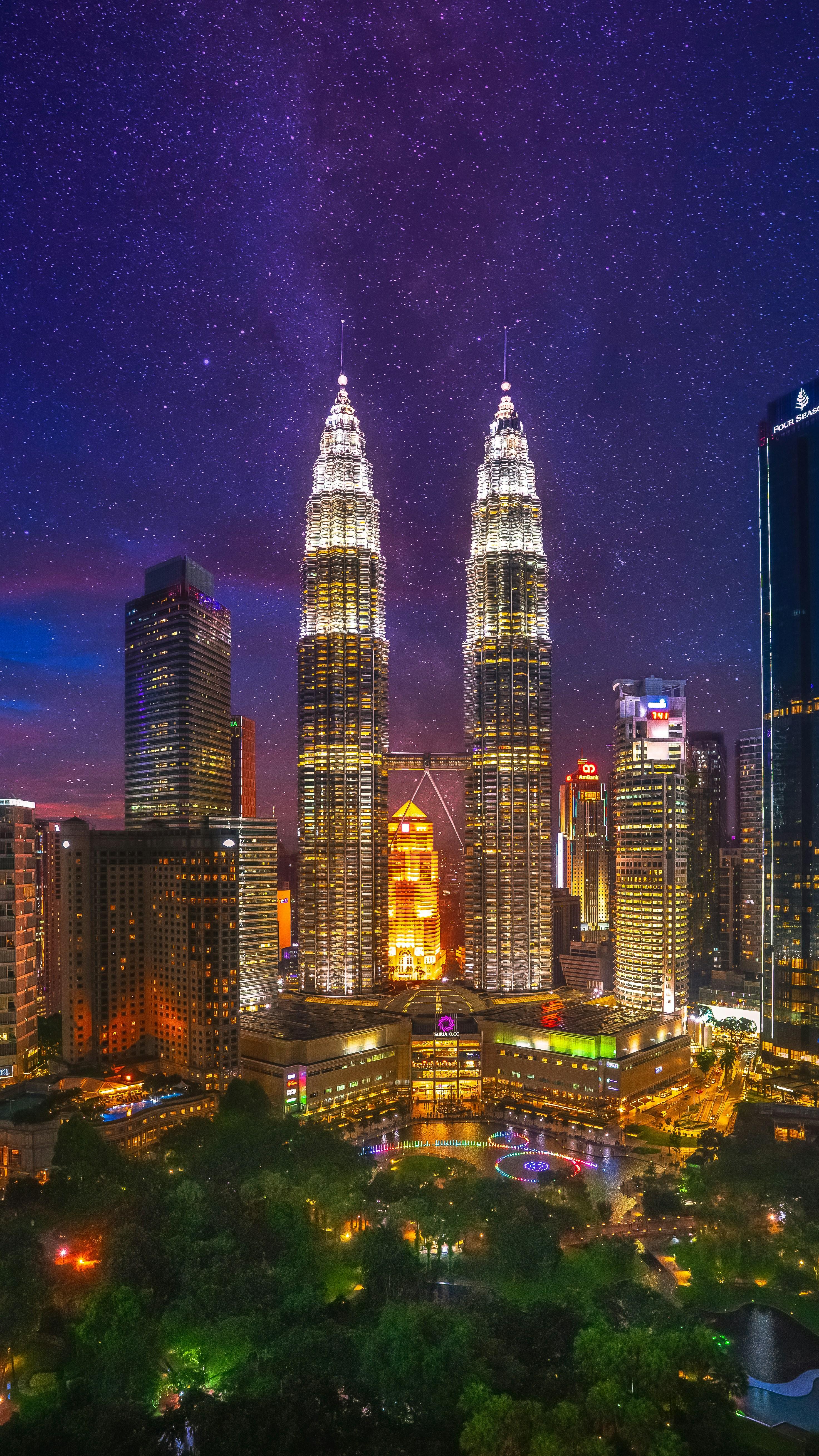
Kuala Lumpur
Malaysia's primary property market with modern high-rise residential developments, diverse rental demand, and good transport connectivity.
→ Urban yield and long-term rental demand

Prime Kuala Lumpur Districts
Prime Kuala Lumpur districts including KLCC, Bangsar, Mont Kiara, and Damansara offer different tenant profiles and strategies.
→ Various strategies from yield to lifestyle

Penang
Strong cultural identity, tourism and lifestyle appeal, and limited land supply on the island.
→ Lifestyle-led, long-term holdings with rental support

Johor
Johor, particularly areas near Singapore, attracts cross-border workers and value-driven residential demand.
→ Experienced, timing-aware investors
Investment Strategies
Common approaches for Malaysia property investment.
Buy-to-rent residential assets
Investors focus on condominiums in established urban districts, developments with good management and amenities, and properties attractive to professionals and expatriates. This strategy prioritises income stability over rapid appreciation.
Lifestyle and long-stay ownership
Many investors acquire Malaysian property for extended stays, retirement planning, and lifestyle diversification. Rental income often offsets holding costs rather than maximising returns.
Regional diversification plays
Malaysia is often used as a Southeast Asia diversification allocation and a value counterbalance to higher-priced regional markets.
Where Capital is Flowing
- Well-located urban developments
- Areas with strong rental demand and amenities
- Properties with professional management
- Assets aligned with long-term liveability rather than speculation
Key Considerations
- Oversupply risk in certain segments
- Minimum price thresholds for foreign buyers
- Financing availability and terms
- Currency exposure
- District-level rental variability
Read before you invest in Malaysia
Buying process, city deep-dives, and on-the-ground neighborhood intelligence
Country buying guide
View all buying guides →
Buying Guide
Malaysia Investor Guide
Your comprehensive guide to buying property in Malaysia — from state-level minimum prices and MM2H visa tiers to stamp duty reforms and rental yields
City guides
View all city guides →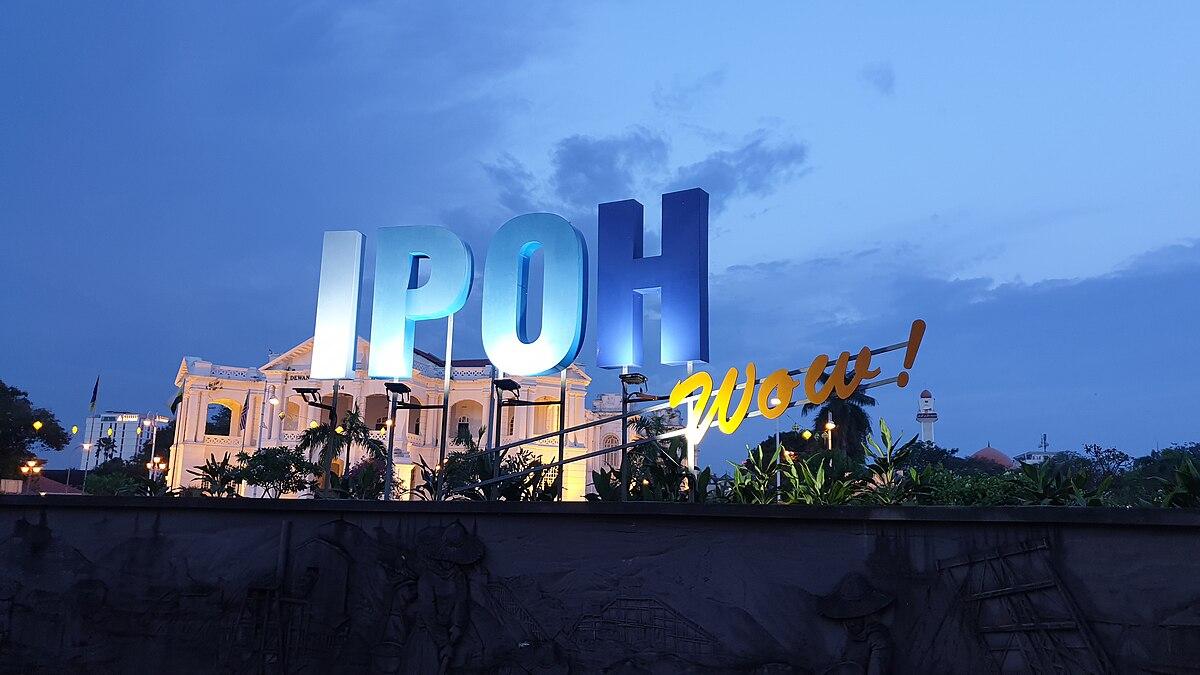
Ipoh
Ipoh is the capital of Perak and Malaysia's third-largest city, celebrated as one of Southeast Asia's great food cities and home to a stunning landscape of limestone caves, colonial heritage buildings, and a revitalized old-town arts scene. The city's dramatic karst topography, cool-climate retreats, and proximity to Cameron Highlands make it an increasingly popular destination for domestic tourists and lifestyle migrants. The property market offers compelling value with a median residential price of approximately MYR 340,000 and MYR 228 per square foot — roughly half of Kuala Lumpur's rates. Property prices have appreciated 5% year-on-year, and Perak accounts for 11.4% of Malaysia's total residential transactions. Gross yields rank among the highest nationally, though the rental market remains thinner than in KL or Penang, requiring careful tenant sourcing. Ipoh's old town revival is transforming heritage shophouses into cafes, boutique hotels, and galleries, making it Malaysia's most popular domestic short-trip destination after Penang and Langkawi. Remote workers earning KL salaries are relocating for Ipoh's lower cost of living, creating a new tenant class willing to pay MYR 1,000-2,000 monthly for well-maintained properties. For investors seeking high-yield, low-entry-cost assets with lifestyle appreciation upside, Ipoh represents Malaysia's hidden value play.
8 min read
Johor Bahru
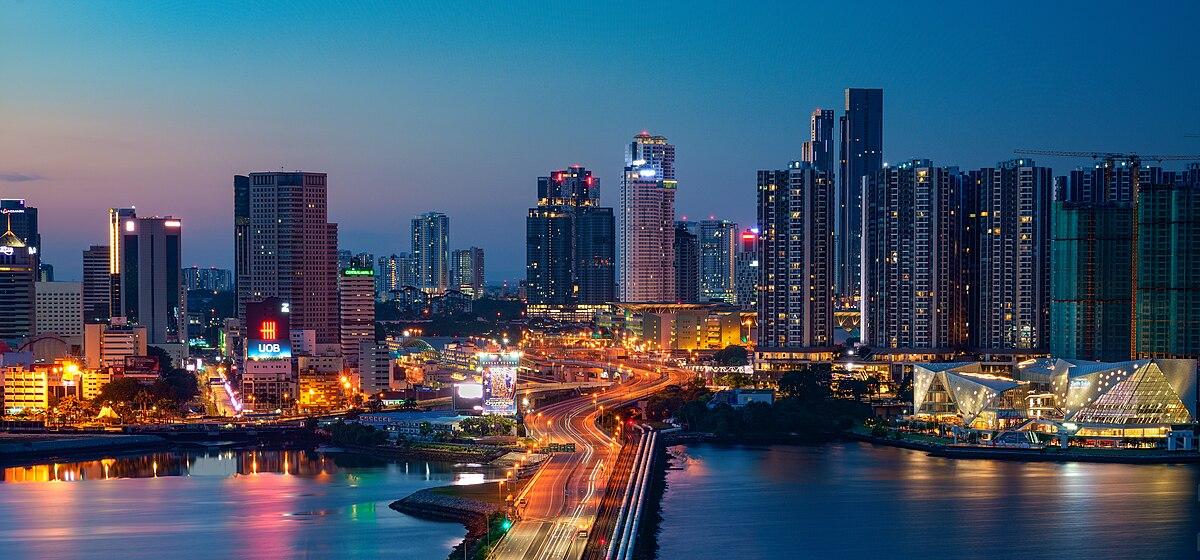
Johor Bahru, Malaysia's southern gateway city, sits directly across the Causeway from Singapore and is experiencing one of Southeast Asia's most dramatic property market transformations. The city is the capital of Johor state and the anchor of the ambitious Iskandar Malaysia economic corridor, which has attracted over MYR 400 billion in cumulative investments. The imminent opening of the Johor Bahru-Singapore Rapid Transit System (RTS) Link is the single biggest catalyst reshaping the JB property landscape. Properties within 5 kilometers of RTS stations have already seen 18-20% price appreciation even before the link becomes operational. The Johor-Singapore Special Economic Zone (JS-SEZ) is further accelerating cross-border economic integration, with approved investments in Johor surging to MYR 91.1 billion in Q3 2025 alone. With a median property price of around MYR 588,000 and rental yields of 5-8% in prime corridors, JB offers compelling value compared to Singapore where equivalent properties cost 5-10 times more. The city is rapidly evolving from a low-cost alternative into a genuine twin-city partner with Singapore, attracting both cross-border commuters and international investors seeking Southeast Asia's next growth story.
8 min read
Kota Kinabalu
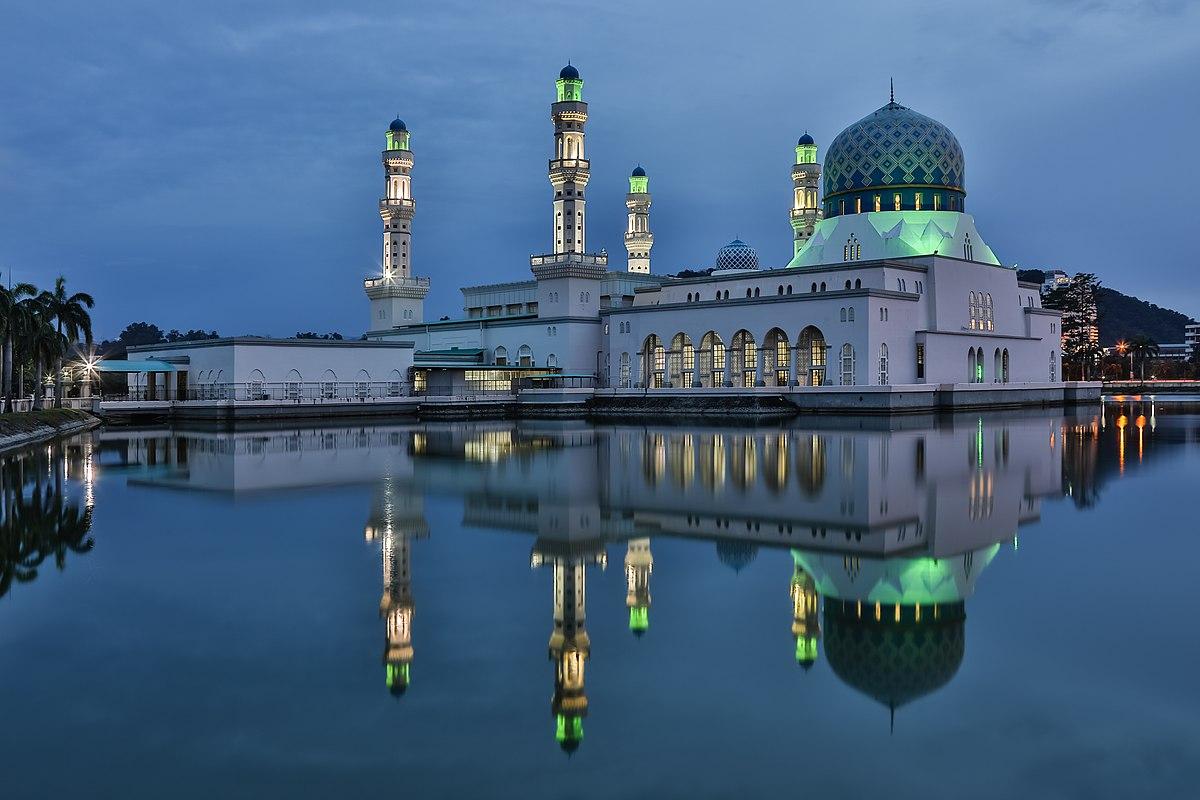
Kota Kinabalu is the capital of Sabah on Malaysian Borneo and the gateway to Mount Kinabalu, Southeast Asia's highest peak. The city combines a laid-back coastal lifestyle with world-class diving at nearby Tunku Abdul Rahman Marine Park and the Sipadan corridor, drawing adventure travelers and nature lovers year-round. Sabah's property market is experiencing steady growth, with Kota Kinabalu recording 918 residential transactions in the twelve months to March 2025 at a median price of MYR 560,000. City-centre condominiums average MYR 400-700 per square foot, remaining highly competitive compared to Peninsular Malaysia's major cities. The MYR 6.9 billion allocated to Sabah for infrastructure upgrades is strengthening connectivity and boosting rental demand, particularly from the growing tourism and short-term rental market with over 1,580 active listings. Kota Kinabalu's appeal extends beyond nature tourism. The city is a regional hub for Borneo's oil and gas industry, hosts a growing technology sector, and serves as the administrative capital for a state rich in biodiversity and natural resources. International flights connect KK directly to major Asian cities, and the expanding port and airport infrastructure position it as Malaysian Borneo's primary gateway for both commerce and tourism.
8 min read
Kuala Lumpur
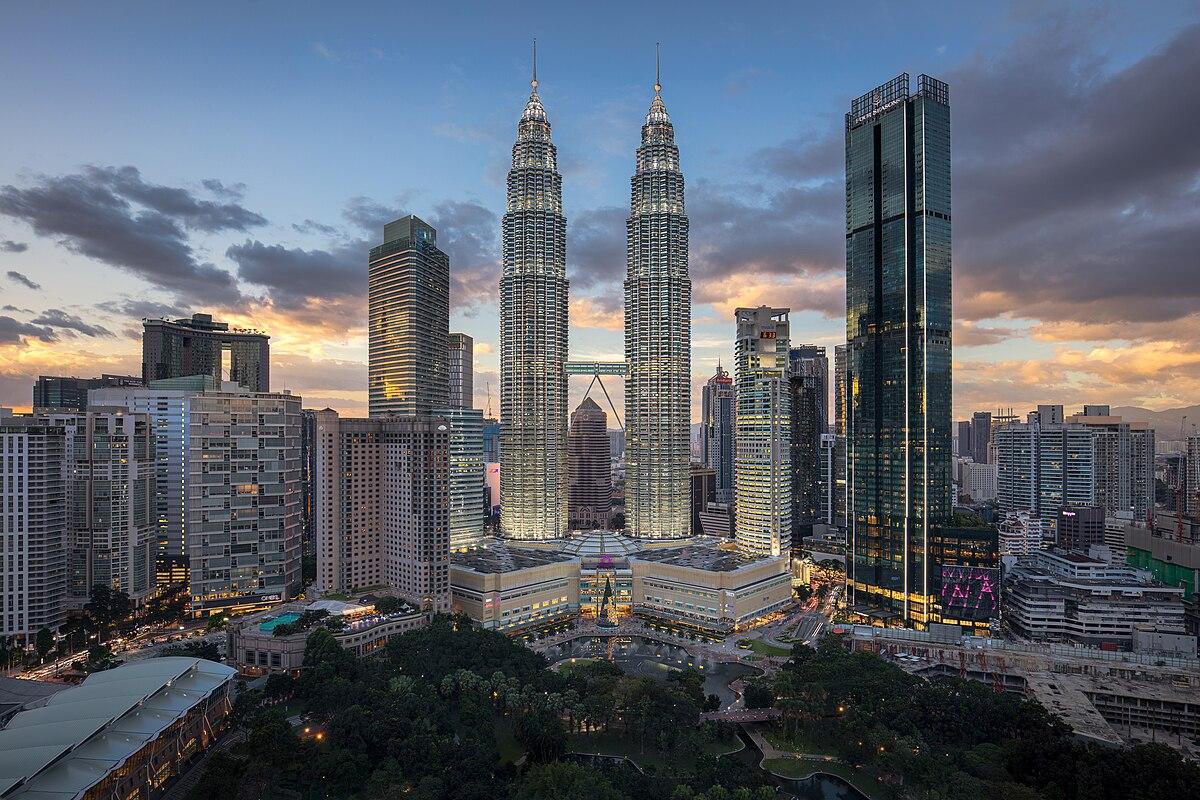
Kuala Lumpur is Malaysia's vibrant capital and financial hub, home to the iconic Petronas Twin Towers, world-class shopping, and a thriving food scene. The city blends Malay, Chinese, Indian, and international cultures into a cosmopolitan metropolis that consistently ranks among Asia's most liveable cities for expatriates. As the nation's economic engine, KL hosts the headquarters of major Malaysian corporations, multinational regional offices, and a rapidly growing digital economy. The property market offers everything from luxury high-rise condominiums in KLCC to family-friendly enclaves in Mont Kiara and trendy neighborhoods like Bangsar. With average house prices around MYR 805,000 and gross rental yields of 4-6% in prime areas, KL remains one of Southeast Asia's most accessible gateway cities for international property investors. Massive infrastructure projects including the MRT3 Circle Line and ongoing LRT expansions continue to reshape the city's connectivity, driving property values in transit-adjacent neighborhoods. The city's international schools, excellent healthcare, and low cost of living relative to Singapore and Hong Kong make it a magnet for expatriate families and digital nomads alike.
8 min read
Kuching
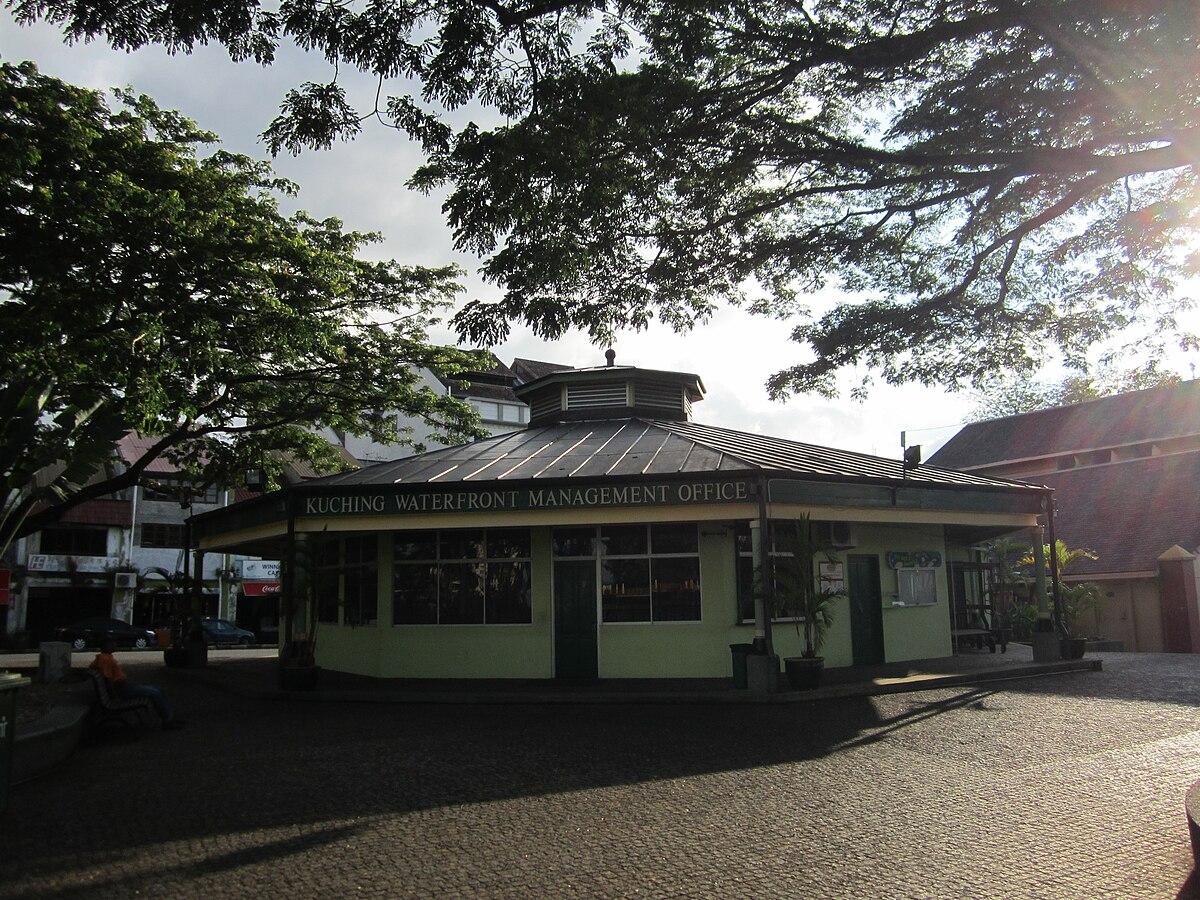
Kuching is the capital of Sarawak on Malaysian Borneo, a culturally rich city where Malay, Chinese, Dayak, and indigenous traditions converge along the scenic Sarawak River waterfront. Known as the 'Cat City,' Kuching blends colonial heritage, vibrant food markets, and proximity to some of the world's oldest rainforests, including Bako National Park and Semenggoh orangutan sanctuary. Sarawak's property market has shown resilience, with an average price of MYR 540,884 and transacted prices increasing 8.7% year-on-year. The residential overhang has decreased 12% in volume, indicating improving market absorption. The Samarahan corridor near Kuching — home to UiTM and UNIMAS universities — drives approximately 80% of local property demand, creating a reliable rental base from students and academic staff. Industrial property is expanding rapidly, with 40 million square feet of assets and 58.2 million additional square feet in the pipeline. Kuching benefits from Sarawak's unique autonomous governance, which gives the state greater control over land, immigration, and development policies. The state government's ambitious industrialization program, abundant hydroelectric power, and growing digital economy are transforming Kuching from a charming heritage town into Borneo's most dynamic economic centre. Property investors benefit from lower competition and a regulatory environment that actively encourages development.
8 min read
Langkawi
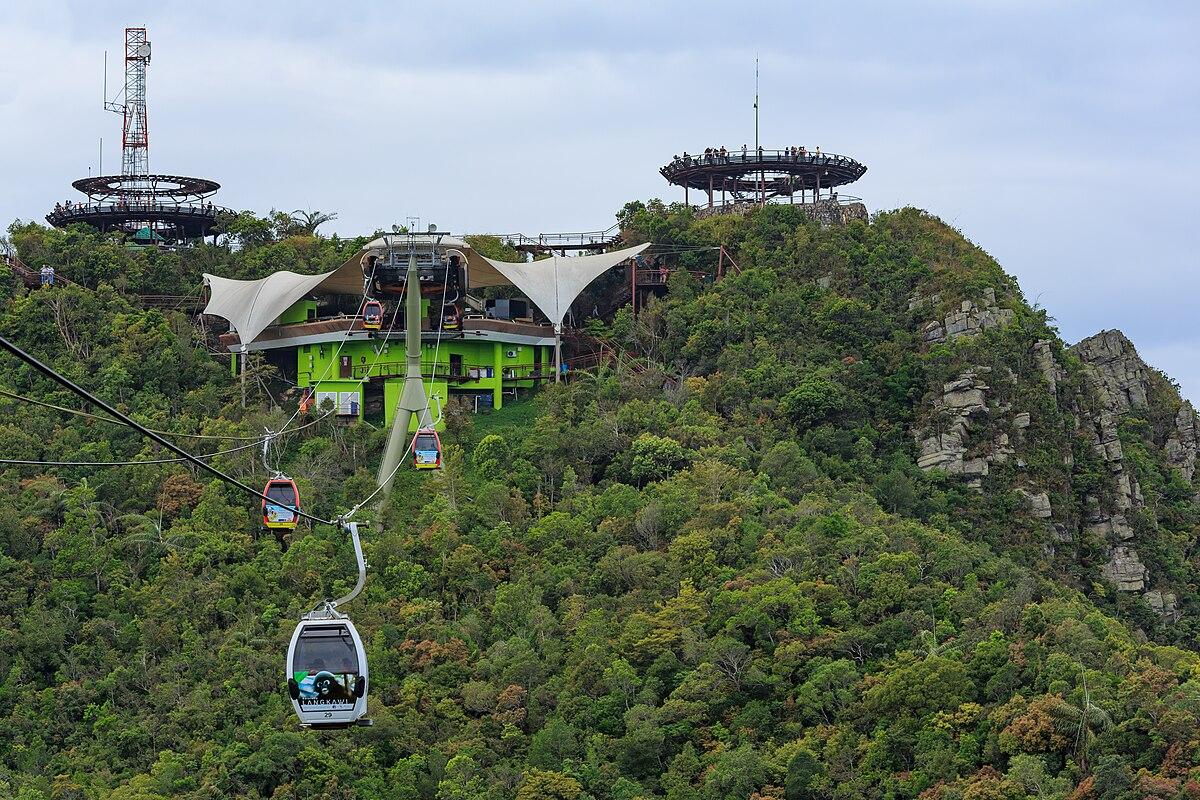
Langkawi is Malaysia's premier duty-free island archipelago in Kedah, a UNESCO Global Geopark of 99 islands renowned for luxury resorts, pristine beaches, and dramatic geological formations. The island's tax-free status, world-class hospitality brands, and expanding tourism infrastructure have made it Southeast Asia's most compelling island investment destination. The property market is driven by hospitality-aligned real estate including branded residences, serviced suites, and beachfront villas. Tropicana Cenang, a flagship development offering freehold serviced suites from MYR 500,000 to MYR 1.71 million, achieved a remarkable 97% take-up rate on its first block. Pantai Cenang remains the most active property zone, commanding the highest tourist footfall and short-term rental returns. Government campaigns including Visit Kedah 2025 and Visit Malaysia 2026 continue to fuel arrivals growth. Langkawi's minimum foreign purchase threshold of MYR 1 million positions the island firmly in the premium investment segment. High-performing assets include short-term rental apartments yielding 5-8% annually, beachfront villas, and branded residences at Datai Bay and Pantai Tengah. With a Sheraton resort under development and steady price appreciation in prime coastal zones, Langkawi offers investors a rare combination of duty-free lifestyle and resort-grade capital growth.
8 min read
Neighborhood deep-dives
View all neighborhood guides →Ipoh
Bandar Meru Raya
Ipoh’s fastest-growing planned township, where an international school and a billion-ringgit edu-medical hub underwrite the long-game investment case.
Ipoh
Bercham
Ipoh’s beloved food-belt suburb where above-average rental yields meet die-die-must-try bean sprout chicken.
Ipoh
Greentown
Ipoh's central commercial and medical district, anchored by private hospitals and walkable mid-rise living.
Ipoh
Ipoh Garden East
A mature, retail-rich Ipoh suburb where families trade big-city prices for AEON-next-door convenience.
Ipoh
Old Town
Ipoh's colonial heart, where heritage shophouses, white-coffee kopitiams and a thriving cafe scene draw heritage tourists and lifestyle buyers
Ipoh
Sunway City Ipoh
A master-planned leisure township in Tambun built around theme-park, wellness and resort attractions.
Ipoh
Tambun
Ipoh’s nature-and-hot-springs resort belt, buy here for lifestyle and tourism appeal, not for thick rental yield.
Johor Bahru
Bukit Indah
An affluent, leafy, Singaporean-favourite township with strong family fundamentals, but it still shares Iskandar’s condo-overhang risk.
How INTRIC Supports Your
Malaysia Investment
INTRIC does not sell property. INTRIC helps members make better decisions before committing capital.