Property Investment Guide
Panama
Dollar stability, global connectivity, and strategic lifestyle value
Market Type
Dollarised, lifestyle-led diversification market
Risk Profile
Low to moderate
Panama is one of the most internationally integrated and structurally resilient property markets in Latin America, long favoured by global entrepreneurs, retirees, logistics operators, and internationally mobile capital. For global investors, Panama is typically positioned as a low-friction, dollar-denominated lifestyle and diversification market, rather than a speculative growth play.
Ideal For
- HNWIs seeking dollar-denominated real assets
- Entrepreneurs and globally mobile professionals
- Buyers planning relocation or long-term residence
- Family offices diversifying into stable LATAM jurisdictions
- Investors prioritising ease of ownership and legal clarity
Consider Carefully If
- • Short-term speculative trading
- • Ultra-high-yield strategies at scale
- • Investors seeking rapid price appreciation
Why invest in Panama?
Key factors driving global investor interest in Panama property.
Dollarised economy and currency stability
Panama's use of the US dollar provides elimination of FX risk for USD-based investors, monetary stability, and predictable long-term purchasing power. This is a major differentiator within Latin America.
Strategic global trade and logistics hub
Panama's economy is anchored by the Panama Canal, regional logistics, shipping, and aviation, and international finance and services. These drivers support sustained professional and expatriate housing demand, particularly in Panama City.
Residency and relocation appeal
Panama is known for accessible residency programs, strong healthcare infrastructure, established expatriate communities, and high quality of life at competitive cost. This supports long-term residential demand beyond tourism.
Key Investment Locations
Prime areas attracting international property investors in Panama.
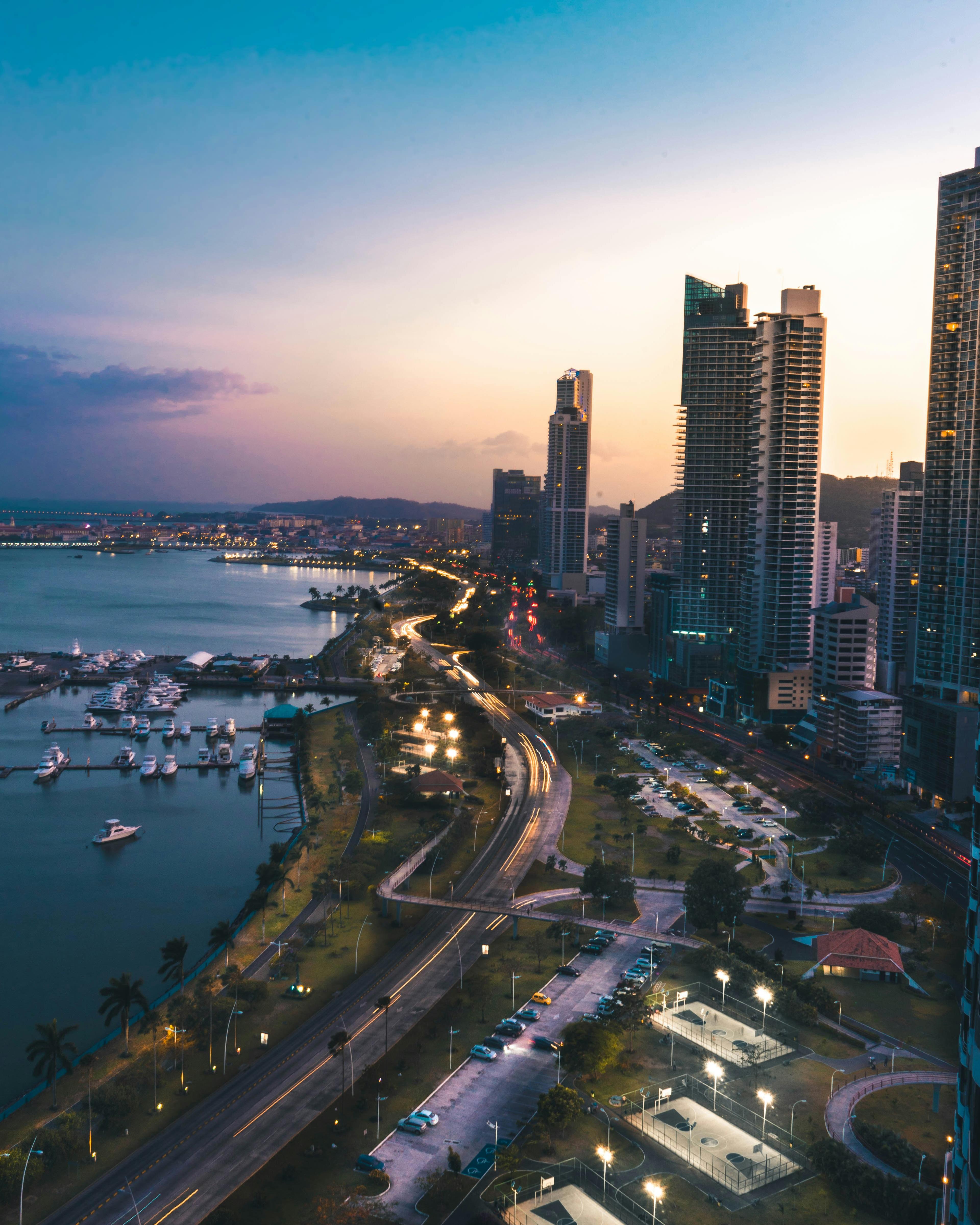
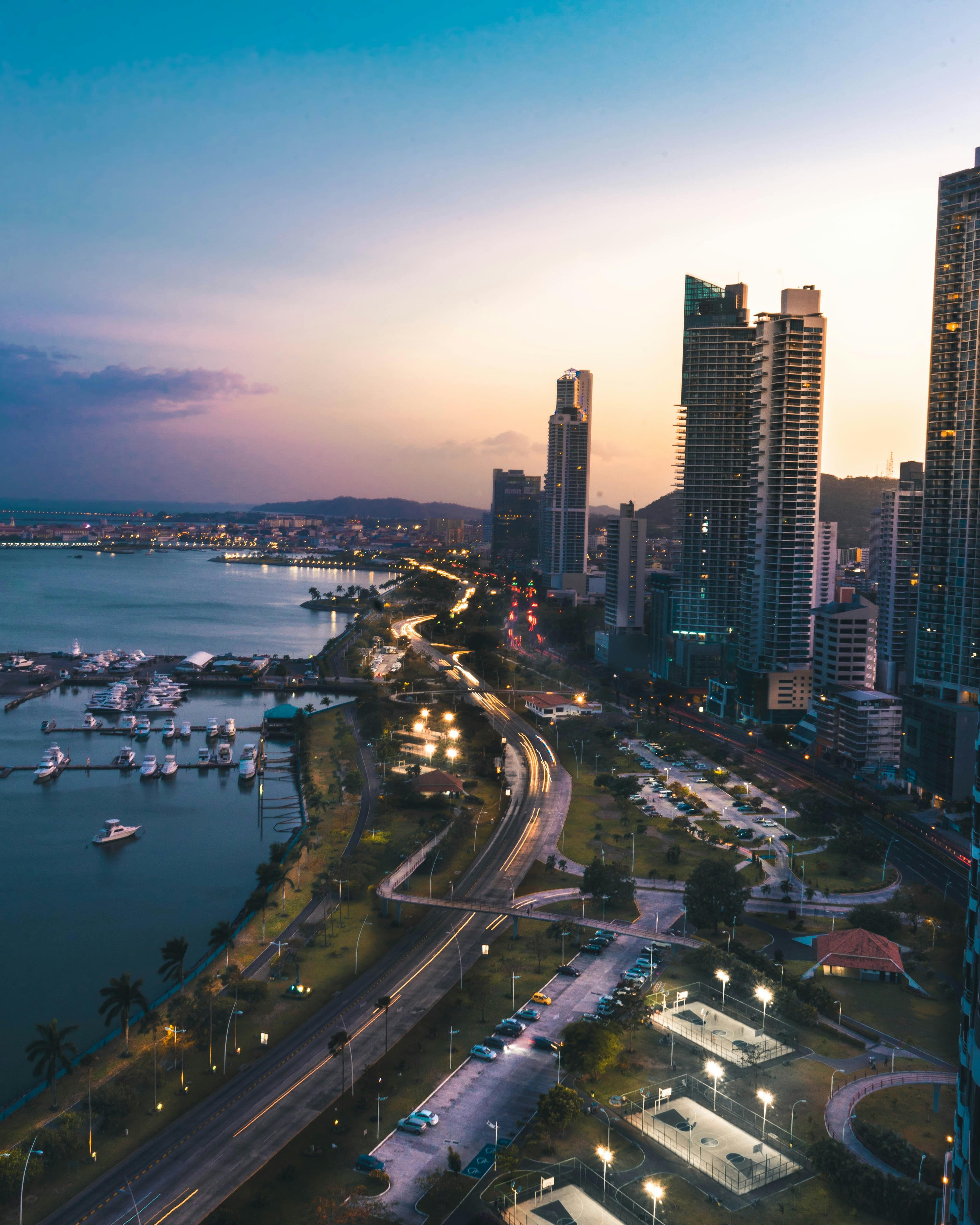
Panama City
Panama's economic and real estate centre with modern high-rise developments and strong expatriate demand.
→ Urban rental income and capital preservation
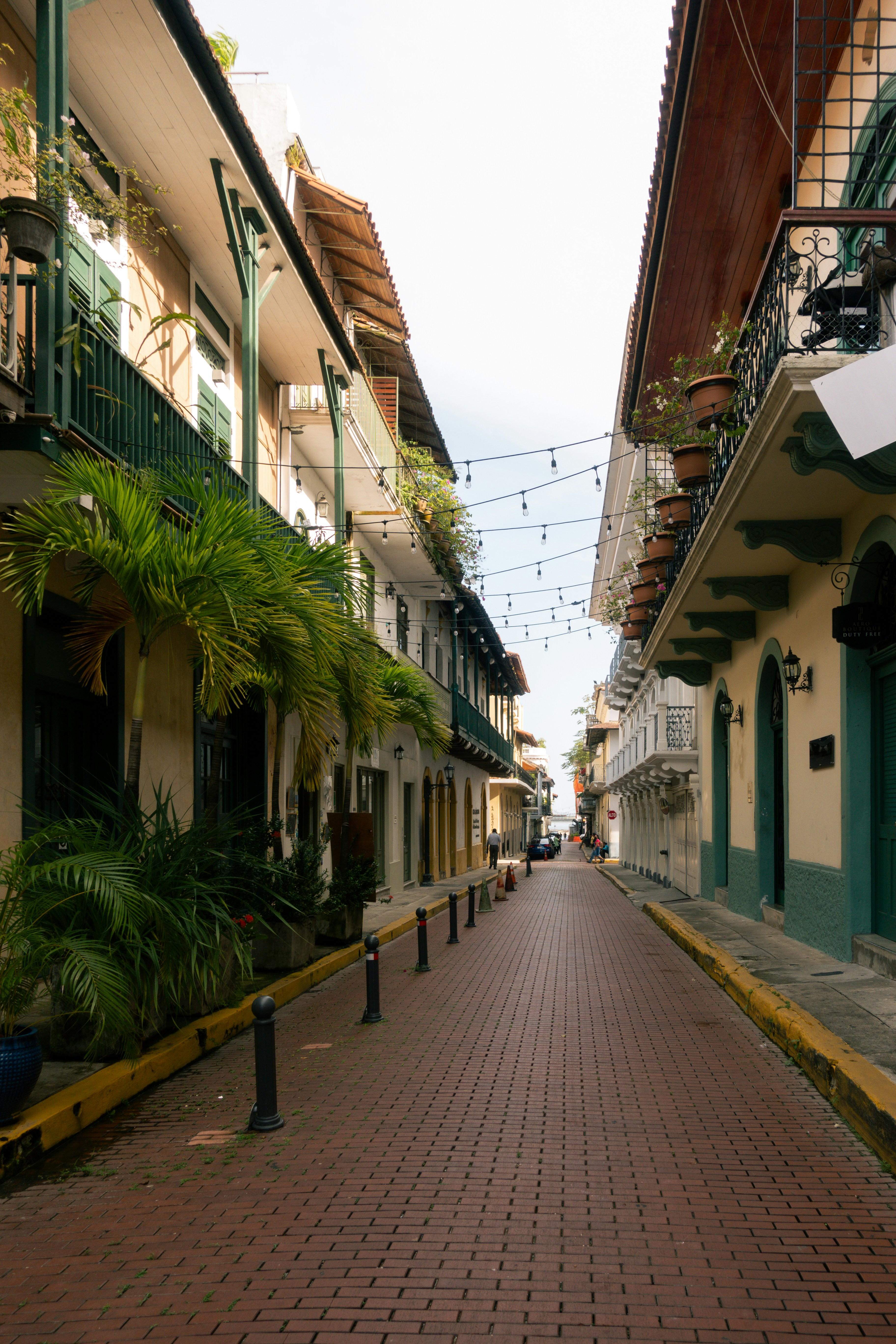
Casco Viejo
Historic district offering UNESCO-listed charm, boutique assets, and strong lifestyle appeal.
→ Lifestyle-led and preservation-oriented investors
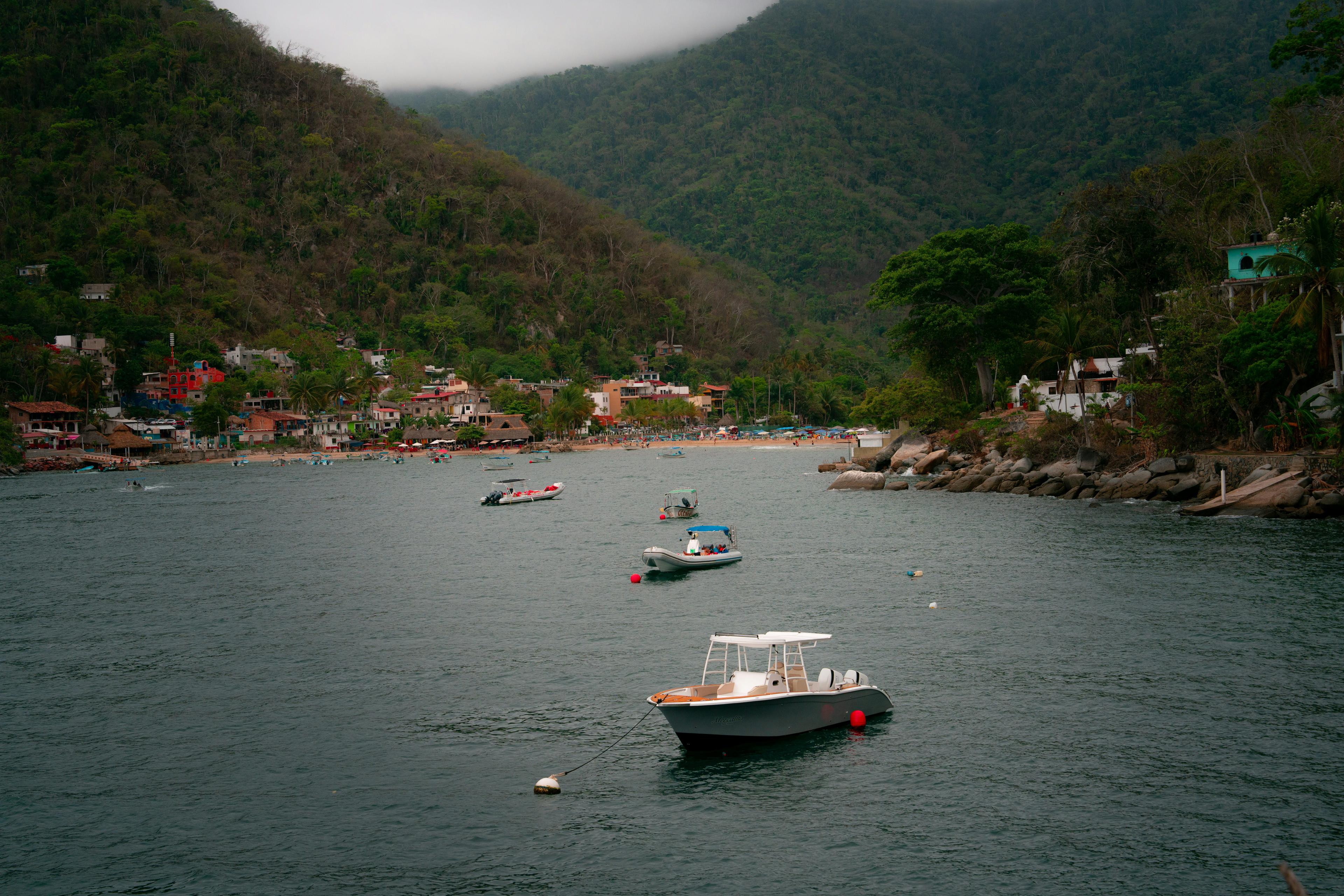
Coronado & Pacific Riviera
Coastal areas attracting retirees, second-home buyers, and long-stay residents seeking beach proximity.
→ Lifestyle-first strategies with modest rental income
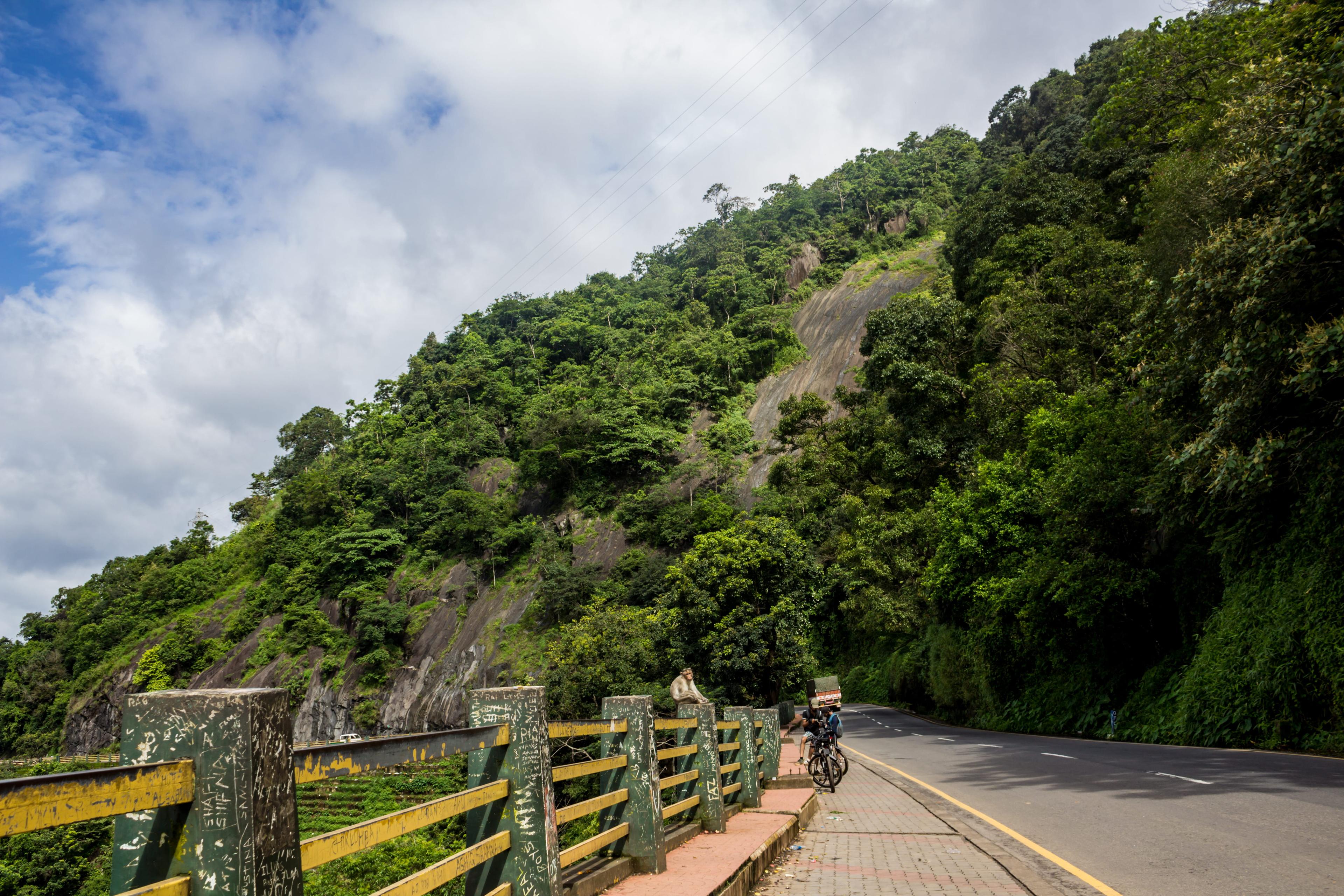
Boquete
Highlands lifestyle market known for cooler climate, strong expatriate community, and wellness appeal.
→ Relocation-driven investors
Investment Strategies
Common approaches for Panama property investment.
Lifestyle and relocation ownership
Investors prioritise long-term residence or semi-retirement, ease of living and ownership, and capital preservation in a dollar market. Rental income is typically secondary.
Long-term urban rentals (selective)
In Panama City, some investors focus on long-term rentals to professionals and centrally located, well-managed developments. This strategy supports moderate, stable yields.
Preservation and diversification allocation
Panama is often used as a USD-denominated diversification asset and a LATAM exposure with lower political risk.
Where Capital is Flowing
- Well-located urban developments in Panama City
- Properties appealing to expatriates and long-stay residents
- Assets with professional management and clear title
- Lifestyle markets with established demand
Key Considerations
- Oversupply risk in certain high-rise segments
- Building quality and management standards
- Rental demand sensitivity to expatriate cycles
- Liquidity variations by neighbourhood
Read before you invest in Panama
Buying process, city deep-dives, and on-the-ground neighborhood intelligence
Country buying guide
View all buying guides →
Buying Guide
Panama Investor Guide
Investing in Panama -- Panama City, Boquete, and the Hub of the Americas
City guides
View all city guides →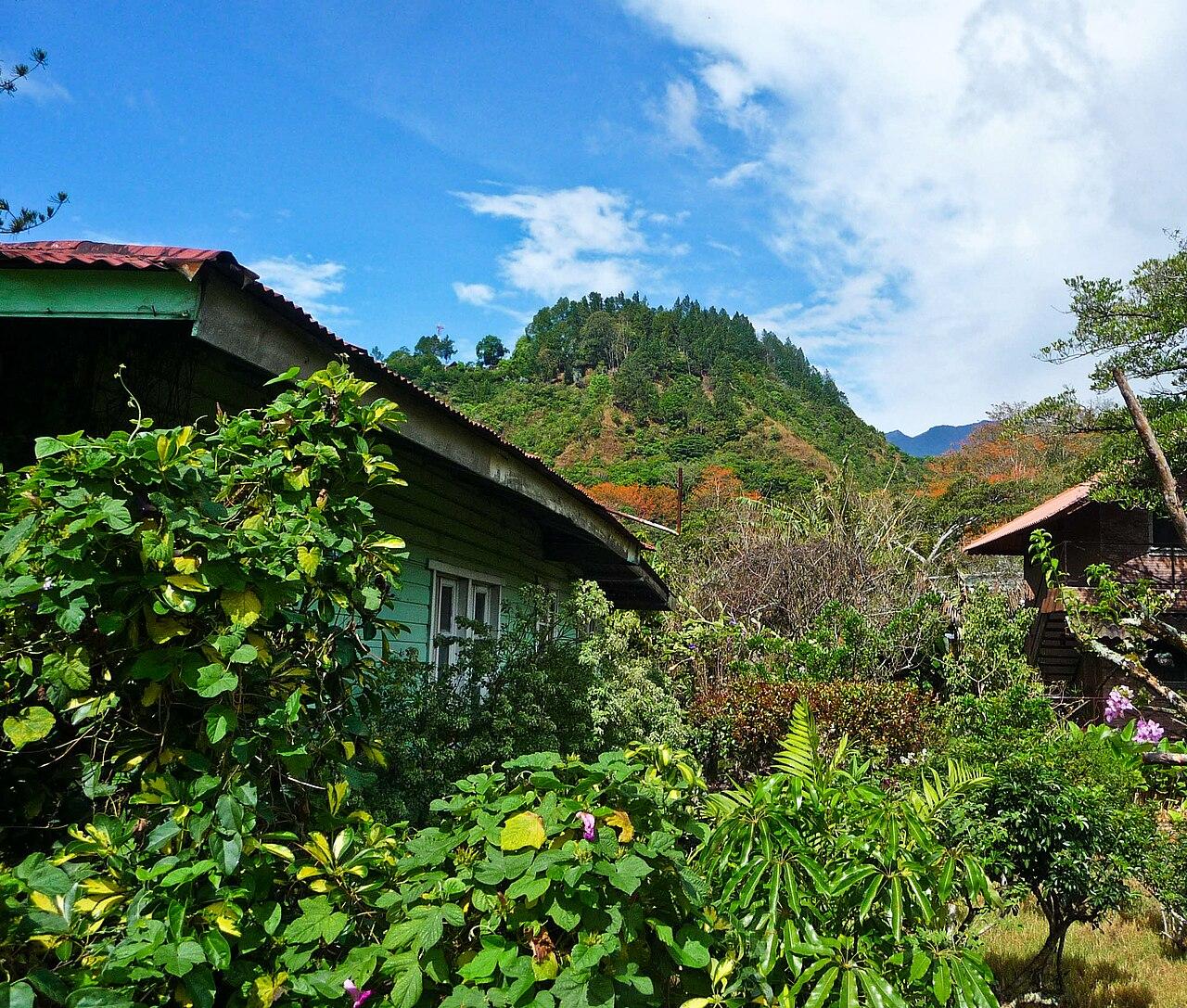
Boquete City Guide
Perched at around 1,000-1,200 metres in the Caldera River valley of Panama's western Chiriqui province, in the shadow of the Baru volcano, Boquete is Central America's best-known highland expat and retiree destination. Its spring-like climate, lush coffee-growing landscape and high quality of life draw a steady stream of North American and European retirees, remote workers and lifestyle buyers, expats make up an estimated 10-15% of the roughly 25,000-strong area population. The market spans from modest local-style homes around USD 100,000-180,000 to mid-tier mountain-view properties at USD 200,000-500,000 and luxury gated-community villas selling at roughly USD 1,800-2,800 per square metre; the median sale price sits near USD 249,000. Panama uses the U.S. dollar as legal tender, eliminating currency risk for dollar-based buyers, and allows foreigners to own titled property outright without a local partner or prior residency. With limited new inventory, resale prices for villas and boutique cottages have been rising around 6% annually into 2026. Gross rental yields run roughly 4-6%, supported by seasonal North American winter tourism and year-round Airbnb demand near the town centre. Panama's Pensionado and Qualified Investor visa programmes, the latter's USD 300,000 real-estate threshold set to rise in late 2026, reinforce Boquete's appeal as a lifestyle-and-residency play.
7 min read
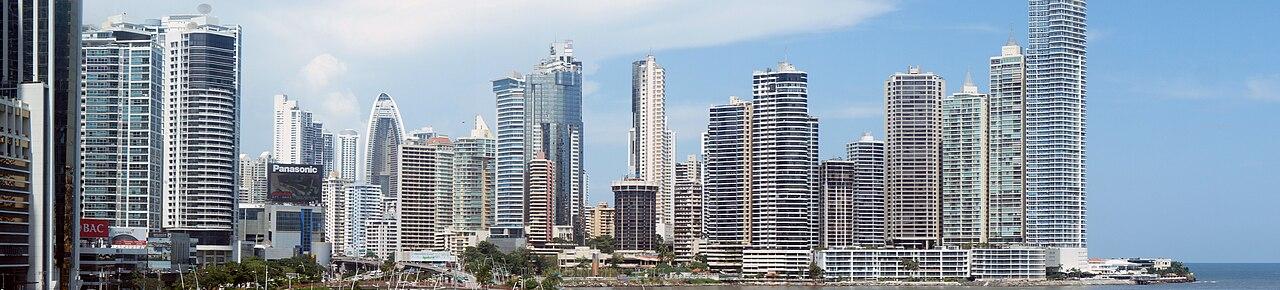
Panama City
Panama City is Central America's most cosmopolitan and most internationally connected capital -- a dollarised financial hub with a Singapore-like skyline along the Panama Bay, anchored by the Panama Canal, the Colon Free Zone, and one of Latin America's most active banking sectors. The city has long attracted retirees on the Pensionado Programme, finance professionals, and capital seeking dollar-denominated emerging-market exposure. Residential prices in prime districts (Costa del Este, Punta Pacifica, San Francisco, El Cangrejo, Bella Vista) range from USD 2,000-4,500 per square metre, with gross yields of 6-9%. Panama uses the US dollar as its currency (alongside the symbolic Balboa), eliminating FX risk entirely for USD-based investors -- a rare feature in Latin America. For international buyers, Panama City offers USD-denominated everything, open foreign ownership, the Pensionado retiree visa (renewable, generous benefits), and a deep institutional banking sector. The catch: tropical climate (hot/humid year-round), some areas overbuilt during the 2010s boom, and rental tenant pool is thinner than Mexico City.
8 min read
Neighborhood deep-dives
View all neighborhood guides →Boquete
Alto Boquete
A cooler, elevated district of mountain homes, gated communities and coffee fincas above the town, prized for panoramic valley views
Boquete
Bajo Boquete
The walkable downtown of Panama's famous highland town, the commercial and social hub for its large North American and European expat community
Panama City
Casco Viejo
Panama City's UNESCO-listed colonial Old Town, boutique hotels, cobblestoned streets, premium short-let, and Panama's most-photographed quarter.
Panama City
Costa del Este
Panama City's master-planned premium family district, gated security, top private schools, and the city's modern residential growth quarter.
How INTRIC Supports Your
Panama Investment
INTRIC does not sell property. INTRIC helps members make better decisions before committing capital.