Property Investment Guide
Germany
Europe's largest rental market, institutional stability, and long-term resilience
Market Type
Core, institutionally dominated rental market
Risk Profile
Low
Germany is Europe's largest and most structurally resilient residential property market, underpinned by strong rule of law, deep rental culture, and long-term domestic demand rather than speculation or foreign-buyer cycles. For global investors, Germany is typically positioned as a core, defensive real-asset allocation within Europe.
Ideal For
- HNWIs seeking capital preservation and income stability
- Family offices allocating to core European residential assets
- Investors comfortable with regulated rental markets
- Buyers prioritising governance, transparency, and liquidity
- Capital allocators balancing growth markets with defensive assets
Consider Carefully If
- • High-yield or speculative strategies
- • Short-term trading or flipping
- • Investors seeking lifestyle-driven second homes
Why invest in Germany?
Key factors driving global investor interest in Germany property.
Deep, structurally supported rental demand
Germany is a nation of renters. Key drivers include cultural acceptance of long-term renting, high urban mobility, strong tenant protections, and stable employment base. This creates exceptionally durable rental demand across cycles.
Strong legal framework and tenant stability
Germany offers highly transparent land registry systems, predictable contract enforcement, and long-term tenancy structures. While regulation caps upside, it significantly reduces downside risk, attractive to capital-preservation investors.
Institutional market depth and liquidity
Germany hosts one of the largest institutional residential markets globally, active secondary transactions, and long-term pension and insurance capital participation. This provides exit liquidity and valuation transparency.
Key Investment Locations
Prime areas attracting international property investors in Germany.
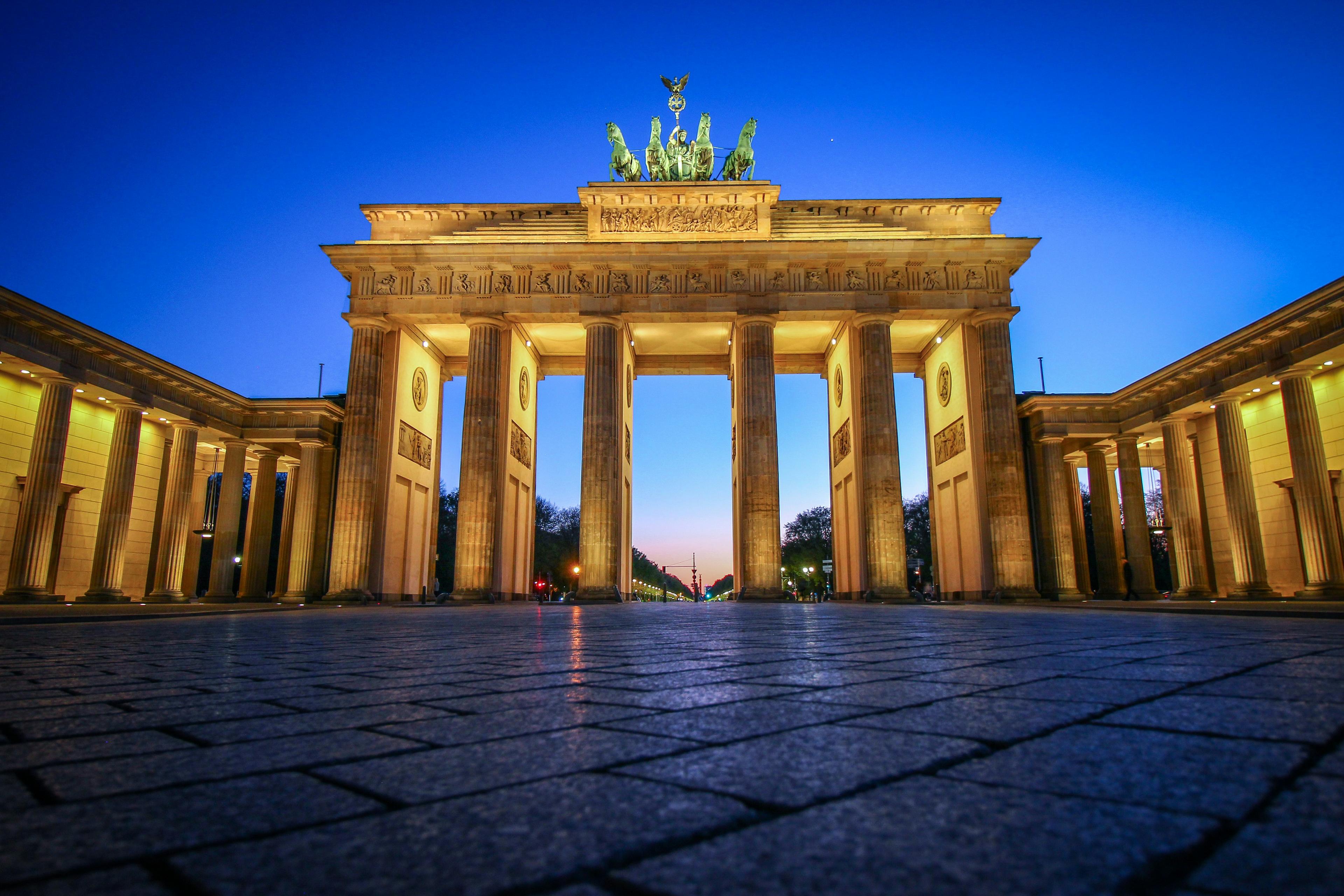
Berlin
Germany's political and cultural capital with large population, strong rental demand, and long-term urban growth.
→ Income stability and long-term urban relevance
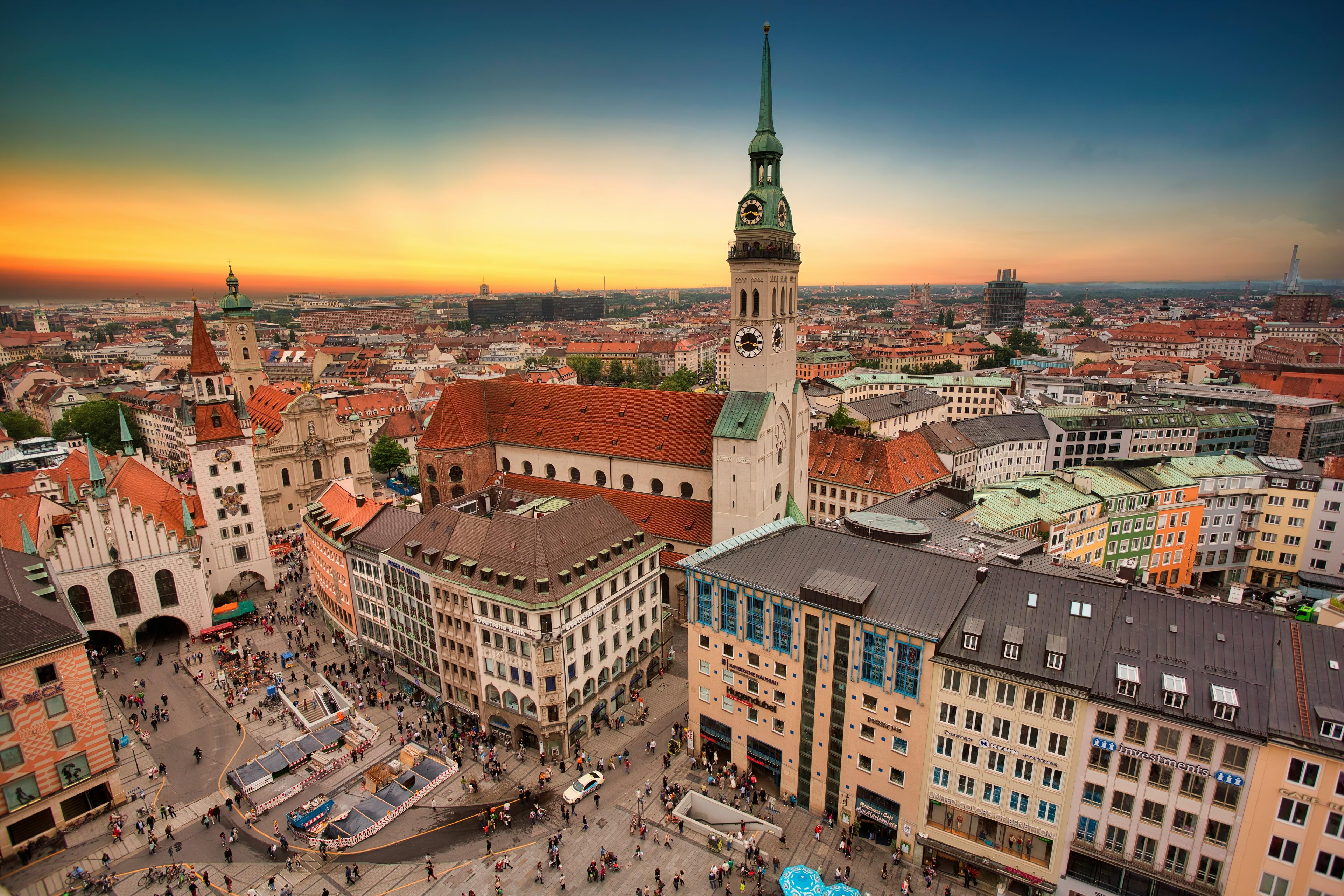
Munich
Germany's most expensive residential market with strong corporate presence and severe undersupply.
→ Capital preservation and ultra-low vacancy strategies
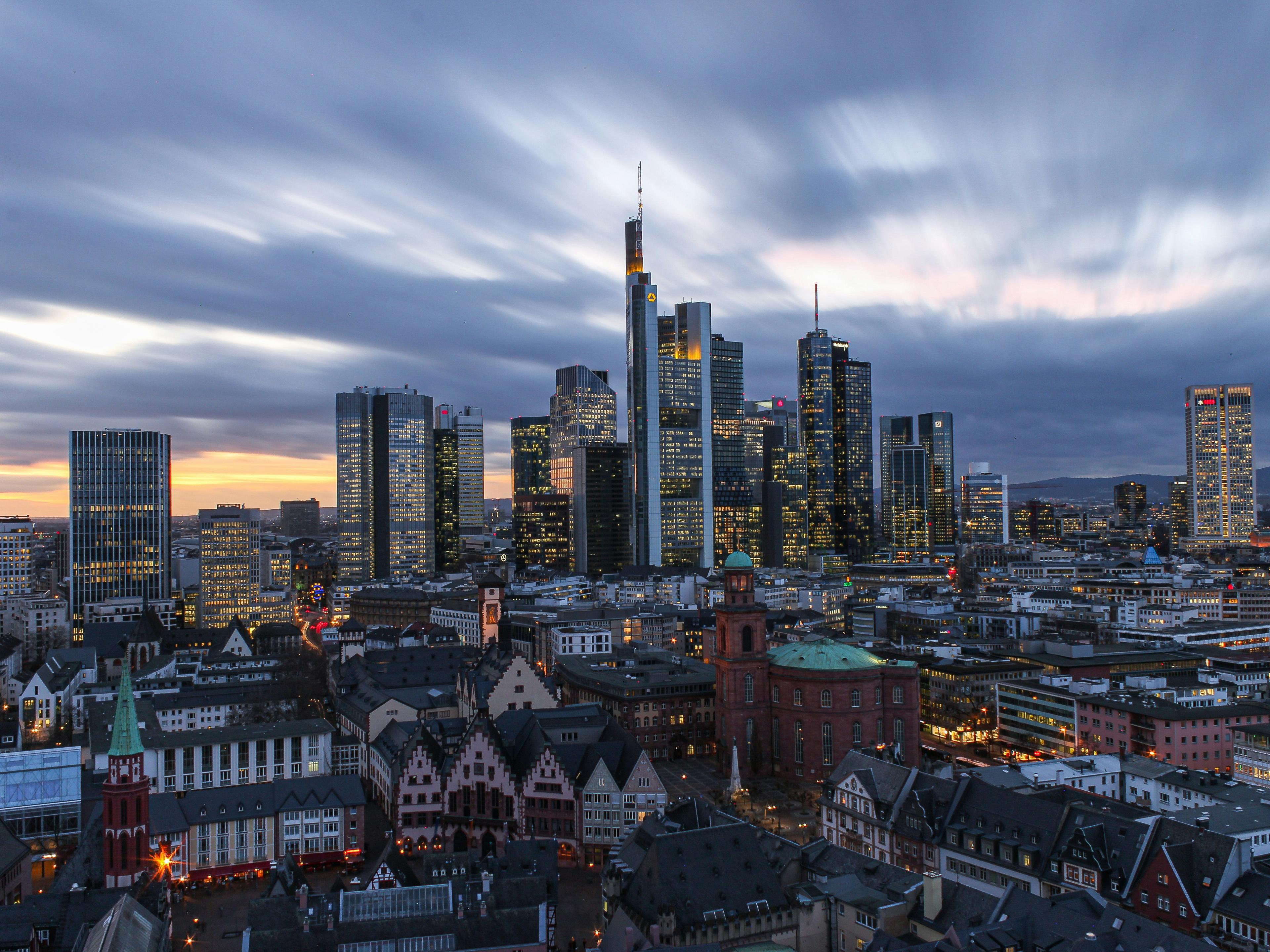
Frankfurt
Germany's financial centre with strong professional rental demand and international workforce.
→ Liquidity and income visibility
Hamburg & Regional Cities
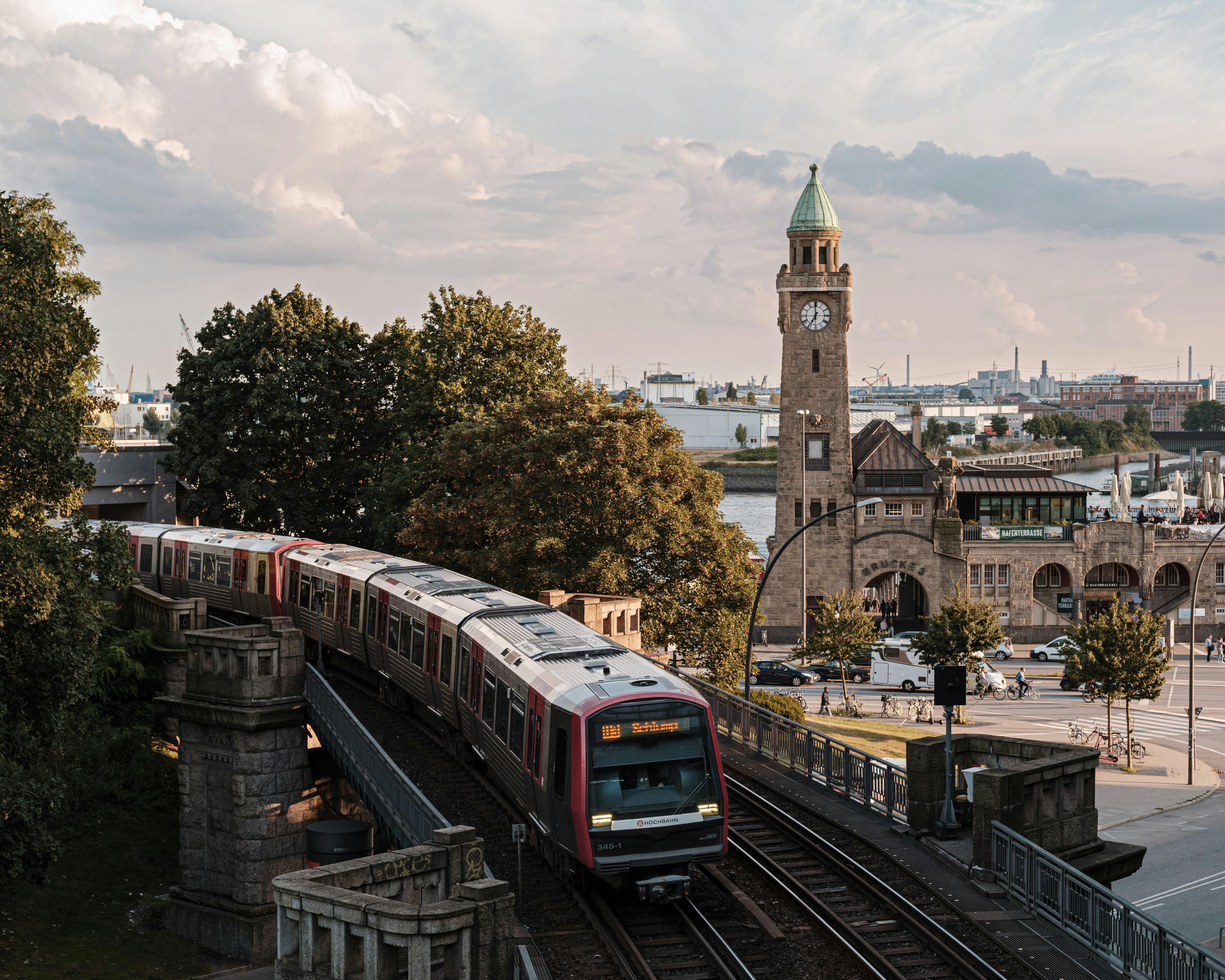
Cities including Hamburg, Dusseldorf, and Stuttgart with diversified economies and strong domestic demand.
→ Balanced income-and-preservation strategies
Investment Strategies
Common approaches for Germany property investment.
Long-term buy-to-rent residential
Investors focus on multi-family residential buildings, long-term tenancy structures, and professional management. Returns are driven by stable income and gradual appreciation, not turnover.
Core capital preservation allocation
Germany is often used as a defensive anchor within European portfolios and a hedge against volatility in emerging or lifestyle markets.
Urban regeneration and energy upgrades (advanced)
Some investors target value creation through energy efficiency upgrades and modernisation of older housing stock. This strategy requires deep regulatory and technical expertise.
Where Capital is Flowing
- Cities with diversified employment bases
- Assets aligned with long-term rental demand
- Buildings with upgrade potential under new energy standards
- Locations attractive to institutional buyers
Key Considerations
- Rent control and regulatory limits
- Energy efficiency and retrofit requirements
- Slower price appreciation relative to growth markets
- High transaction costs in some regions
Read before you invest in Germany
Buying process, city deep-dives, and on-the-ground neighborhood intelligence
Country buying guide
View all buying guides →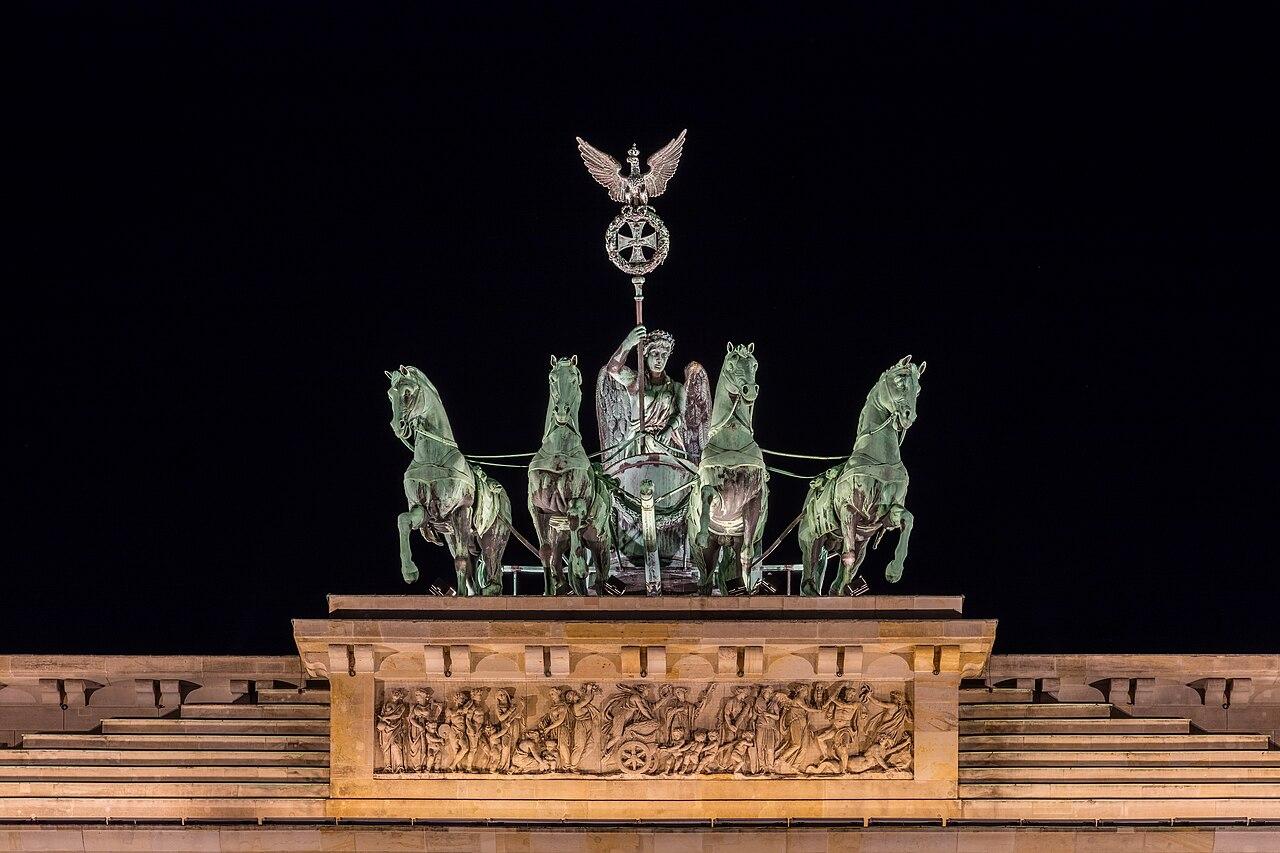
Buying Guide
Germany Investor Guide
Investing in Europe's Largest Economy -- Berlin, Munich, Frankfurt, and the German Real Estate Market
City guides
View all city guides →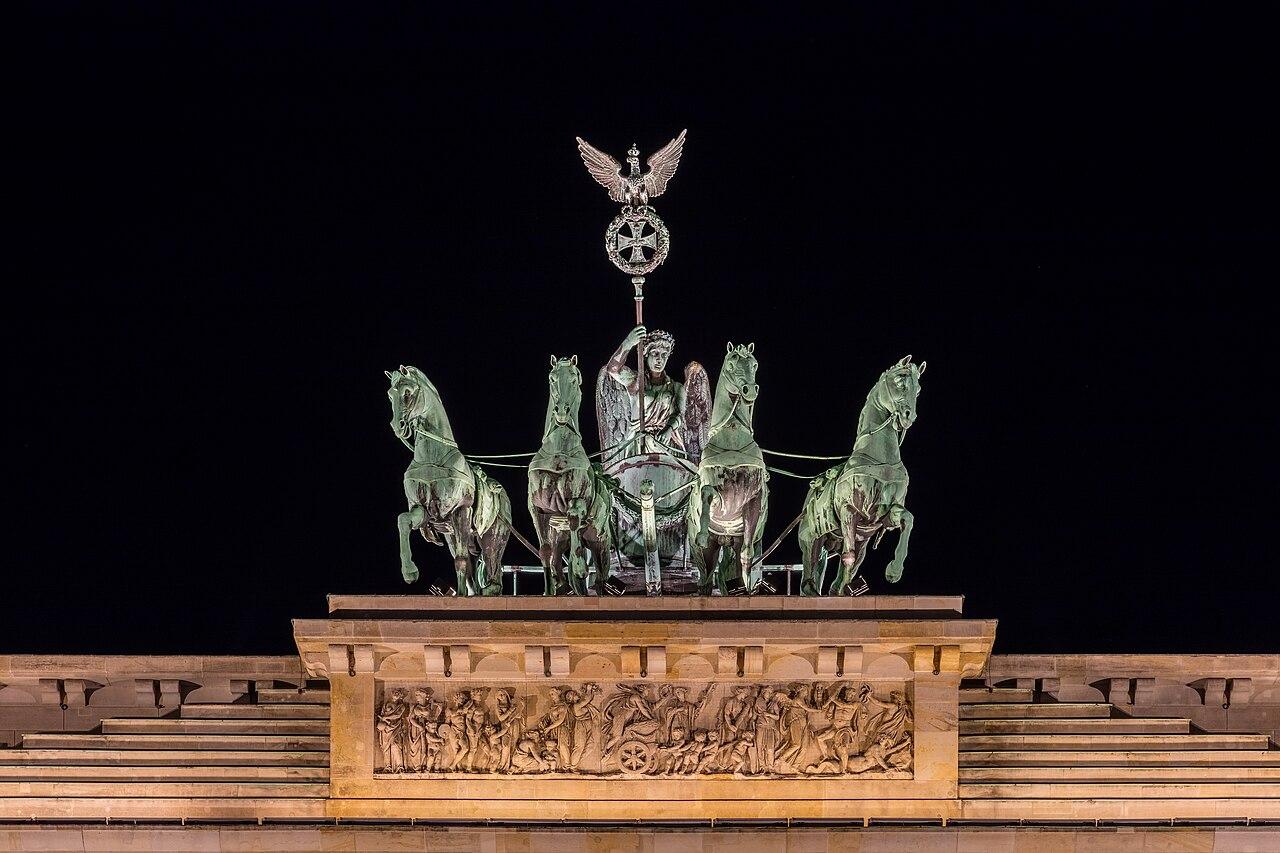
Berlin
Berlin is Europe's capital of creativity and one of its most resilient property markets. Germany's largest city by population (~3.8 million) and the political heart of the EU's largest economy, Berlin has transformed over three decades from a divided post-Cold War curiosity into a global hub for startups, art, music and progressive urbanism. The property market is anchored by strong tenant protections, a chronic supply shortfall, and rising rents that consistently outpace national averages. Average prices in central districts run EUR 5,500-9,500 per square metre, with rental yields of 3.2-4.5% gross. The 2025 federal coalition's housing legislation extending Mietpreisbremse rent controls through 2029 keeps yield compression real -- but the structural undersupply (Berlin needs ~20,000 new units per year and consistently builds half that) keeps capital values trending up. For international investors, Berlin offers EU-grade legal certainty, deep liquidity, English-speaking professional services, and a market that proved its defensive credentials during the 2022-24 rate cycle. The catch: yields are thin and tenant law tilts heavily toward the tenant. Best suited to long-term capital preservation buyers rather than yield hunters.
8 min read
Cologne City Guide
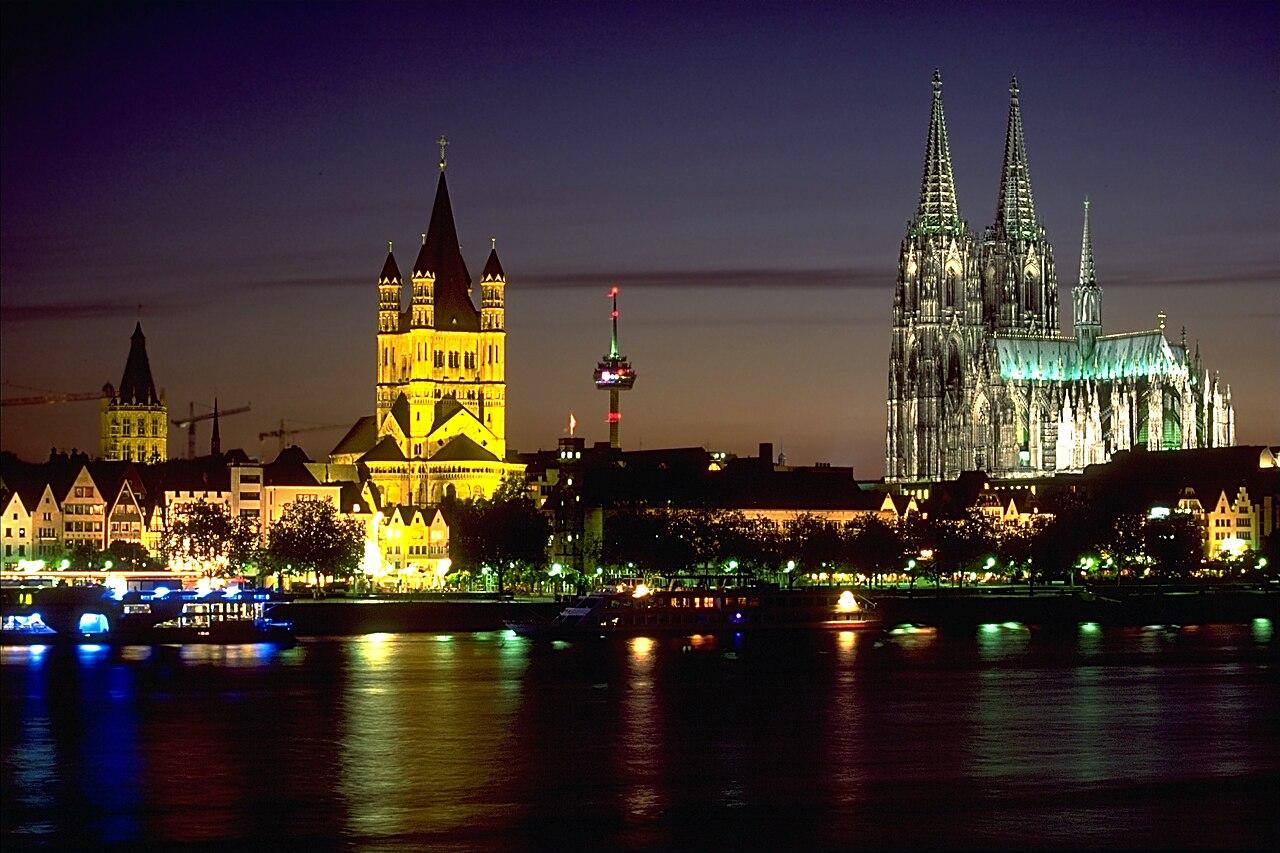
North Rhine-Westphalia's largest city and the cultural and media heart of the Rhineland, Cologne offers international investors a deep, liquid residential market within Germany's most populous metropolitan region, Rhine-Ruhr. The city's economy blends media and broadcasting, insurance, logistics and a major trade-fair complex, supporting steady, broad-based rental demand. Prime values concentrate in leafy Lindenthal and the central Innenstadt and Neustadt, where existing apartments trade around €4,200–€4,330 per square metre and new-build stock reaches roughly €7,310 per square metre; mid-market gentrifiers Ehrenfeld and Nippes, among the German neighbourhoods forecast to see the strongest 2026 price growth, combine accessibility with appreciation potential. Cologne's market-active vacancy rate sits between 0.5% and 1.2%, with near-zero effective vacancy in high-demand quarters such as Ehrenfeld and Neustadt. Rents remain anchored by the official Mietspiegel, keeping gross yields modest at roughly 3.0% citywide (a 2.3–4.2% spread driven primarily by location). With prices up about 5% year-on-year as the market recovers from the 2022–2023 correction, mortgage rates stabilising, and a base-case five-year cumulative growth estimate near 20%, Cologne enters 2026 as a steady, income-and-growth core market for buyers prioritising liquidity and tenant depth.
7 min read
Düsseldorf City Guide
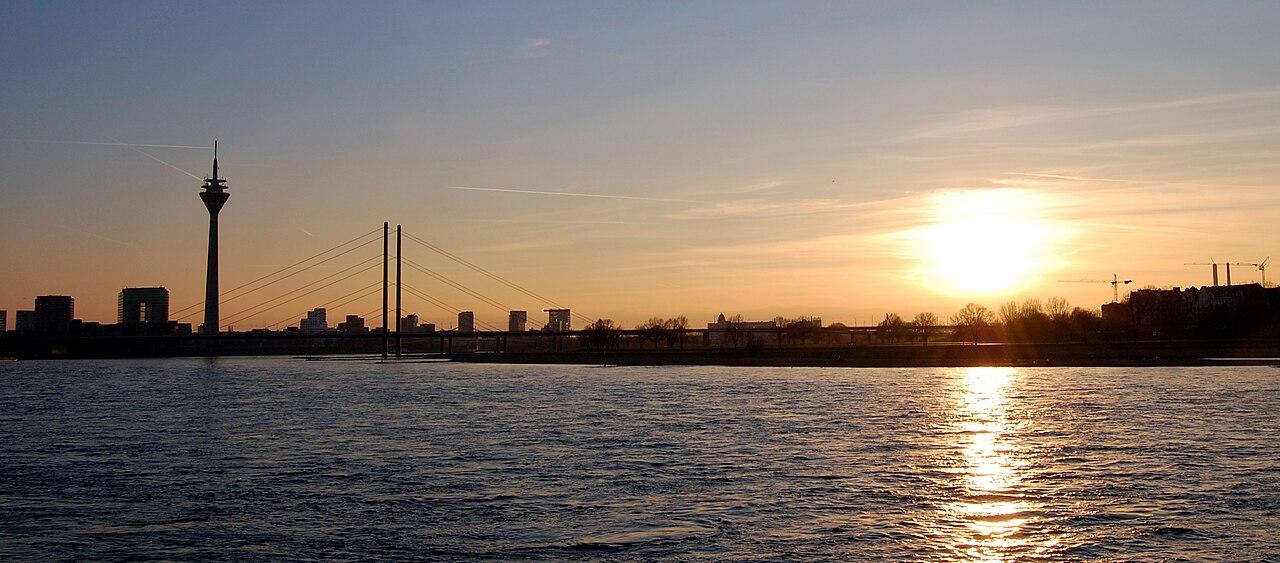
The capital of North Rhine-Westphalia and one of Germany's wealthiest cities, Düsseldorf is a finance, fashion, advertising and telecommunications centre with a notable Japanese business community and a prestige address book that rivals any in the country. The riverfront Oberkassel quarter on the Rhine's left bank commands the city's highest values, often above €6,600 per square metre, while prime central districts such as Carlstadt, Pempelfort, Derendorf, Golzheim and Unterbilk combine cosmopolitan lifestyle with persistently low vacancy. Citywide, the median price sits around €4,300 per square metre and the average near €4,470, with the market regaining momentum after the 2022–2023 correction. Rents are climbing a steady 3–4% per year against very low vacancy, producing gross yields of roughly 2.9–4% (a price-to-rent ratio of 25–35). Infrastructure-led demand is concentrating in the northern airport corridor near Freiligrathplatz and the left-bank neighbourhoods of Lörick and Heerdt. With well-located, energy-efficient apartments projected to deliver 35–50% five-year total returns and a deep base of corporate and international tenants, Düsseldorf enters 2026 as a prime, stable core market favouring capital preservation and reliable income over speculative growth.
7 min read
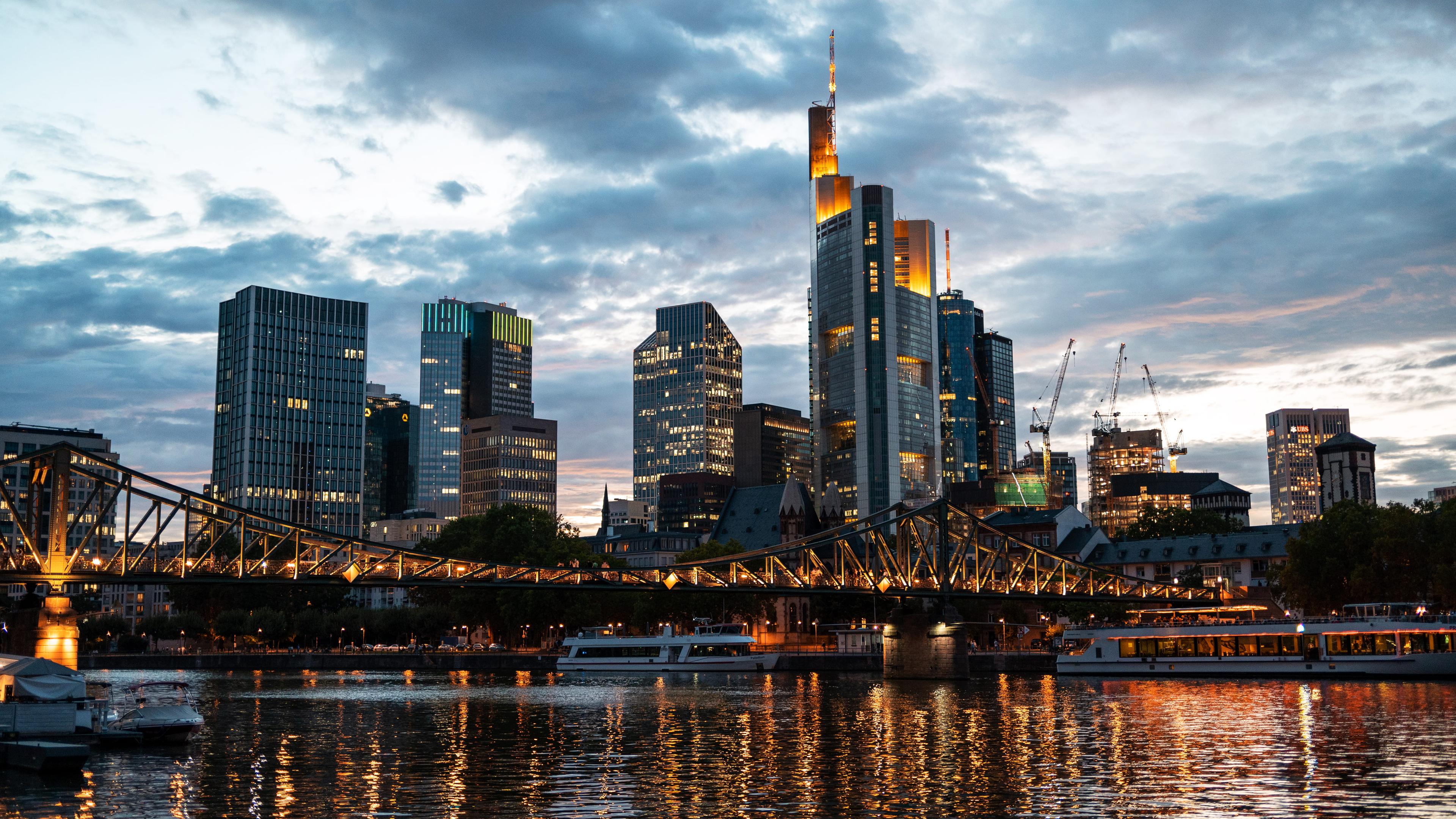
Frankfurt
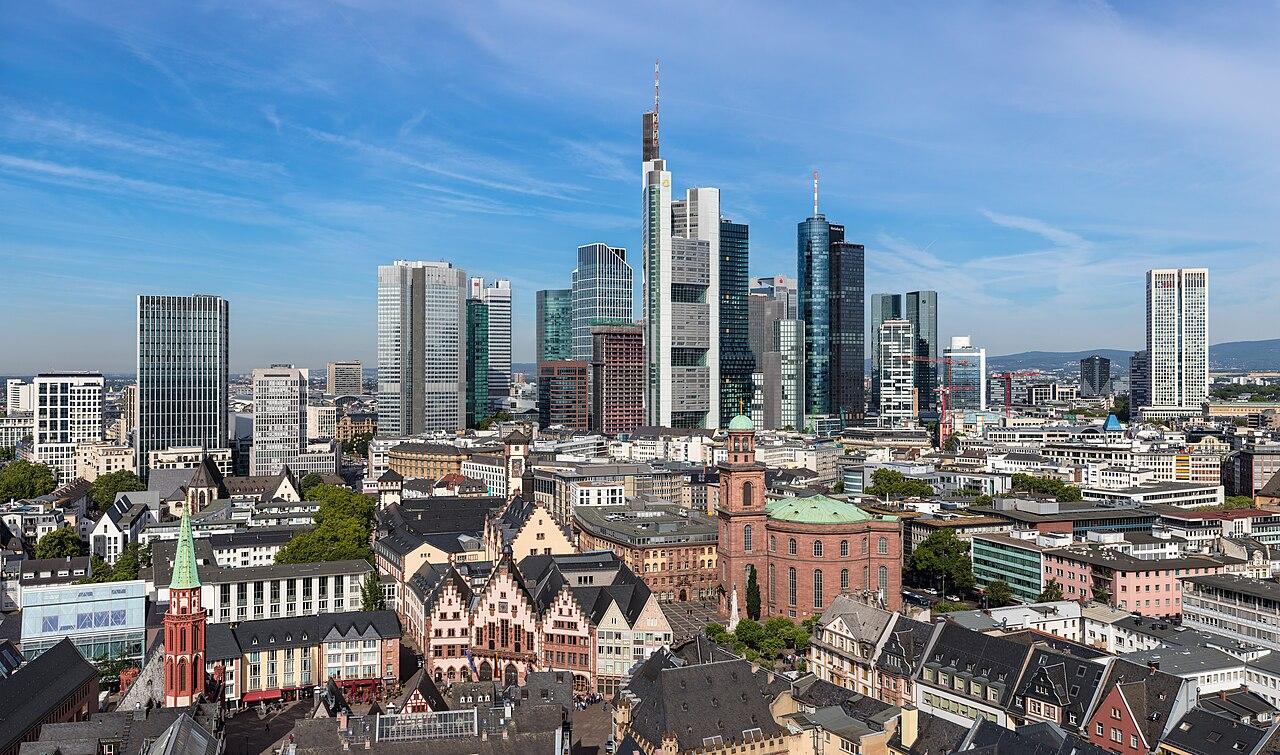
Frankfurt is continental Europe's financial capital and home to the European Central Bank, Deutsche Bank, Commerzbank, and the post-Brexit beneficiaries of London's banking exodus (JPMorgan, Goldman Sachs, Morgan Stanley have all expanded EU operations here). Property prices reflect this concentrated wealth: city-centre residential runs EUR 6,500-12,500 per square metre with rental yields of 3.0-3.8% gross. Frankfurt punches well above its 770,000-resident population thanks to a daily commuter influx of more than 350,000 financial professionals. This drives premium rental demand in city-centre apartments and prime suburban houses in Westend, Sachsenhausen, and Nordend. The city's skyline -- the only true skyscraper cluster in continental Europe -- gives it an Americanised feel that institutional capital finds reassuring. For international buyers, Frankfurt offers ECB-grade liquidity, an English-speaking professional environment, deep transport links via Frankfurt Hauptbahnhof and FRA airport (Europe's 3rd-busiest), and consistent demand from financial services tenants who pay above-market rents. Risk: high concentration in financial sector cycles.
8 min read
Hamburg City Guide
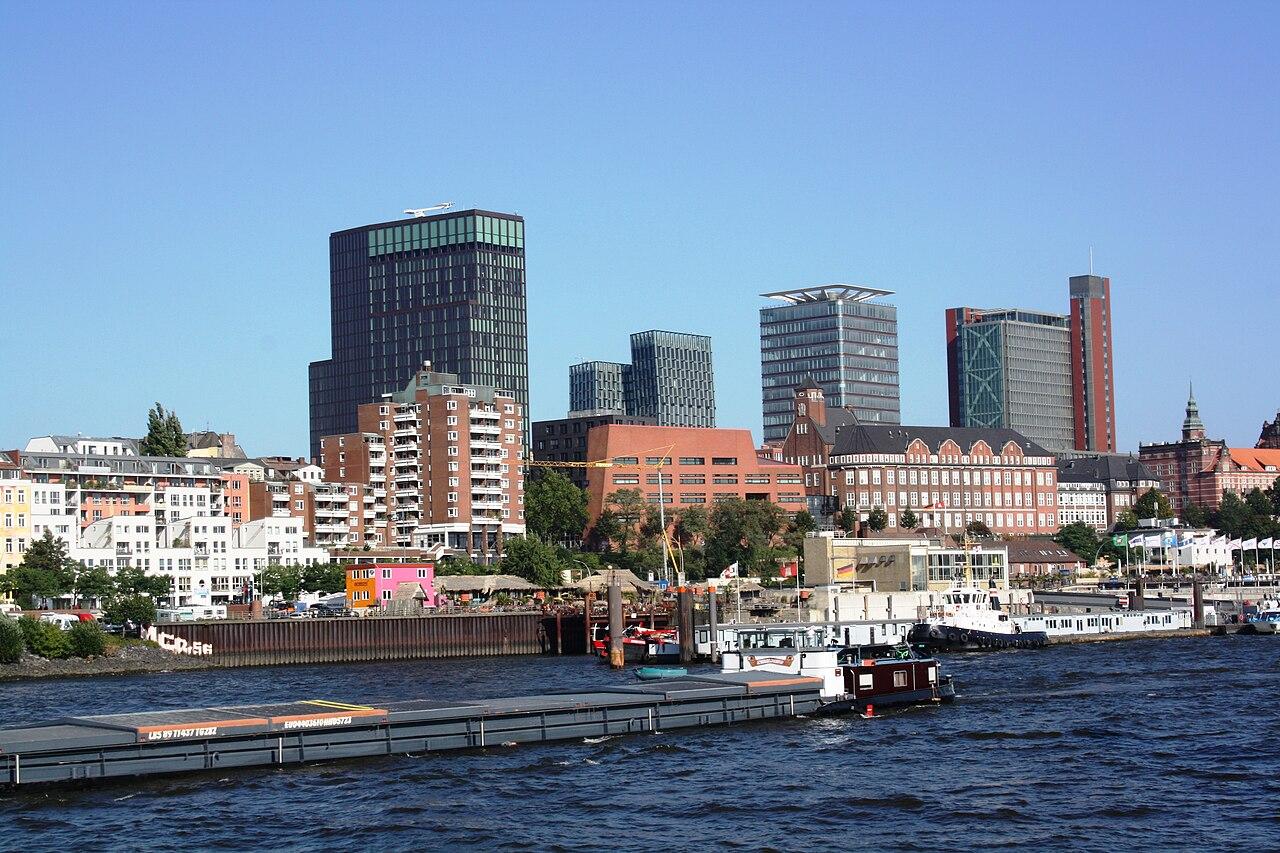
Germany's second-largest city and its richest by GDP per capita, Hamburg pairs the commercial heft of Europe's third-busiest container port with one of the country's most resilient residential markets. From the canal-laced affluence of Harvestehude and Rotherbaum, through the waterfront regeneration of HafenCity, the largest inner-city development project in Europe, to the gentrifying creative quarters of Eimsbüttel, Winterhude and Altona, the city offers international buyers a stable, transparent market underpinned by structural undersupply. Hamburg's vacancy rate sits at roughly 0.5%, among the lowest in Germany, while the metropolitan region is expected to surpass two million residents by 2030, sustaining a chronic gap between household formation and new-build completions. New-contract rents are rising an estimated 3–5% year-on-year, and major infrastructure, the U5 metro line and the Science City Bahrenfeld research cluster, is reshaping demand corridors in the city's west and north. With prices recovering modestly after the 2023 correction and a deep, diversified economy spanning media, logistics, aerospace (Airbus) and renewable energy, Hamburg enters 2026 as a core-stable hold for income-focused investors who prioritise capital preservation and near-zero void risk over speculative upside.
7 min read
Munich
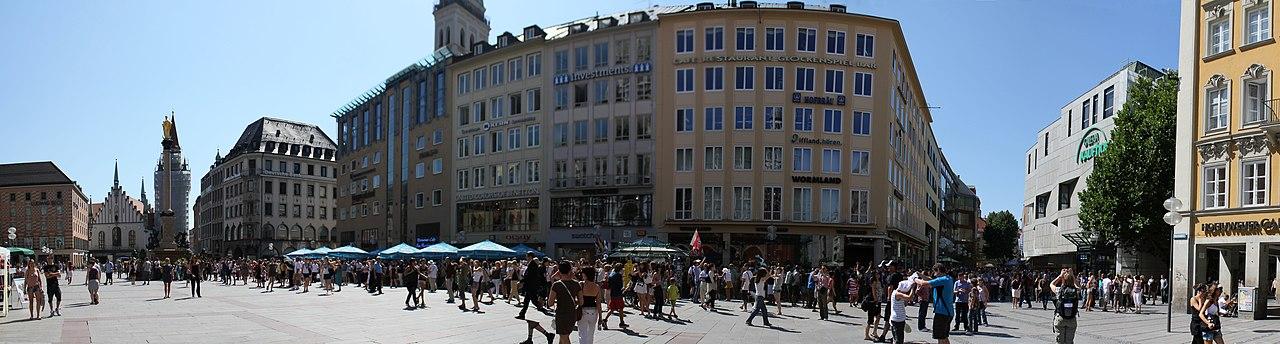
Munich is Germany's most expensive city and its strongest property market on a fundamentals basis. The Bavarian capital combines blue-chip corporate employers (BMW, Siemens, Allianz, MunichRe), Germany's lowest unemployment, and a constrained land supply hemmed in by Alpine geography. The result is a market where average residential prices have nearly tripled since 2010 and gross yields have compressed below 3% in central districts. Prices in core neighborhoods like Altstadt-Lehel, Maxvorstadt and Schwabing range from EUR 9,500 to EUR 18,000 per square metre. Outer ring districts offer EUR 6,500-9,000 per sqm. Rental yields run 2.8-3.5% gross -- the lowest in Germany -- but with the strongest rental demand and the most defensive tenant base (professionals on Bavarian salaries are roughly 20% above the German average). For international buyers, Munich is a pure capital-preservation play with currency-hedged Eurozone safety and an A+ tenant pool. Yield-focused investors should look elsewhere; long-term wealth-protection buyers consistently rank Munich as a top-3 European destination alongside Zurich and Geneva.
8 min read
Neighborhood deep-dives
View all neighborhood guides →Berlin
Charlottenburg
Old West Berlin's polished heart, Kurfurstendamm shopping, the KaDeWe department store, Charlottenburg Palace, and the established residential heart of the western city.
Berlin
Friedrichshain
East Berlin's young heart, RAW Gelande's club scene, the East Side Gallery, and Berlin's tech-startup capital around Mediaspree.
Berlin
Kreuzberg
Berlin's countercultural soul, a multicultural, working-class-rooted district that defines the city's creative, nightlife, and street-art identity.
Berlin
Lichterfelde
A tranquil, tree-lined villa suburb in Berlin's affluent south-west, prized for its 19th-century Villenkolonie, abundant greenery and reliable S-Bahn access to the centre.
Berlin
Mitte
Berlin's historic and political centre, government quarter, Museum Island, Brandenburg Gate, and the densest concentration of tourism and high-end residential in the city.
Berlin
Prenzlauer Berg
Berlin's family capital, beautifully preserved Altbau architecture, cobblestoned streets, and Europe's highest concentration of cafes and young parents.
Cologne
Altstadt
Cologne's medieval heart, where the cathedral, Rhine promenade and Koelsch brewhouses meet on cobbled lanes
Cologne
Belgisches Viertel
Cologne's most fashionable quarter, a dense grid of boutiques and bars around Brüsseler Platz
How INTRIC Supports Your
Germany Investment
INTRIC does not sell property. INTRIC helps members make better decisions before committing capital.