Property Investment Guide
Czechia
Central European stability, Prague liquidity, and resilient rental demand
Market Type
Core EU residential market
Risk Profile
Low
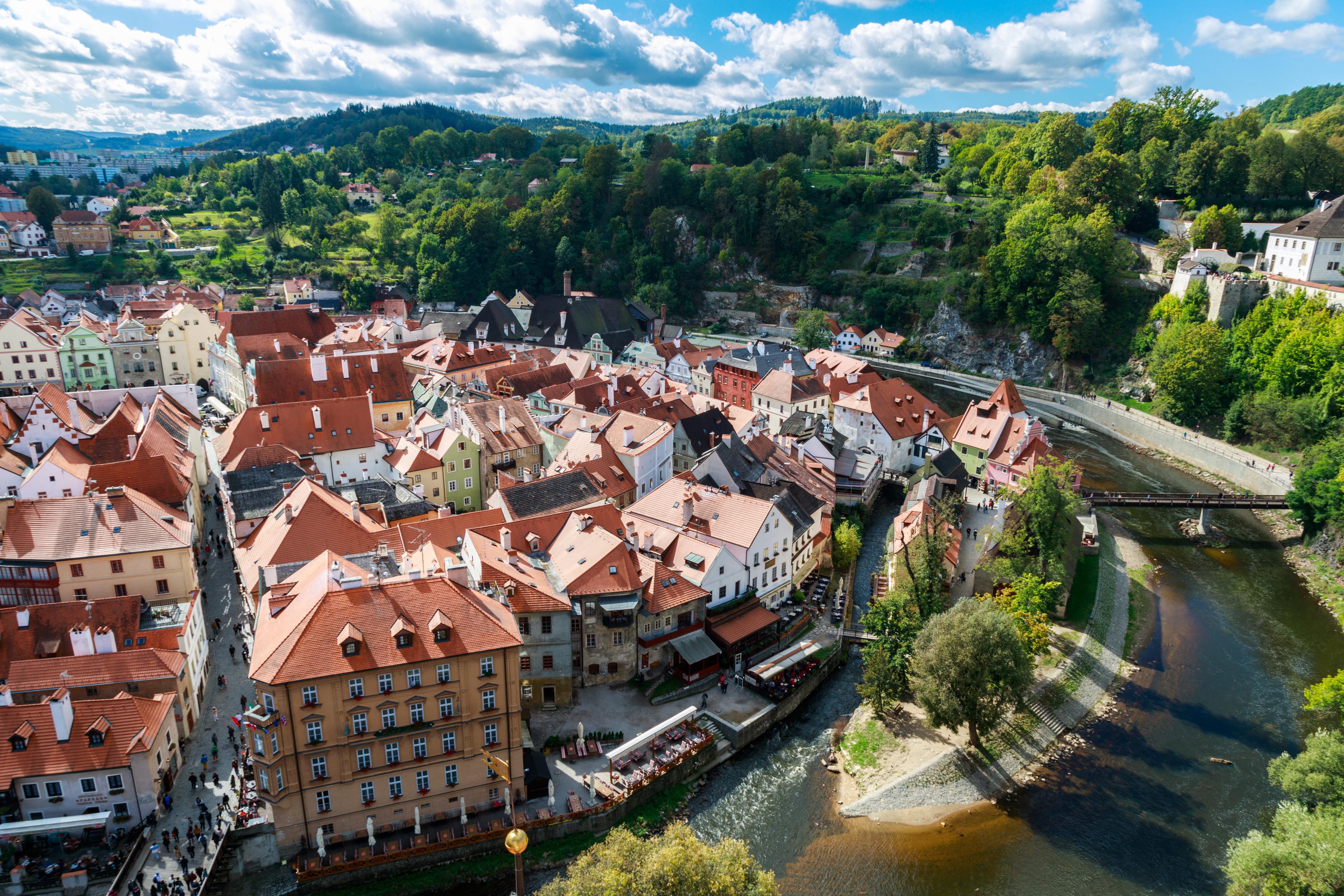
Czechia is one of Central Europe's most mature, liquid, and institutionally trusted residential property markets, underpinned by EU membership, strong domestic demand, and one of Europe's most supply-constrained capital cities. For global investors, Czechia is typically positioned as a core Central European allocation, offering resilience, rental depth, and long-term value retention.
Ideal For
- HNWIs seeking EU exposure with strong rental fundamentals
- Family offices allocating to core European residential assets
- Investors prioritising liquidity and jurisdictional safety
- Buyers focused on long-term rental income and preservation
- Capital allocators diversifying beyond Western Europe
Consider Carefully If
- • High-yield frontier strategies
- • Speculative development or rapid price appreciation
- • Lifestyle-only second-home investments
Why invest in Czechia?
Key factors driving global investor interest in Czechia property.
Prague's structural housing undersupply
Prague consistently faces slow planning and permitting processes, limited new residential supply, and strong demand from domestic and international residents. This imbalance supports long-term price resilience and rental growth.
Strong and diversified rental demand
Rental demand is driven by young professionals and skilled workers, international companies and EU institutions, and large student population. This creates stable, multi-segment tenant demand across cycles.
Relative value within Europe
Compared to cities like Munich, Vienna, or Amsterdam, Prague offers lower absolute pricing, comparable rental depth, and strong international appeal. This creates a value gap within core Europe.
Key Investment Locations
Prime areas attracting international property investors in Czechia.
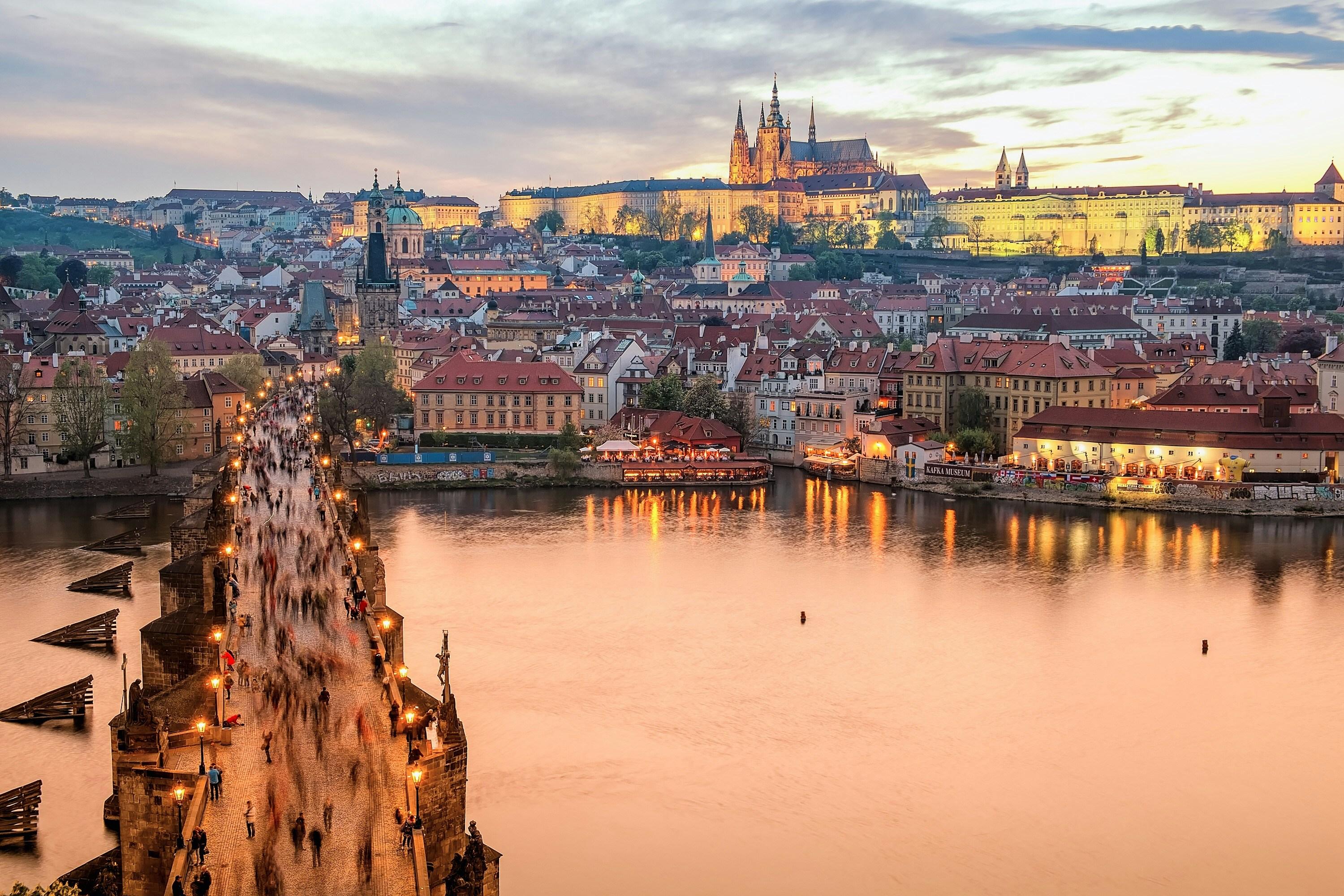
Prague
The clear centre of Czechia's property market with deep liquidity, international demand, and historic scarcity.
→ Liquidity, preservation, and rental depth
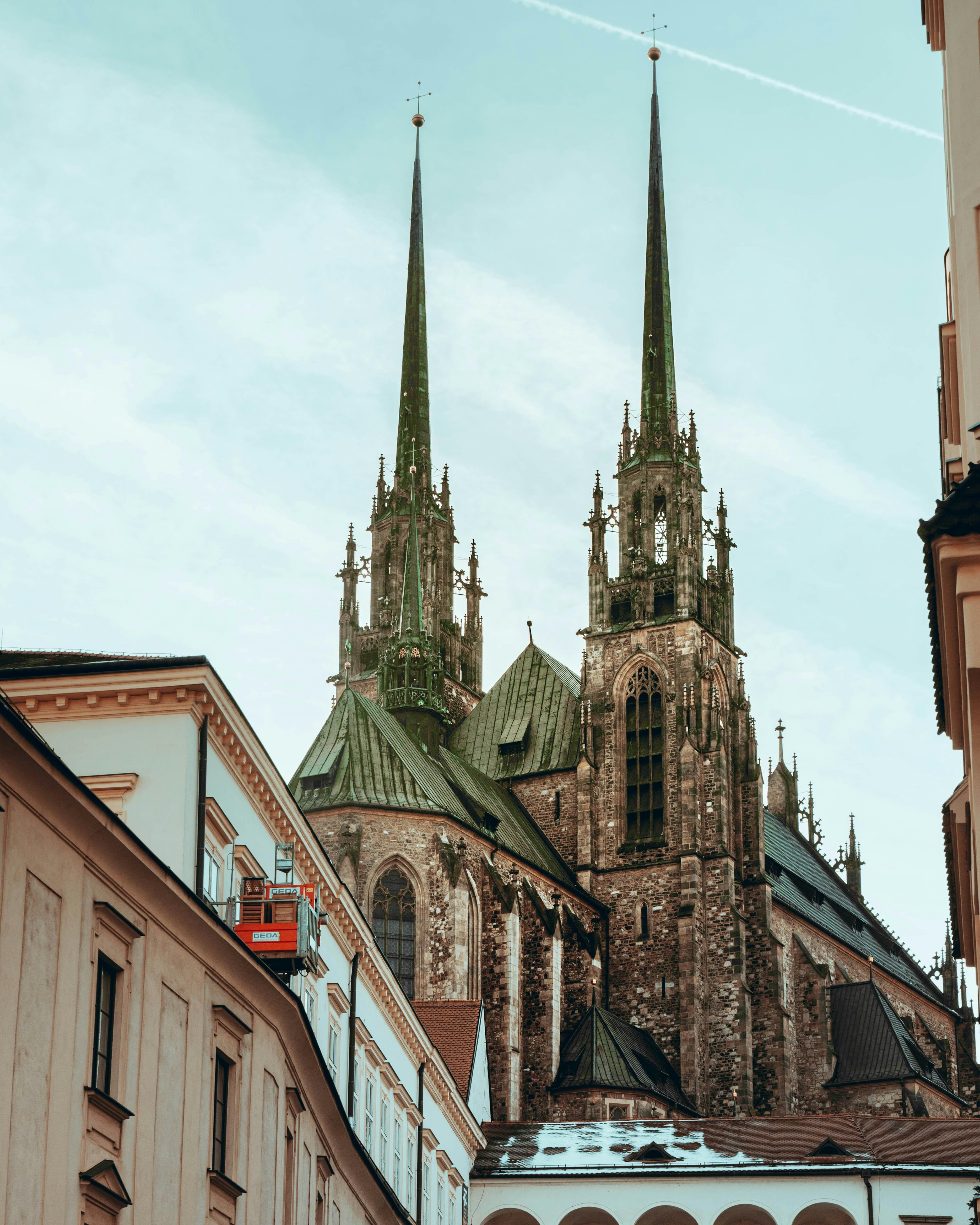
Brno
Czechia's second-largest city and innovation hub with strong university presence and tech sector growth.
→ Yield-oriented regional exposure
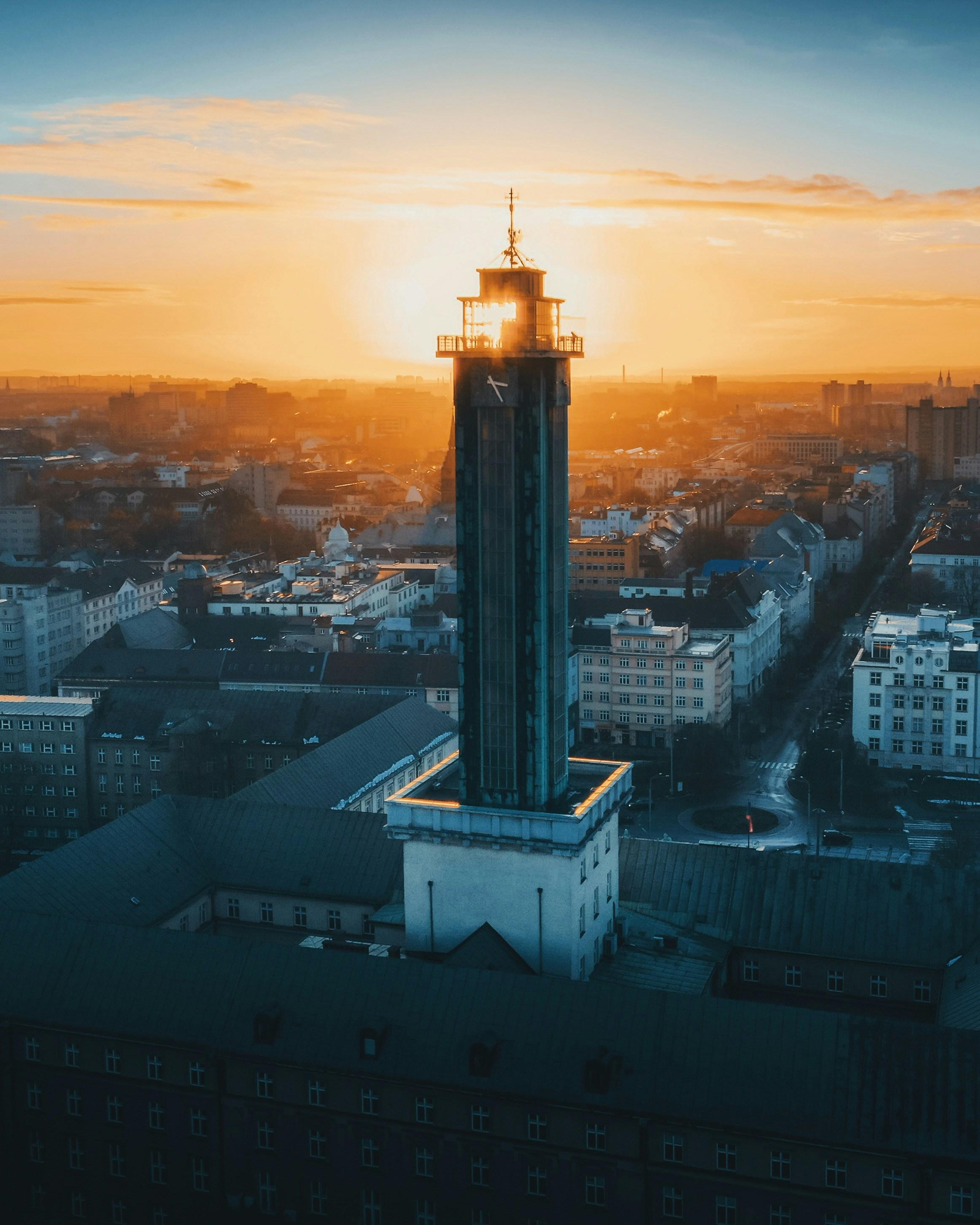
Regional Cities
Cities including Plzen and Olomouc offering stable domestic demand and lower entry points.
→ Yield-focused strategies
Investment Strategies
Common approaches for Czechia property investment.
Buy-to-rent residential property
Investors focus on apartments in Prague and major cities, proximity to employment centres and universities, and professionally managed assets. Returns are driven by rental income and long-term appreciation.
Capital preservation within EU portfolios
Many investors use Czechia as a Central European anchor and a lower-volatility complement to Western Europe.
Urban renovation and heritage assets (advanced)
Some investors target renovated historic apartments and central districts with architectural scarcity. These strategies require local expertise but offer strong resale appeal.
Where Capital is Flowing
- Prague core and well-connected districts
- Assets aligned with professional tenant demand
- Properties with enduring architectural and location appeal
- Markets with strong secondary-market liquidity
Key Considerations
- Tight supply leading to competitive pricing
- Regulatory controls on short-term rentals
- Interest-rate sensitivity
- Lower yields relative to emerging markets
Read before you invest in Czechia
Buying process, city deep-dives, and on-the-ground neighborhood intelligence
Country buying guide
View all buying guides →
Buying Guide
Czech Republic Investor Guide
Navigate Central Europe's most stable post-transition market -- zero transfer tax, EU access, and growing yields in Prague, Brno and Ostrava
City guides
View all city guides →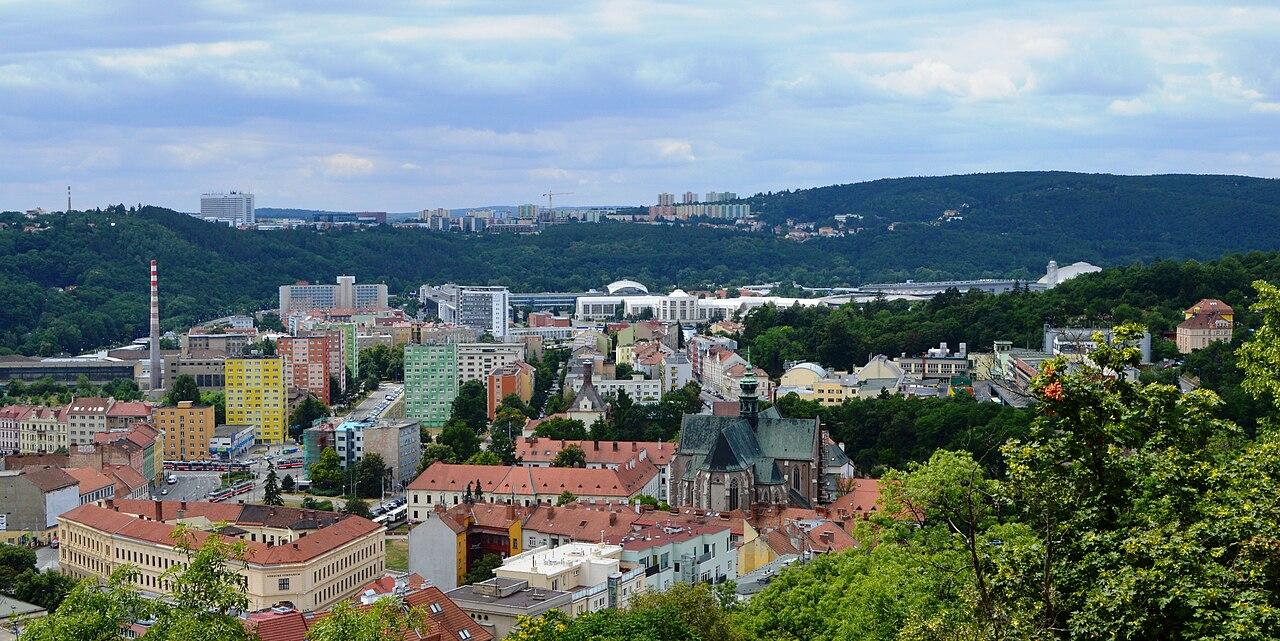
Brno City Guide
The Czech Republic's second city and its leading technology and university hub, Brno pairs a deep, low-vacancy rental market with appreciation that has lately outpaced Prague in percentage terms. Average apartment prices crossed CZK 116,400 per square metre (about EUR 4,750) in 2025, with a typical flat reaching CZK 9.3 million, still meaningfully cheaper than the capital, where comparable stock sells for roughly 40% more. Demand is driven by the Brno University of Technology, Masaryk University, and the Brno Technology Park, home to IBM, Red Hat, and other multinationals; the student and skilled-professional pipeline keeps the central districts tightly occupied. Kralovo Pole, adjacent to the campuses and tech park, is among the fastest-rising neighbourhoods in the country with 8-12% annual price growth, while the historic centre (Brno-stred), Veveri, and Zabovresky offer characterful pre-war stock. Czech secondary-market prices surged around 21% year-on-year nationally in Q3 2025 amid a supply shortage, and Brno's own new-build asking prices reached CZK 141,000 per square metre. With a population near 384,000 and a structural housing deficit, Brno enters 2026 as the country's strongest regional investment market.
7 min read
Prague City Guide
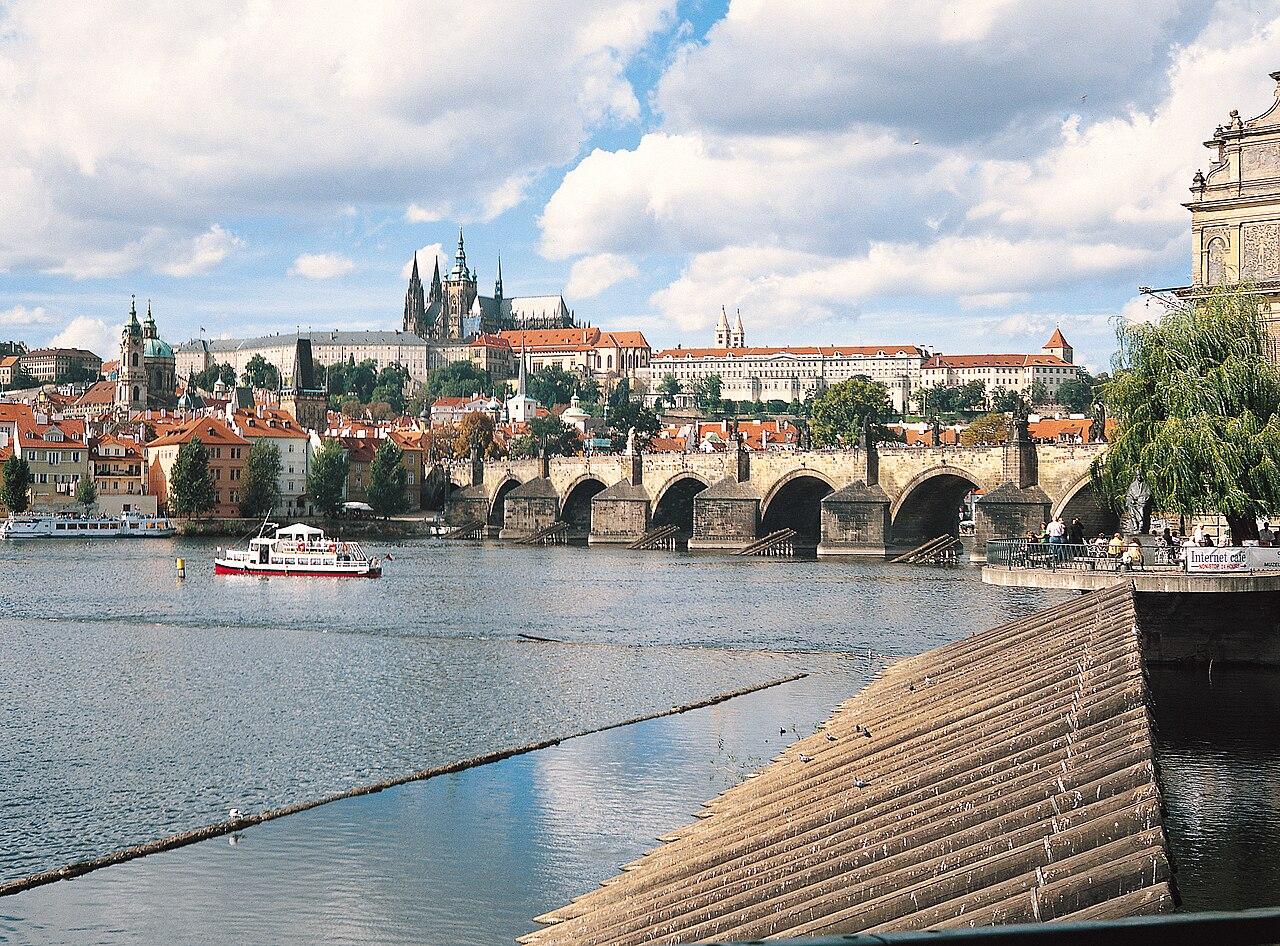
Prague is Central Europe's most expensive residential property market and one of its least affordable relative to local incomes. After a brief 2022–2023 cooling, the market resumed a strong upswing through 2024–2025, with the national house price index growing roughly 10% year-on-year, driven by a chronic housing shortage, slow building-permit approvals, falling mortgage rates and persistent demand. New-build asking prices hit record highs of about €6,700/m² at end-2024, transaction prices for all apartment types reached roughly €5,400/m², and prime central districts (Prague 1 and 2) regularly exceed €8,200/m². The flip side of high prices is low income for investors: Prague's gross rental yields are among the lowest in the CEE region, around 2.8–3.0% citywide, and its price-to-income ratio of roughly 18–19 makes it one of the least affordable capitals in Europe. Prague is therefore a capital-appreciation and capital-preservation play rather than a cash-flow market, buyers accept thin running yields in exchange for a stable EU economy, strong long-term value retention and limited supply that supports prices. For foreign investors the legal environment is unusually open: since 2011 there are no restrictions on foreigners (including non-EU citizens) buying Czech real estate, and the Czech Republic abolished its 4% real-estate-acquisition tax in 2020, lowering entry costs. The main headwinds are the low yields, an emerging crackdown on short-term (Airbnb) letting, and an affordability ceiling that limits how much further prices can run.
8 min read
Neighborhood deep-dives
View all neighborhood guides →Brno
Královo Pole
A family-friendly, tech-connected Brno district by the Technology Park, with top schools and low vacancy
Brno
Stránice
Brno's prestigious villa quarter on the slopes by Kraví hora, a leafy, refined family enclave near the centre
Brno
Veveří
Brno's central university quarter, where historic villas and Masaryk faculties drive low-vacancy rental demand
Brno
Žabovřesky
A green, riverside Brno district west of the centre, family-favoured and flagged for strong price growth
Prague
Karlín
Prague's regeneration darling, a flat, walkable, tech-and-foodie riverside district with strong young-professional demand and above-average growth
Prague
Malá Strana (Lesser Town)
A postcard-perfect, UNESCO-protected Baroque quarter under Prague Castle, a scarce trophy asset with prestige value and minimal yield
Prague
Smíchov
Prague's biggest regeneration frontier, a well-connected business-and-retail hub reshaped by the massive Smíchov City project, with the city's better (still-modest) yields
Prague
Staré Město (Old Town)
Prague's UNESCO-listed medieval heart, the most iconic and scarce address in the country, prized for prestige over rental yield
How INTRIC Supports Your
Czechia Investment
INTRIC does not sell property. INTRIC helps members make better decisions before committing capital.