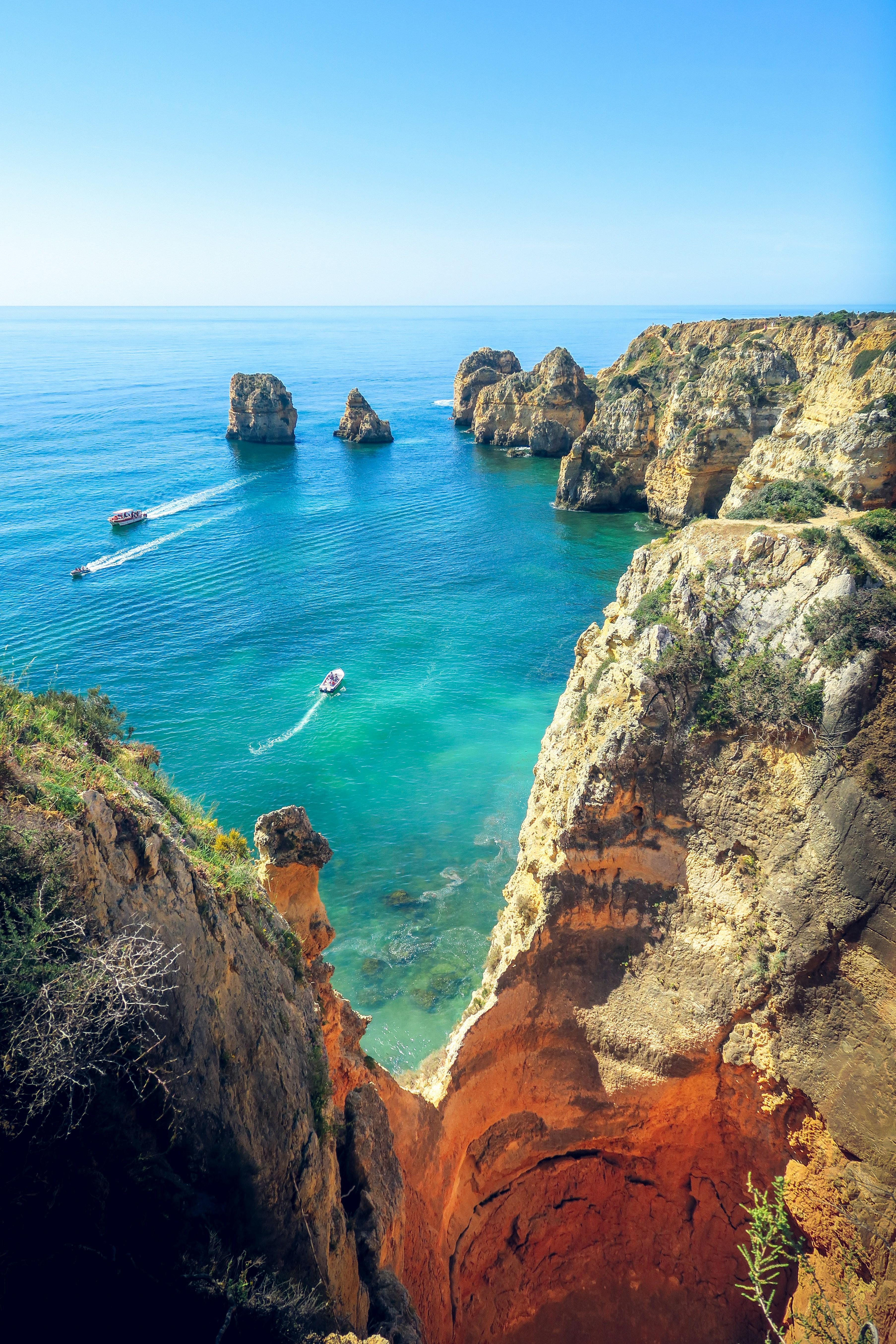
Property Investment Guide
Portugal
Lifestyle-led European market with sustained demand and transparent ownership
Market Type
Lifestyle-led European market
Risk Profile
Low to moderate
Portugal is a European Union country and Eurozone member that has become a major destination for international property investors, second-home buyers, and globally mobile families. For global investors, Portugal is commonly used as a long-term, lifestyle-backed real estate allocation, rather than a short-term speculative market.
Ideal For
- HNWIs and UHNWIs seeking European lifestyle exposure
- Family offices looking for long-term capital preservation
- Investors seeking euro-denominated diversification
- Buyers planning second homes or eventual relocation
- Investors combining personal use with rental income
Consider Carefully If
- • Short-term flipping strategies
- • Investors seeking rapid price acceleration
- • Purely yield-maximising strategies without lifestyle considerations
Why invest in Portugal?
Key factors driving global investor interest in Portugal property.
Inbound migration and international demand
Portugal attracts long-term residents and lifestyle migrants from the UK, France, Germany, Northern Europe, the United States, Brazil, and increasingly Asia and the Middle East. This creates structural housing demand beyond local buyers.
Tourism-supported rental demand
Portugal's tourism sector supports short-term rentals in Lisbon, Porto, and Algarve, as well as medium-term rentals for digital workers and relocators. Tourism demand is diversified geographically and seasonally.
Political stability and rule of law
Portugal offers strong legal protections, transparent property ownership, EU regulatory alignment, and low geopolitical risk relative to many alternatives. For international investors, this significantly reduces execution risk.
Properties in Portugal
Curated by INTRIC
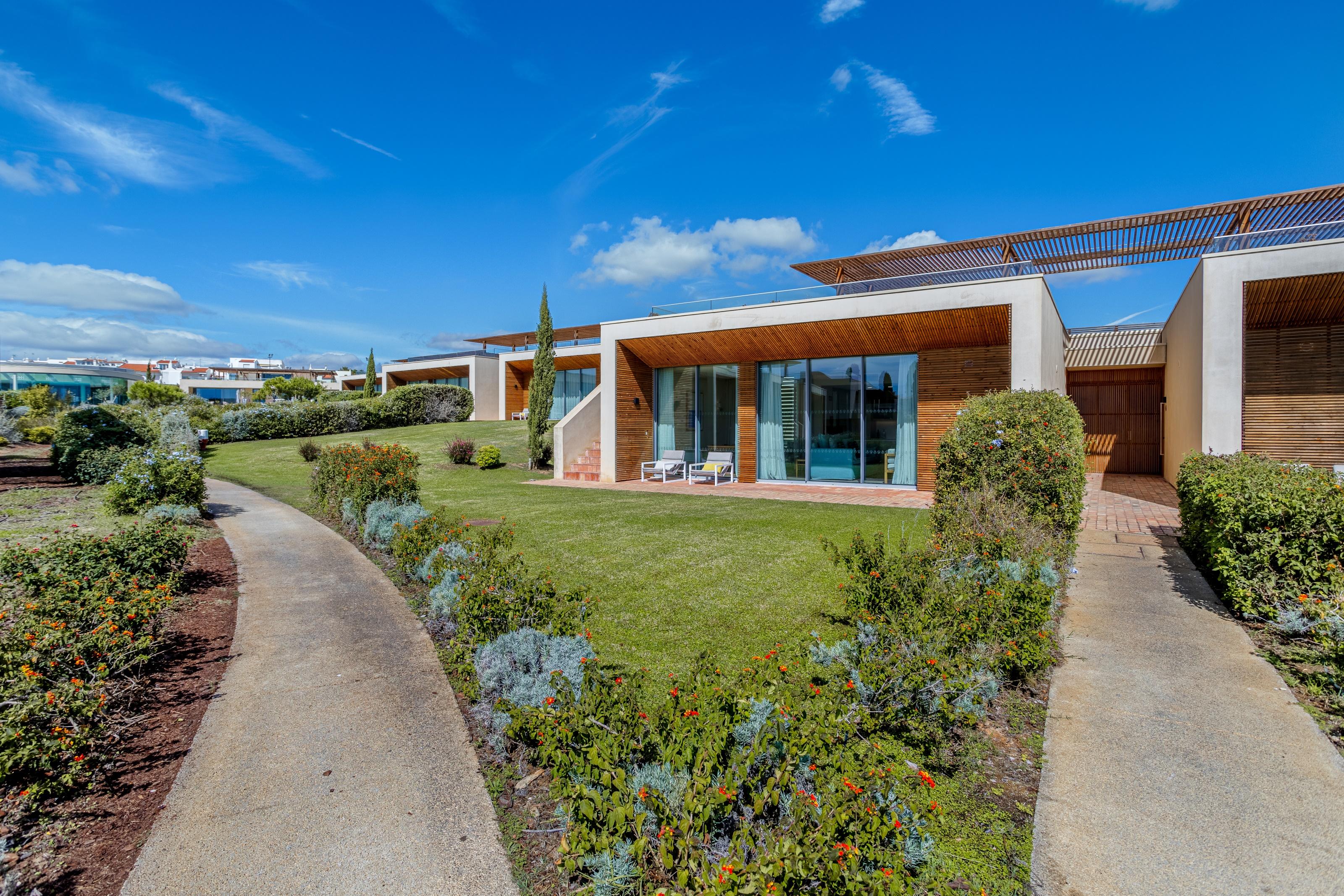
Waterfront Villa in Porches, Portugal
Award-winning eco-resort living on the Algarve cliffs
Price
From EUR 675K
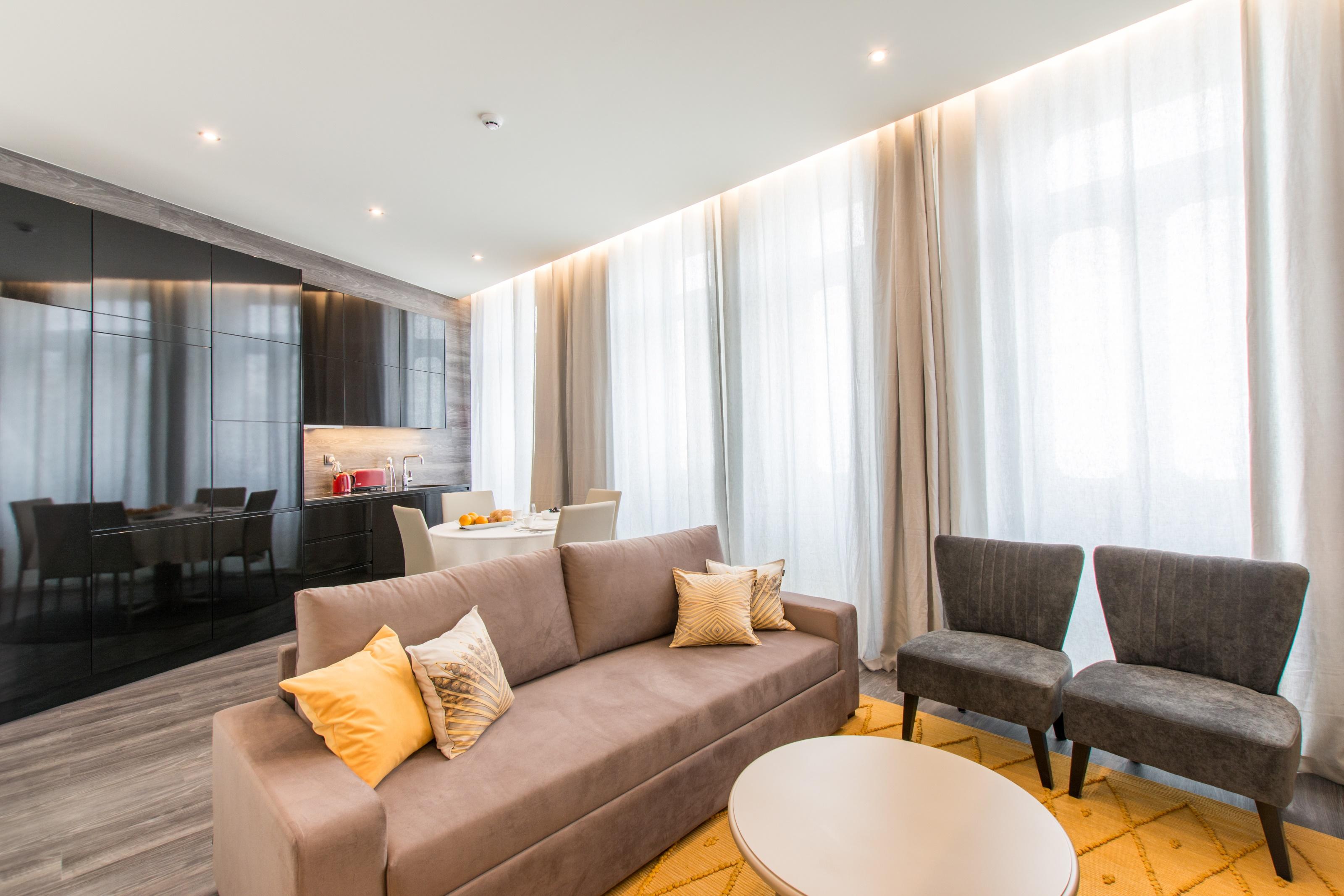
Heritage Apartment in Porto, Portugal
Iconic Porto heritage reimagined downtown
Price
From EUR 450K

Architect-Designed Resort Residences in Quinta do Lago, Portugal
A landmark resort residence within Europe's premier golf destination
Price
€3.80M – €8.00M
30% downpayment • International banking available
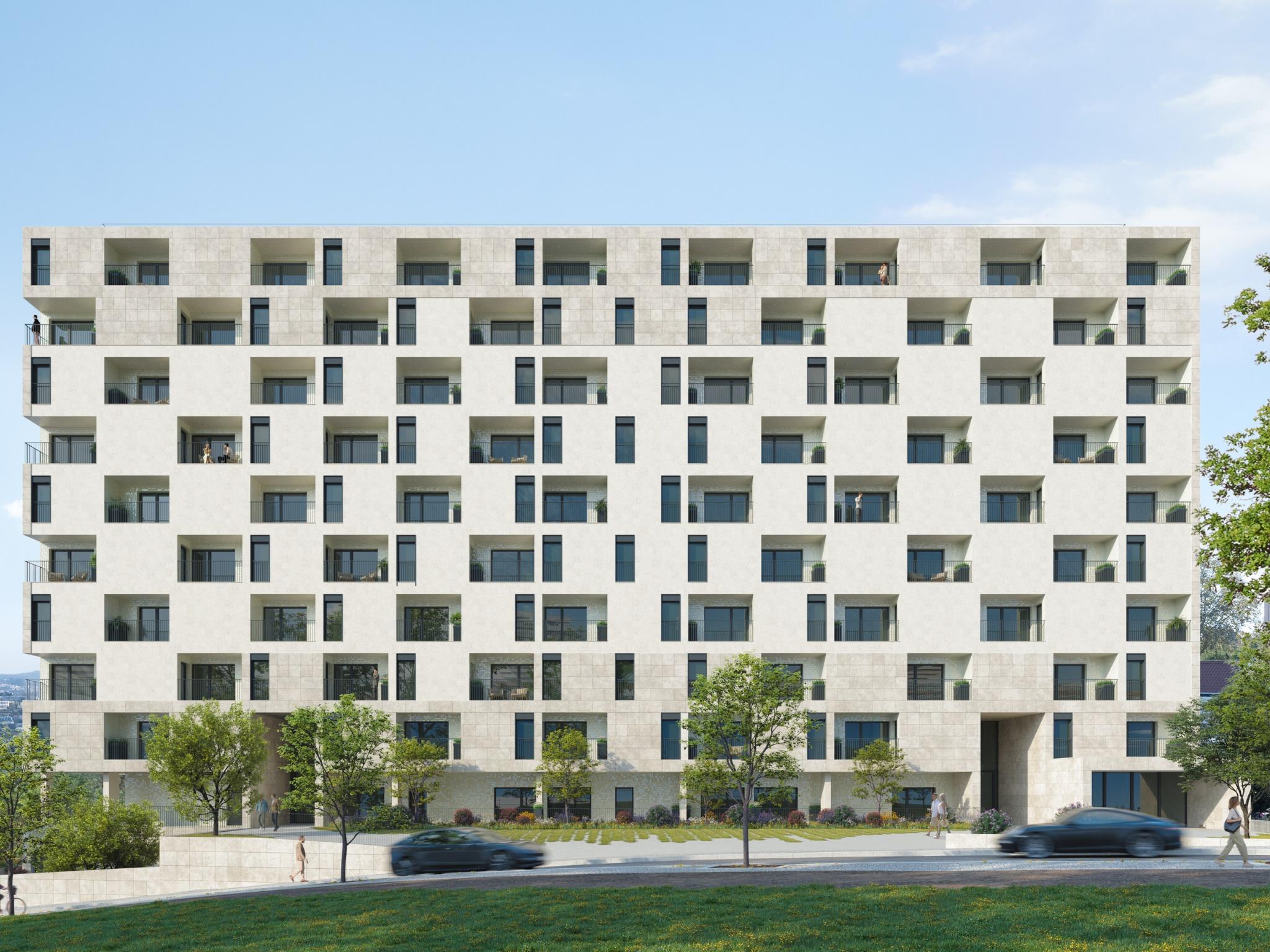
City-Centre Apartment in Vila Nova de Gaia, Portugal
Contemporary urban living in the heart of Gaia
Price
EUR 302.5K – EUR 485K

City-Centre Apartment in Lisbon, Portugal
Accessible studio and one-bedroom Lisbon-region residences
Price
€216K – €294K
10% on reservation • 20% on CPCV (promissory contract) • 70% on notarised deed (escritura) at completion
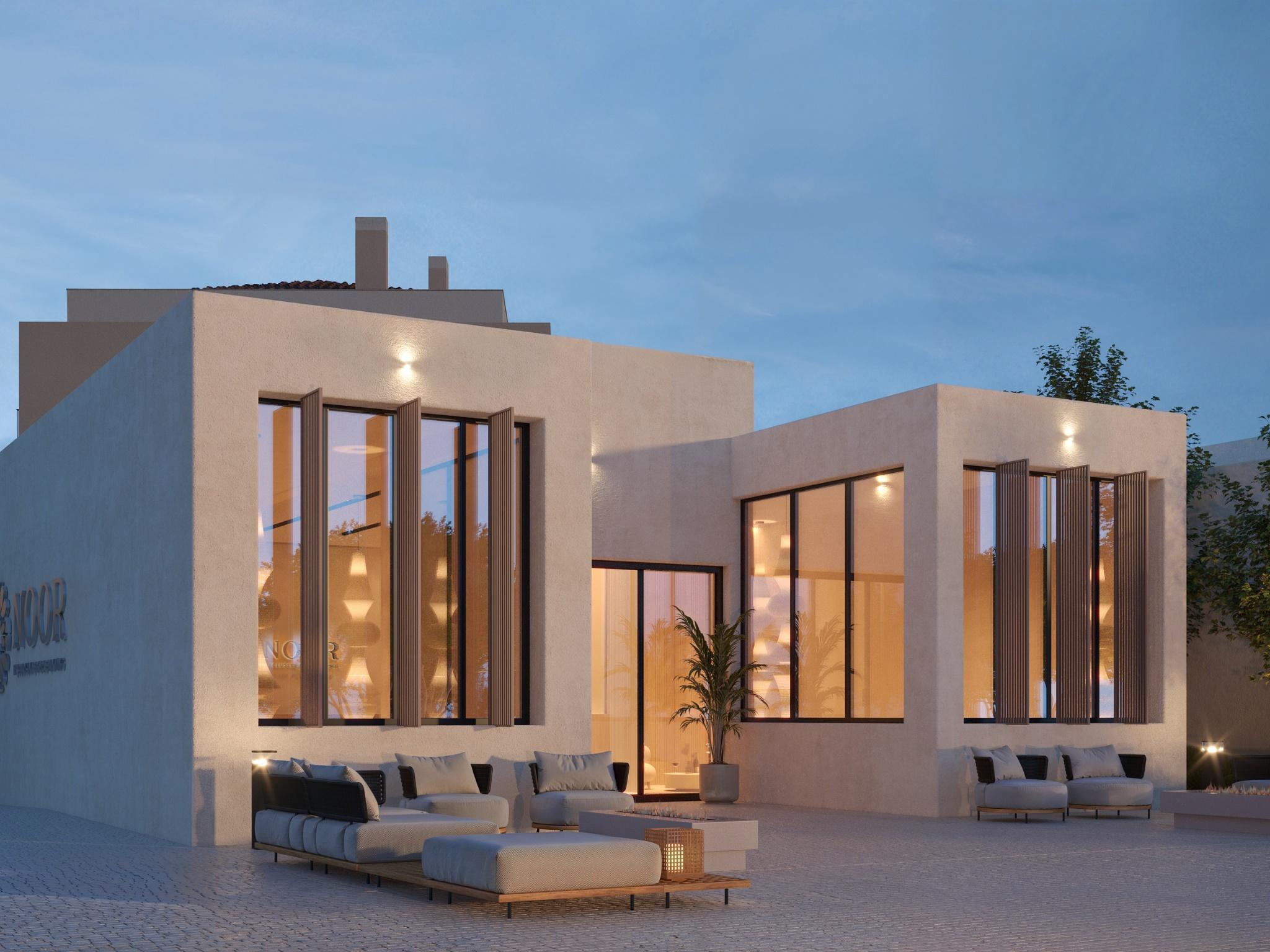
Luxury Apartment in Tavira, Portugal
Pure Algarve serenity where nature meets refined living
Price
EUR 345K – EUR 490K
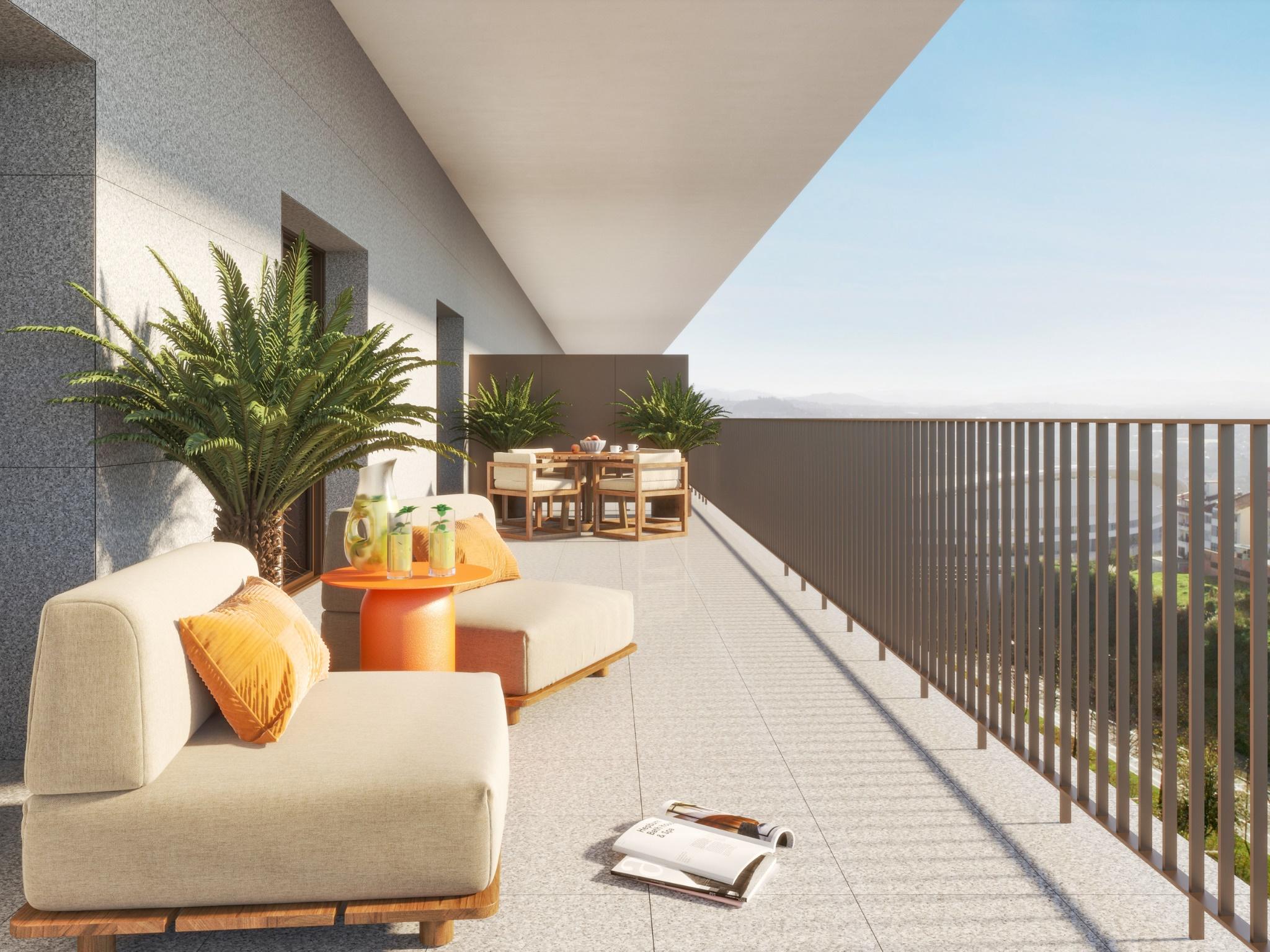
City-Centre Apartment in Porto, Portugal
Porto's largest residential community with world-class amenities
Price
EUR 309K – EUR 1.01M
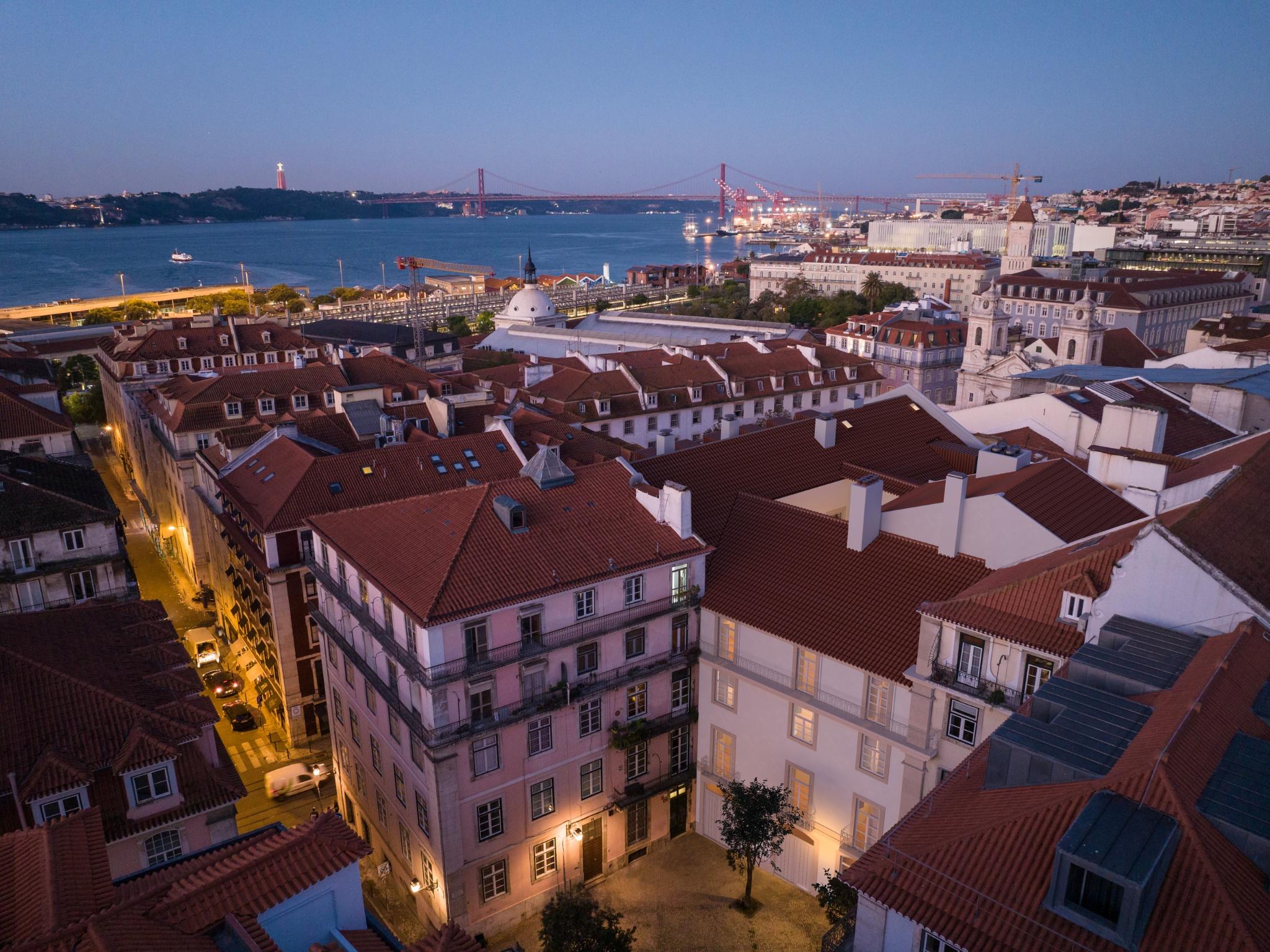
Heritage Apartment in Lisbon, Portugal
Eighteenth-century grandeur reborn on the historic waterfront
Price
EUR 540K – EUR 1.95M
Key Investment Locations
Prime areas attracting international property investors in Portugal.
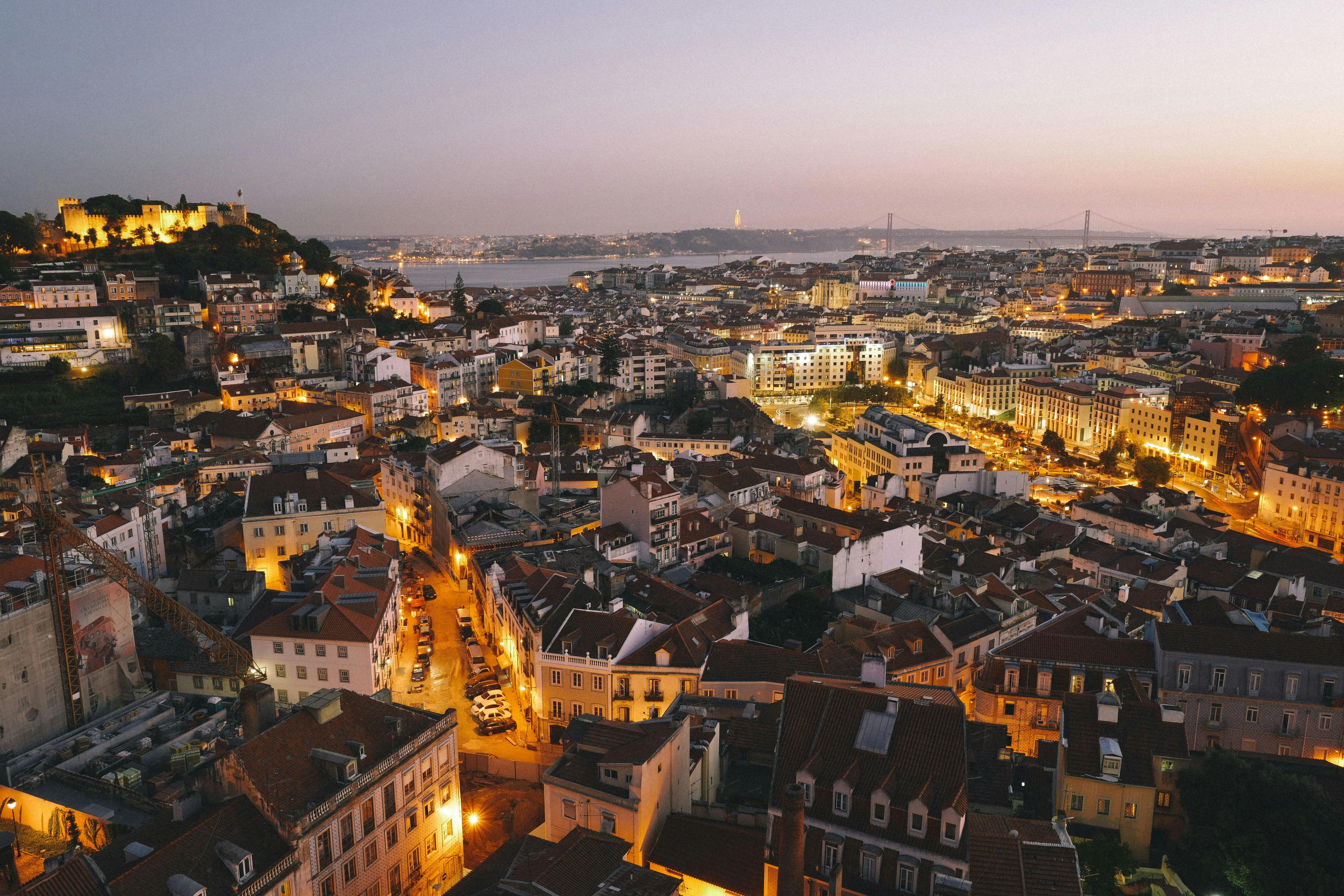
Lisbon
Portugal's capital and most liquid property market. Strong international buyer demand, limited central supply, and high rental occupancy.
→ Suits investors focused on liquidity and long-term value

Porto
Lower entry pricing than Lisbon with rising international profile, strong tourism and student demand, and cultural authenticity.
→ Balance between yield, growth, and lifestyle
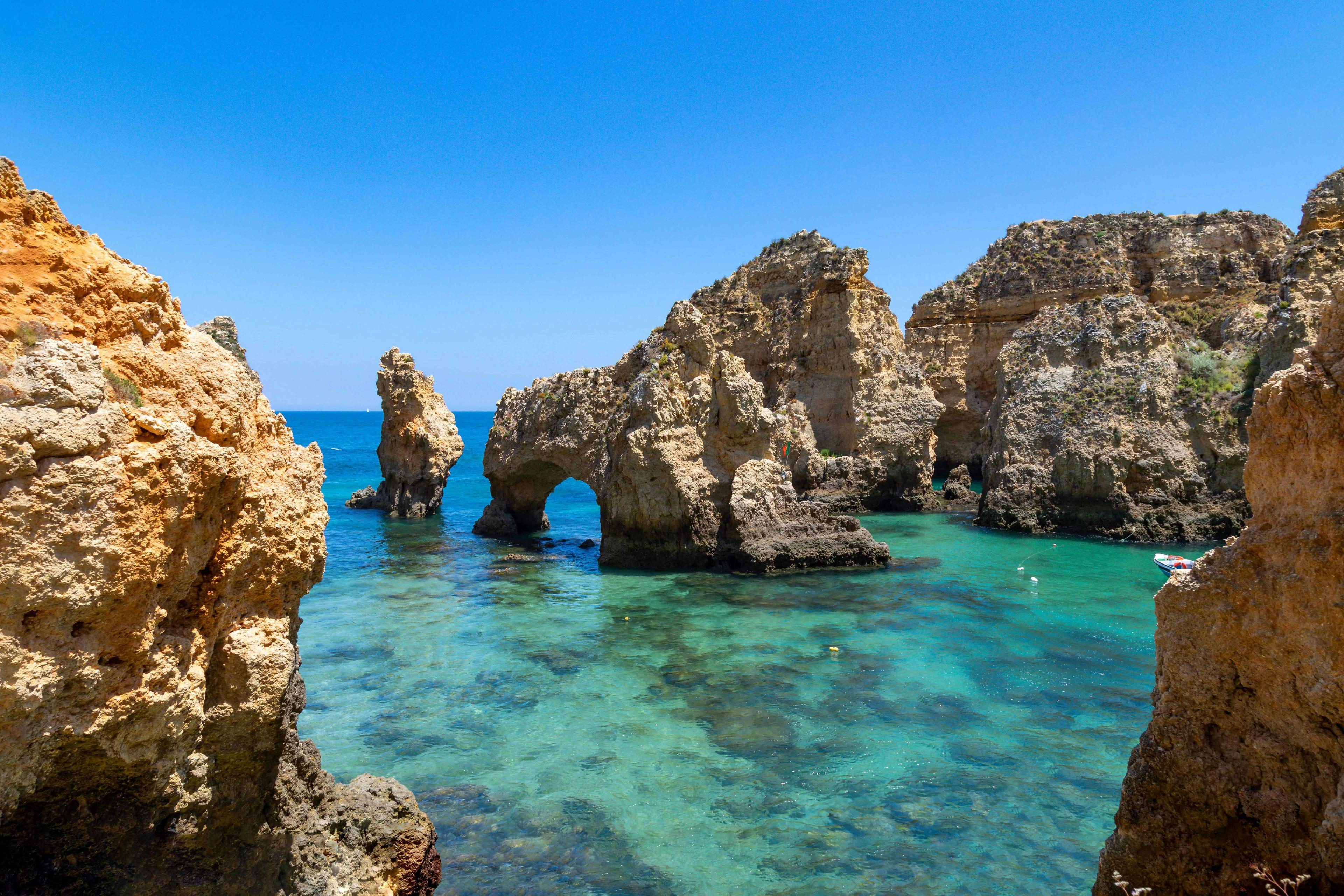
Algarve
Portugal's primary lifestyle property region featuring golf communities, coastal villas, luxury apartments, and strong second-home demand.
→ Capital preservation and lifestyle-led strategies
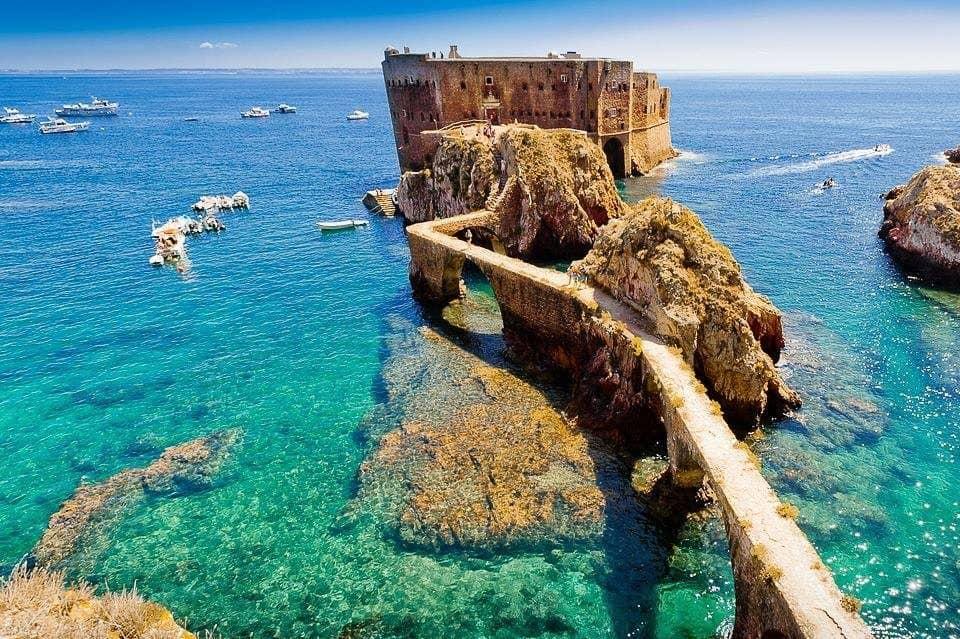
Silver Coast
An emerging lifestyle market offering lower pricing, authentic Portuguese towns, and long-term appreciation potential.
→ Investors with longer holding horizons
Investment Strategies
Common approaches for Portugal property investment.
Lifestyle-led property investment
Many investors purchase Portuguese property for second homes, future relocation, or seasonal living. Rental income is often a secondary benefit rather than the primary driver.
Buy-to-rent strategies
Portugal supports short-term rentals (subject to regulation), long-term residential rentals, and mixed-use strategies. Professional management is commonly used to minimise operational complexity.
Capital preservation and diversification
Portugal is often used to anchor portfolios in stable EU assets, reduce exposure to higher-volatility markets, and hold long-term real assets with global appeal.
Where Capital is Flowing
- Prime urban locations
- Coastal regions with global recognition
- Areas with constrained supply
- Properties attractive to both residents and visitors
Key Considerations
- Evolving short-term rental regulations
- Tax structuring decisions
- Regional differences in liquidity
- Holding period alignment with personal goals
Read before you invest in Portugal
Buying process, city deep-dives, and on-the-ground neighborhood intelligence
Country buying guide
View all buying guides →
Buying Guide
Complete Investor Guide to Portuguese Property
Navigate Portugal's evolving investment landscape -- Golden Visa changes, strong rental yields, and Europe's most attractive lifestyle market
City guides
View all city guides →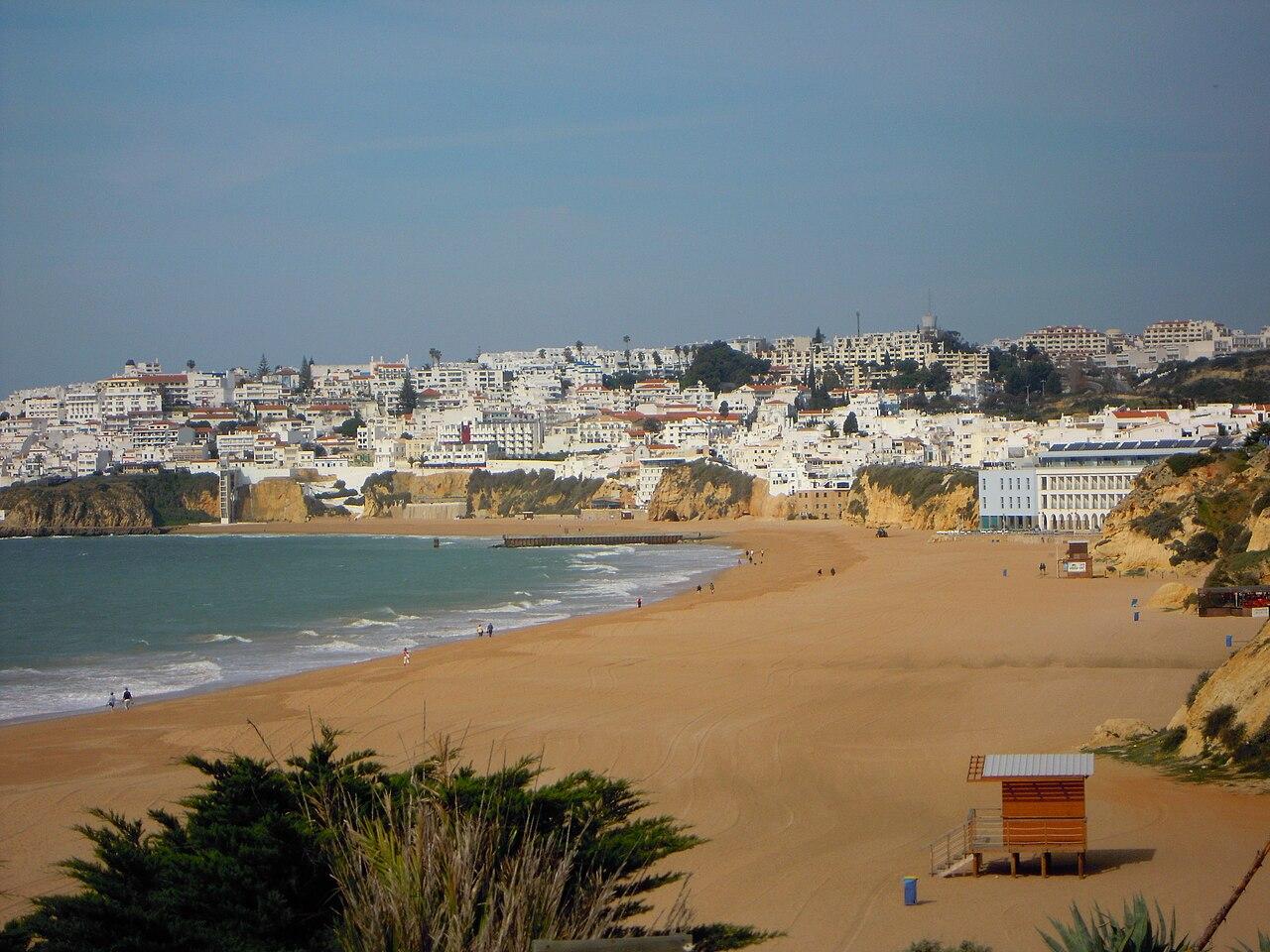
Albufeira
Albufeira is the Algarve's tourism engine, a high-volume resort market in 2026 where beach holidays, nightlife and short-let demand converge. Prices vary sharply by zone: central and beachfront stock sits well above the Algarve average of roughly EUR 3,400-3,600 per m2, while inland parishes such as Ferreiras start nearer EUR 3,080 per m2, offering relative value. Prime resort pockets and the Old Town can command EUR 5,000+ per m2. Average gross rental yields run about 4.5-5.6% on apartments, with net yields after costs nearer 2.8-3.3%, and peak-season short-lets lifting returns where AL licences allow. Tourist-heavy beach zones can see seasonal vacancy climb to 10%+, so location and licensing diligence matter. Portugal places no general restrictions on foreign buyers, EU and non-EU alike, but the real-estate Golden Visa route closed in 2023 and the NHR tax regime was replaced by IFICI+. Buyers must budget for IMT, stamp duty and increasingly restrictive short-let licensing in saturated tourist districts. Albufeira remains the region's most liquid rental market, with mid-range 2-bed apartments near the Old Town letting at EUR 1,150-1,350 per month long-term and far higher in summer.
8 min read

Algarve City Guide
Portugal's sun-drenched southern coast offers everything from ultra-luxury golf resorts to dramatic cliff-backed beaches and charming historic towns. The Algarve attracts millions of visitors annually and has become one of Europe's most popular destinations for property investors, retirees, and lifestyle buyers seeking golden beaches, over 300 days of sunshine, and a relaxed Mediterranean pace of life at prices below the French Riviera or Costa del Sol. The region's diversity is remarkable — from the ultra-exclusive golf estates of Quinta do Lago and Vilamoura to the surf-culture charm of Lagos and the authentic fishing-village atmosphere of Tavira. A well-developed tourism infrastructure, international schools, private healthcare, and excellent air connectivity from Faro Airport make the Algarve a mature and accessible investment market.
8 min read
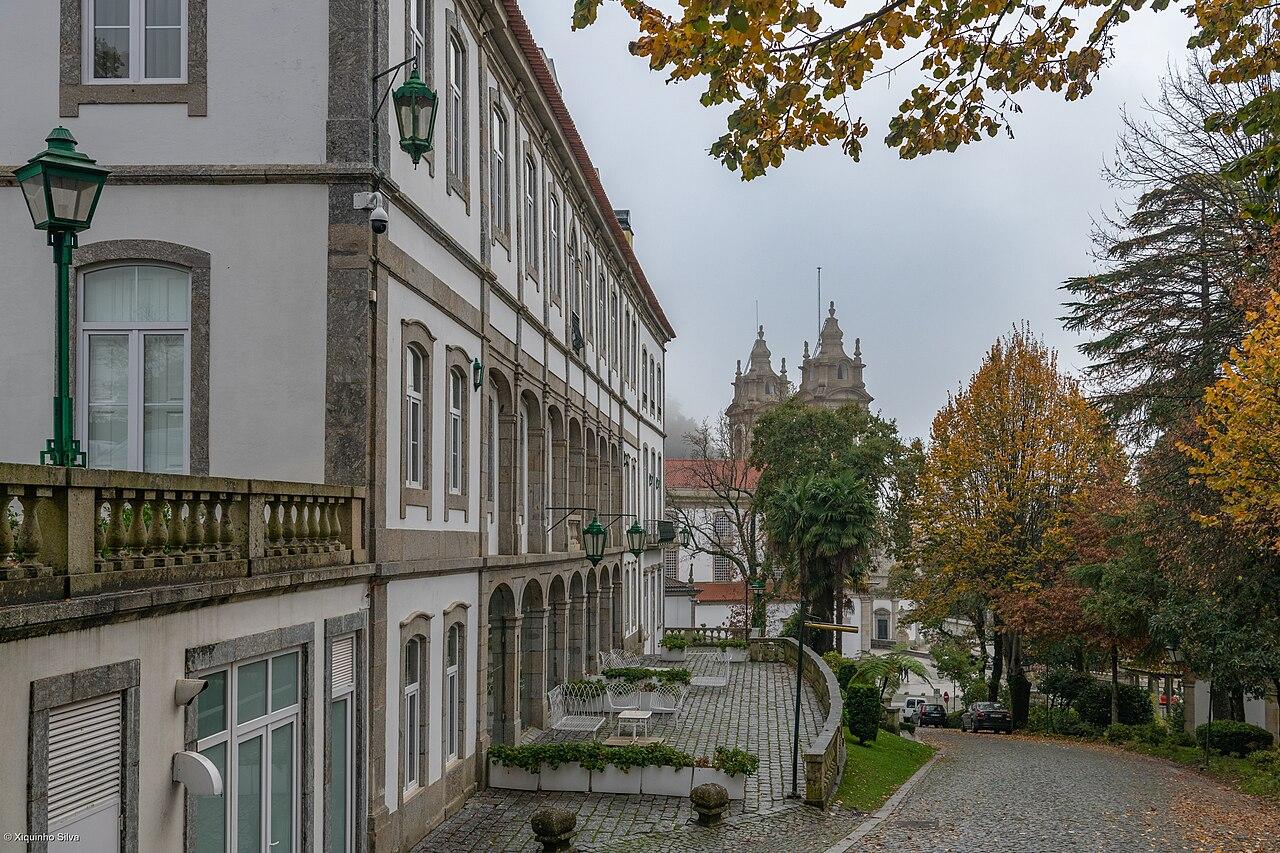
Braga
Braga is Portugal's third-largest urban centre by metropolitan population and the country's fastest-growing tech hub outside Lisbon and Porto. Located 50 km north of Porto, Braga combines a 2,000-year history (Roman Bracara Augusta) with one of Europe's youngest demographic profiles and the headquarters of Bosch's largest car-multimedia plant globally. Residential prices in central Braga range from EUR 1,800-3,500 per square metre, with gross yields of 6.0-8.5% -- excellent value relative to Porto (40-50% cheaper for comparable property). The University of Minho (~20,000 students) and Bosch's 5,000+ employees drive two strong tenant bases. The city has been one of Portugal's fastest-appreciating markets since 2020. For international buyers, Braga offers excellent value, strong demographic tailwinds, EU/Eurozone safety, and one of Europe's youngest urban populations. The catch: less established short-let market than Porto/Lisbon, smaller international community, and most transaction services run in Portuguese.
8 min read
Cascais City Guide
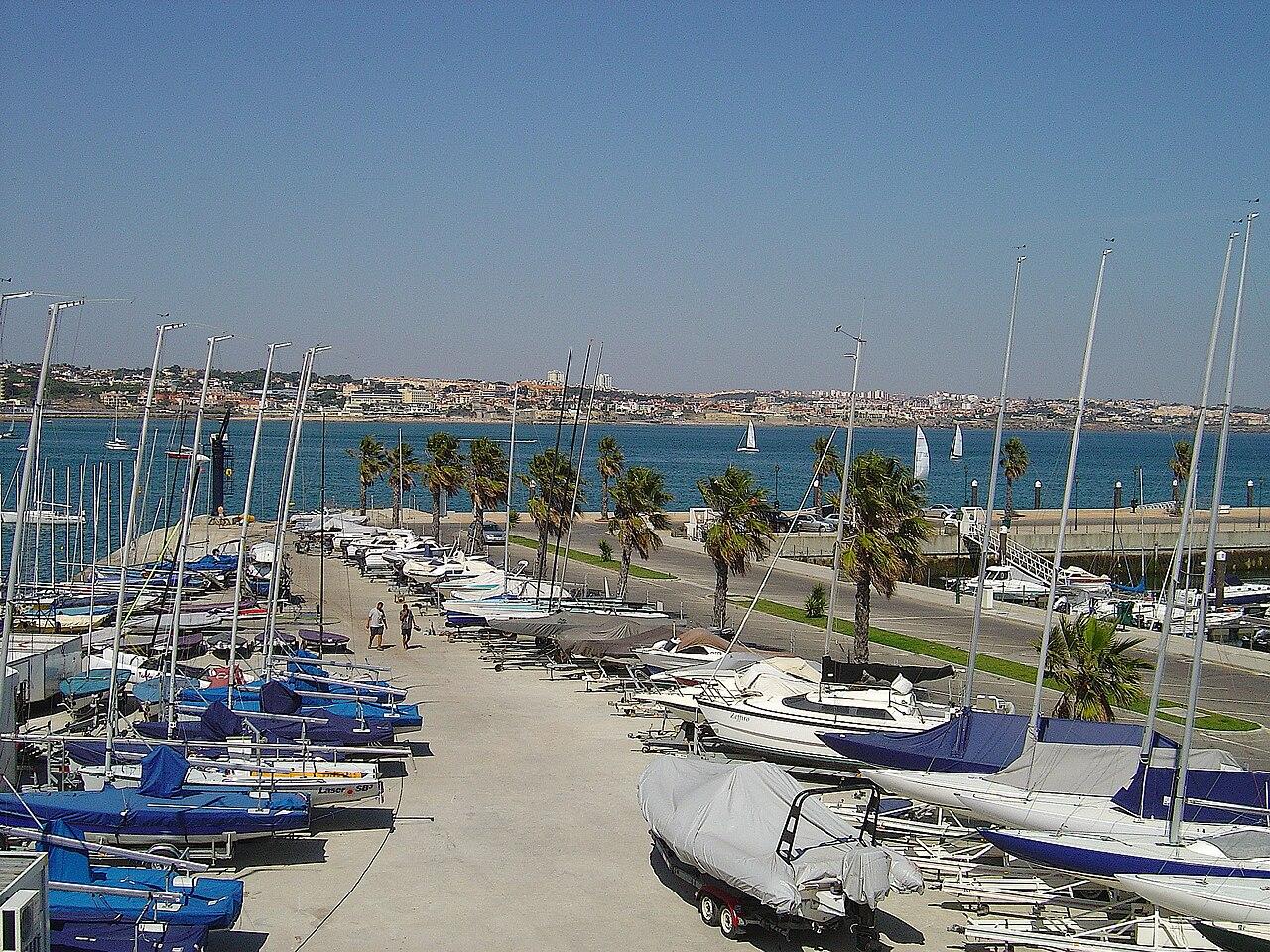
Cascais is an affluent coastal town on Portugal's Estoril Coast, about 30 km west of Lisbon and linked to the capital by a scenic commuter rail line in roughly 30-40 minutes. Once a royal summer retreat, it is now one of Portugal's most prestigious residential markets, prized for its marina, Blue Flag beaches (Guincho, Carcavelos), championship golf and a dense cluster of international schools that anchor a large permanent expat community. It blends a walkable historic centre with low-density villa enclaves, drawing high-net-worth buyers from the UK, US, Brazil and Northern Europe seeking a coastal lifestyle within commuting distance of Lisbon's business district. Two policy shifts reshape the 2025-2026 pitch: Portugal's Golden Visa real-estate route was abolished in October 2023, and the NHR tax regime closed to new applicants on 1 January 2025, replaced by the narrower IFICI ('NHR 2.0'). Despite these headwinds, Cascais demand has stayed resilient, driven by lifestyle migration rather than tax arbitrage, though price growth has cooled to the slowest in the Lisbon metro.
8 min read
Coimbra
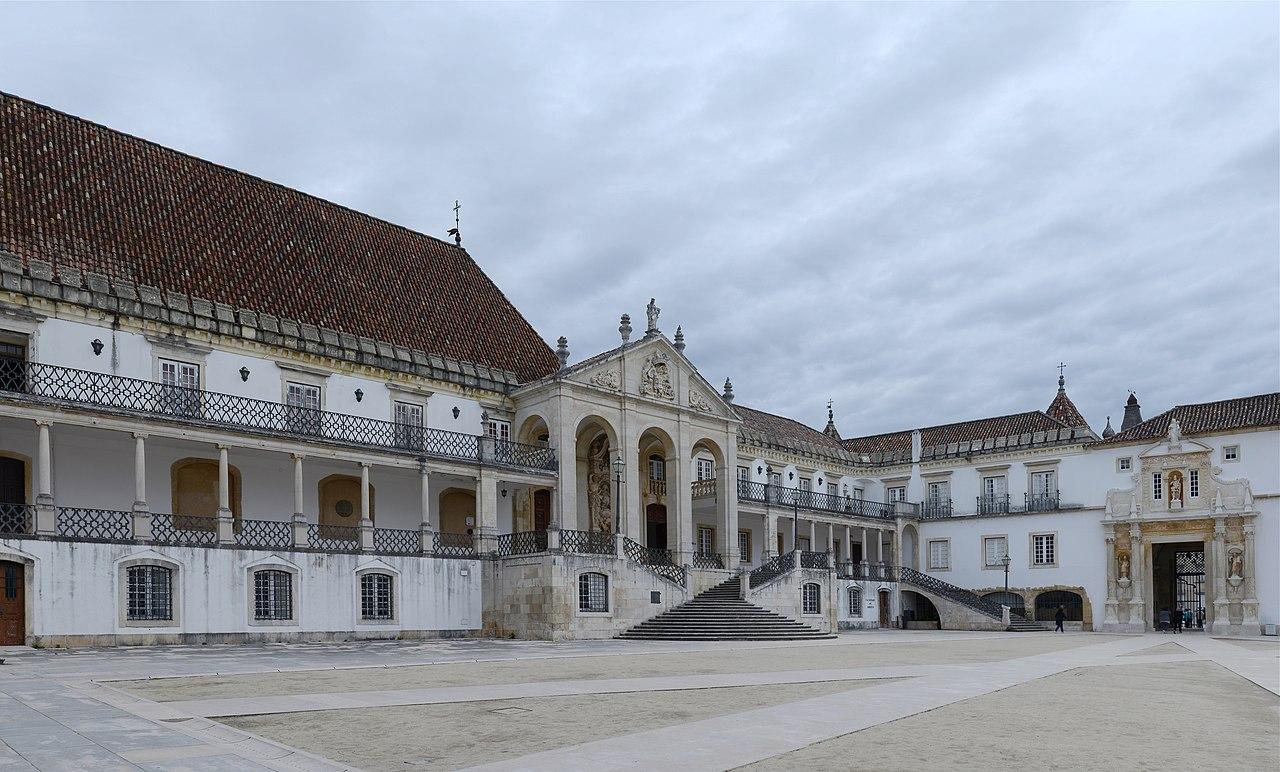
Coimbra is Portugal's historic university city -- home to one of Europe's oldest universities (University of Coimbra, founded 1290, UNESCO-listed). The city sits 200 km north of Lisbon along the Mondego River and offers one of mainland Portugal's most undervalued property markets, anchored by student demand from ~30,000 university students and a growing tech and biotech innovation cluster. Residential prices in central Coimbra range from EUR 1,800-3,200 per square metre, with gross yields of 6.0-9.0% -- among the best in Portugal. Student rental demand provides one of Europe's most defensive long-let tenant bases. The market has been growing steadily since 2018 but remains a fraction of Lisbon (EUR 5-8k/sqm) or Porto (EUR 4-6k/sqm) pricing. For international buyers, Coimbra offers exceptional value, strong student-driven rental demand, EU/Eurozone safety, and a long-running expatriate retiree community. The catch: smaller market than Lisbon/Porto, more local-language transaction process, and less established short-let infrastructure.
8 min read
Funchal
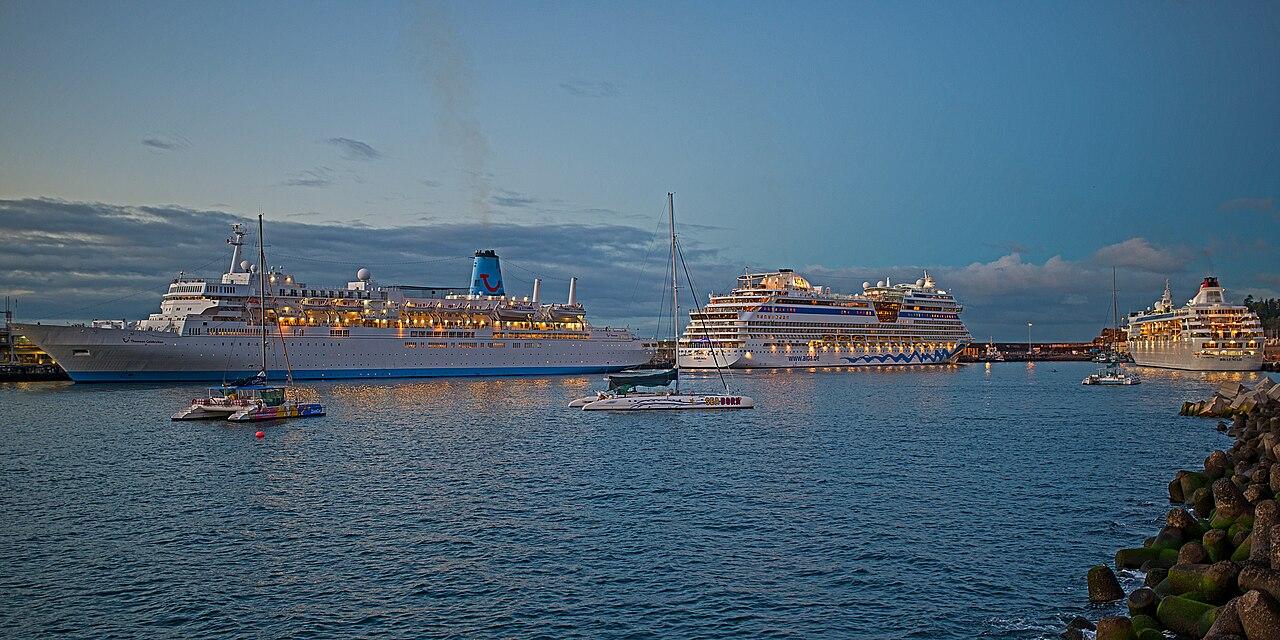
Funchal is the capital of Portugal's Madeira archipelago -- a subtropical Atlantic island 1,000 km southwest of Lisbon and 600 km west of Morocco. The city has emerged as one of Europe's most attractive smaller capital markets for remote workers, retirees, and digital nomads thanks to Madeira's special tax regime (low corporate tax, attractive personal tax options), year-round mild climate, and direct flights to 30+ European cities. Residential prices in Funchal range from EUR 3,500-6,500 per square metre, with gross yields of 5.0-7.5%. The Digital Nomad Village programme (launched 2021 in Ponta do Sol, expanding to Funchal) has cemented Madeira's digital-nomad brand. Foreign buyers face no restrictions in Portugal, and the broader Golden Visa programme (post-2023 reforms exclude residential, but commercial and fund options remain) provides residency pathways. For international buyers, Funchal offers EU/Eurozone safety, Atlantic island lifestyle, strong short-let demand from European tourists, and accessible pricing relative to Lisbon or Porto. The catch: smaller market depth than mainland cities, weather-dependent tourism cycles, and ferry/air-only logistics.
8 min read
Neighborhood deep-dives
View all neighborhood guides →Albufeira
Ferreiras
Inland residential parish near the train station, the most affordable entry point and a year-round local community.
Albufeira
Old Town (Cidade Velha)
Albufeira's whitewashed historic core above the fishermen's beach, the densest short-let and dining district in town.
Albufeira
Olhos de Agua
A former fishing village east of Albufeira with a charming beach, quieter than the resort core and popular with families.
Albufeira
Oura
The resort-and-nightlife district around Praia da Oura and The Strip, dense with apartments and short-let demand.
Algarve
Albufeira
Algarve buzzing tourism capital where old town charm meets golden beaches and vibrant nightlife
Algarve
Carvoeiro
Picturesque Algarve cliff village where dramatic coastline meets intimate charm and Michelin dining
Algarve
Lagos
Historic Algarve surf town where dramatic cliff beaches meet Age of Discovery heritage
Algarve
Quinta do Lago
Portugal most exclusive resort where championship golf and Ria Formosa nature create ultra-luxury living
How INTRIC Supports Your
Portugal Investment
INTRIC does not sell property. INTRIC helps members make better decisions before committing capital.