
Property Investment Guide
Cambodia
Early-cycle growth, frontier opportunity, and Southeast Asia diversification
Market Type
Frontier, early-cycle emerging market
Risk Profile
High
Cambodia is one of Southeast Asia's most frontier-stage property markets, offering investors exposure to early-cycle urbanisation, tourism growth, and regional manufacturing expansion at comparatively low entry points. For global investors, Cambodia is positioned as a high-risk, high-potential growth allocation, rather than a core or preservation market.
Ideal For
- HNWIs seeking frontier and early-cycle exposure
- Family offices allocating a small portion to high-growth markets
- Investors experienced in emerging and frontier economies
- Buyers comfortable with regulatory and execution risk
- Capital allocators looking beyond mature ASEAN markets
Consider Carefully If
- • Conservative capital-preservation strategies
- • Investors seeking deep liquidity or institutional certainty
- • Purely passive ownership without trusted local partners
Why invest in Cambodia?
Key factors driving global investor interest in Cambodia property.
Early-stage urbanisation and growth trajectory
Cambodia is at a relatively early stage of urban development, modern residential adoption, and infrastructure expansion. This creates long-term upside potential for investors with patience and selectivity.
Tourism recovery and lifestyle demand
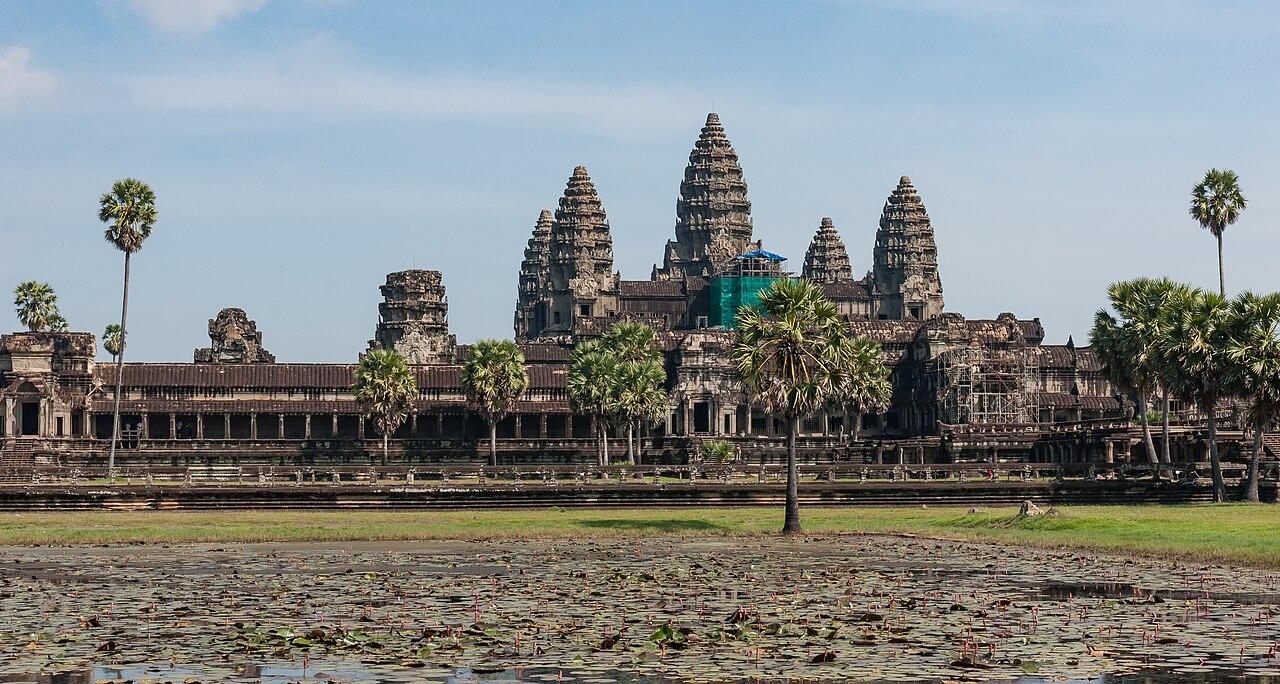
Cambodia attracts international visitors drawn to Angkor Wat and cultural heritage, emerging coastal destinations, and improving hospitality infrastructure. Tourism supports demand for serviced apartments and lifestyle-oriented residential projects.
Accessible entry pricing
Compared to Thailand, Vietnam, or Malaysia, Cambodia offers lower price points, early-stage development opportunities, and higher potential upside with higher risk. This attracts investors seeking asymmetric growth.
Key Investment Locations
Prime areas attracting international property investors in Cambodia.
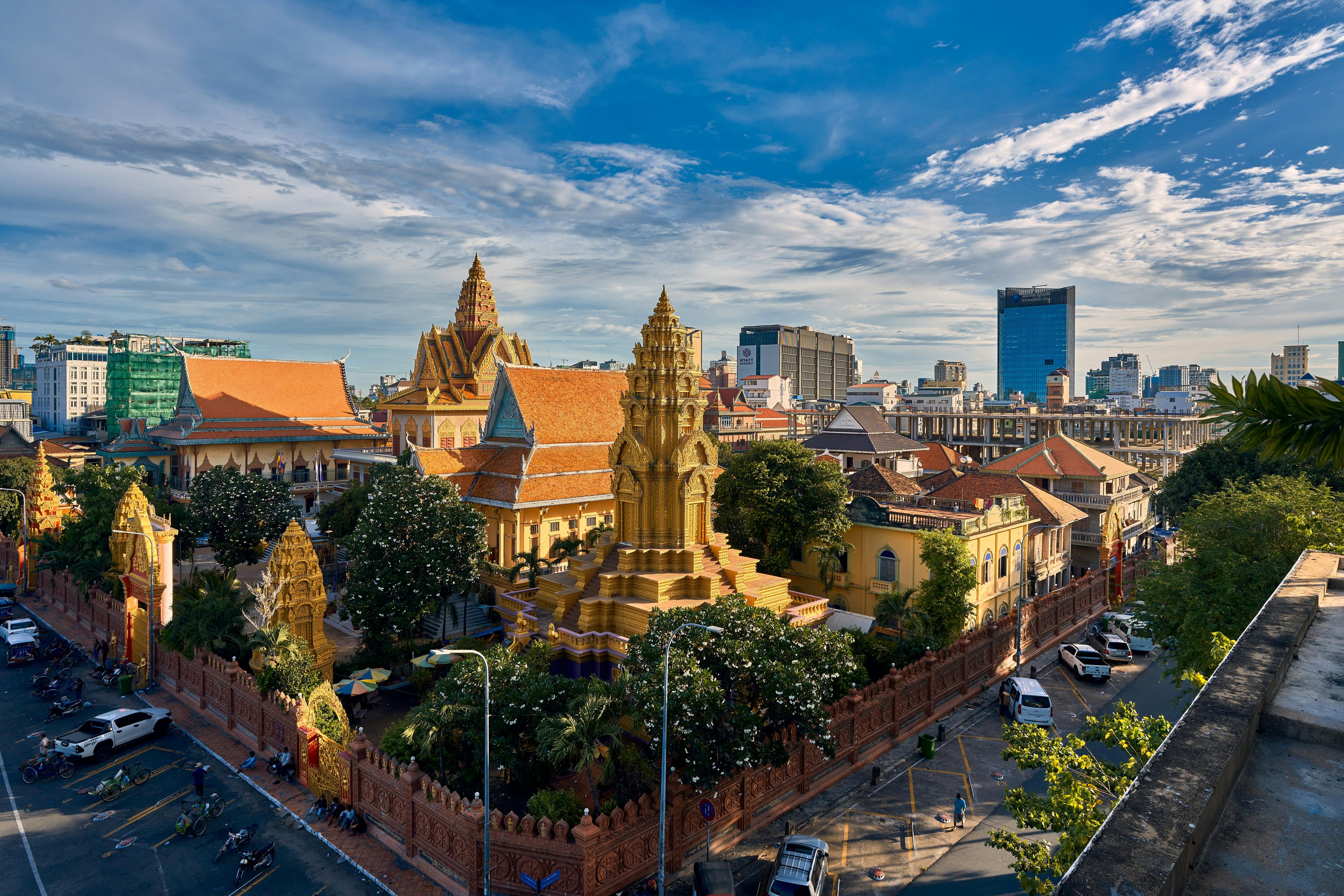
Phnom Penh
Cambodia's primary urban property market with expanding middle class and high-rise condominium development. Key areas include BKK1, Tonle Bassac, and Chroy Changvar.
→ Urban growth exposure
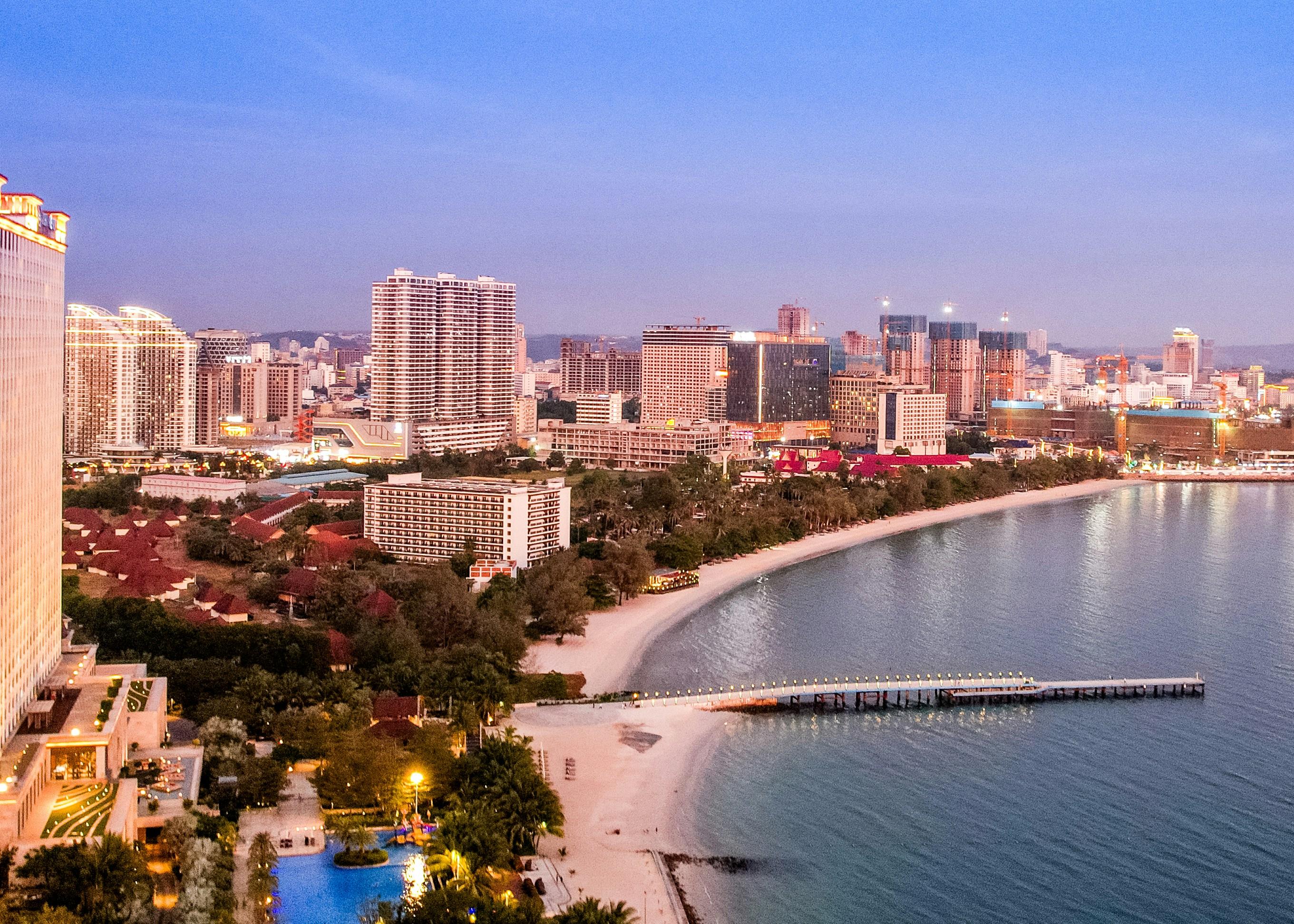
Sihanoukville
Has experienced rapid development cycles, strong Chinese investment inflows, and periods of oversupply and volatility. High risk market.
→ Experienced investors only (high risk)
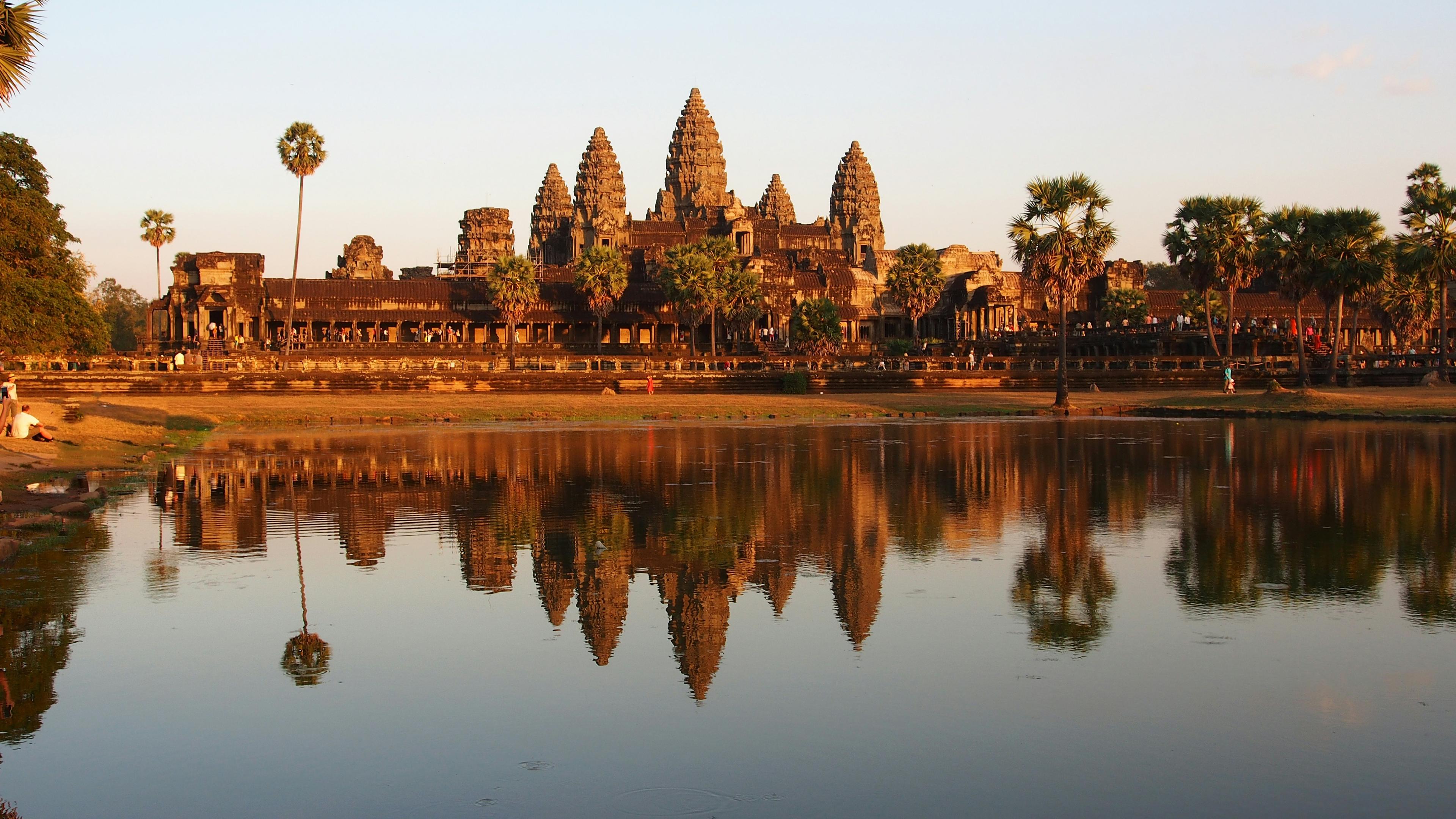
Emerging Secondary Cities
Including Siem Reap (tourism-linked demand) and border/logistics-oriented towns. These strategies are niche and require deep local insight.
→ Deep local insight required
Investment Strategies
Common approaches for Cambodia property investment.
Urban condominium growth plays
The most common foreign-investor strategy focusing on condominiums eligible for foreign ownership, developments in established urban districts, and projects by reputable developers. Returns are driven primarily by capital appreciation, not yield.
Serviced apartments and rental-oriented units
In select locations, investors pursue serviced residential formats and projects targeting expatriates and professionals. This strategy requires strong management and realistic yield expectations.
Early-cycle land or development exposure (advanced)
Some experienced investors explore land banking and development partnerships. These strategies carry significantly higher execution and regulatory risk.
Where Capital is Flowing
- Phnom Penh prime districts
- Projects with clear end-user demand
- Reputable regional developers
- Assets aligned with long-term urban growth, not speculation
Key Considerations
- Regulatory evolution and enforcement
- Foreign ownership limitations (condominiums only)
- Developer credibility and delivery risk
- Liquidity constraints
- Currency exposure and market transparency
Read before you invest in Cambodia
Buying process, city deep-dives, and on-the-ground neighborhood intelligence
Country buying guide
View all buying guides →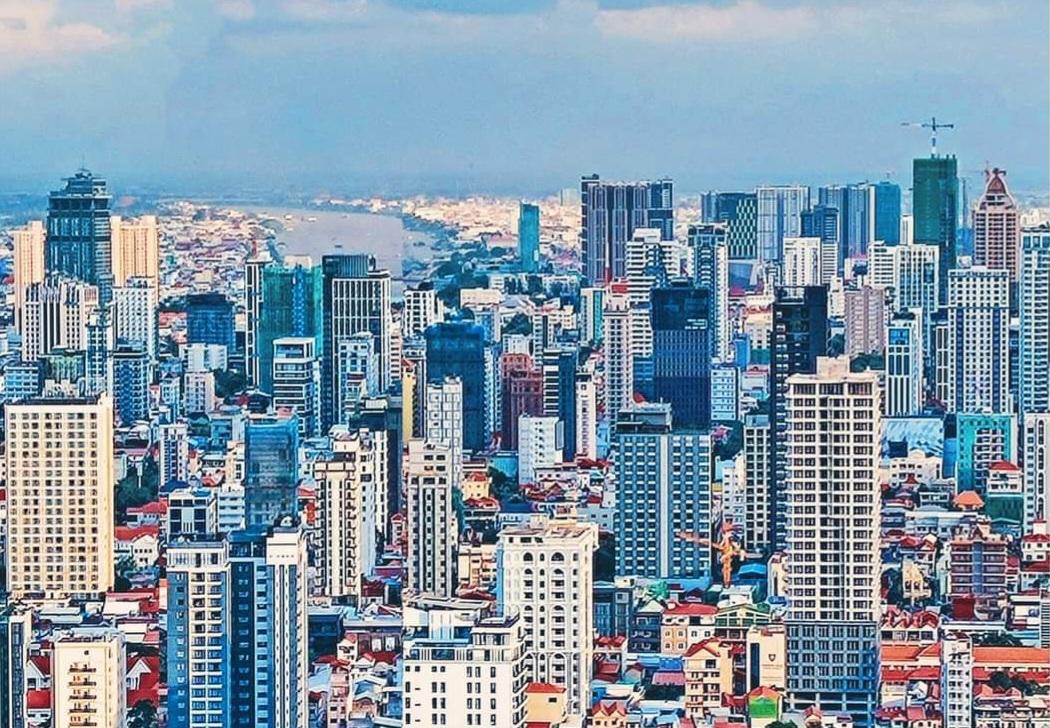
Buying Guide
Complete Investor Guide to Cambodian Property
Capitalize on Southeast Asia's most affordable dollarized condo market while navigating foreign-ownership rules and oversupply
City guides
View all city guides →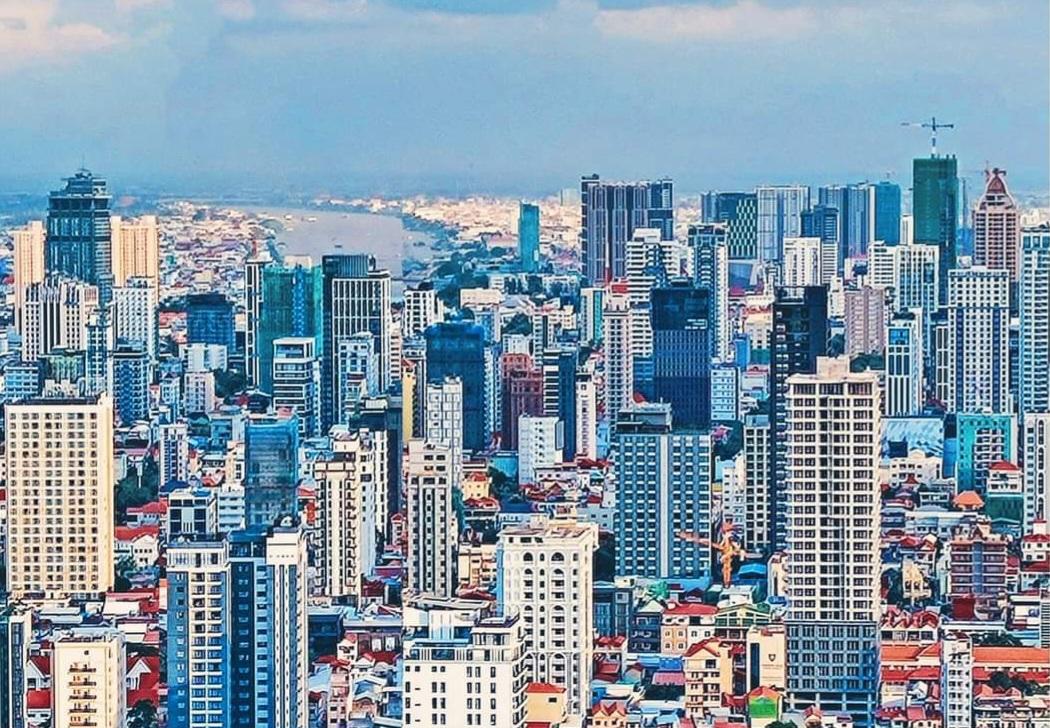
Phnom Penh City Guide
Cambodia's riverside capital is Southeast Asia's most accessible high-yield condominium market, built on a US-dollar economy that shields foreign buyers from currency risk and a strata-title regime that allows full foreign ownership of units above the ground floor. The investment map centres on Chamkar Mon, which contains the blue-chip BKK1 district where premium developments average USD 2,800-3,500 per square metre, alongside the riverfront Daun Penh quarter and the emerging 7 Makara growth zone. Entry-level stock sits at a far more accessible USD 1,500-2,200 per square metre, while prime prices stabilised around USD 1,800-2,400. After a subdued first half, the high-end segment showed clear recovery signals in late 2025, with average prices rising roughly 5% year-on-year to surpass USD 2,800 per square metre in Q4. Total condo supply reached nearly 80,000 units as vacancies eased toward 15% per project. With net rental yields among the highest in the region, typically a realistic 6-8%, Phnom Penh remains a yield-led play for investors comfortable with an oversupplied but recovering, dollarised frontier market.
8 min read
Siem Reap City Guide
Gateway to the Angkor Wat temple complex, Siem Reap is Cambodia's premier tourism city and a low-rise property market shaped by heritage-protection rules that cap most buildings at six storeys to preserve the spiritual skyline. That height restriction limits vertical supply and channels investment toward boutique hotels, serviced villas and short-stay accommodation around the Old Market (Pub Street) core, the Wat Bo and Sala Kamreuk riverside areas, and the airport road toward the new Siem Reap-Angkor International Airport. Residential land in 2024 traded at roughly USD 100-150 per square metre, and the market is running hot in 2025: residential prices are rising an estimated 8-10% year-on-year, with condos up around 8% and luxury villas climbing 15-20%, while short-let occupancy reached an impressive 85%. Realistic gross rental yields sit in the 6-8% range. The new international airport, which moved flights away from the temples, is the central catalyst, and analysts project continued 8-10% annual growth in the near term, making Siem Reap a tourism-led growth story for investors comfortable with a small, seasonal market.
7 min read
Neighborhood deep-dives
View all neighborhood guides →Phnom Penh
BKK1 (Boeung Keng Kang 1)
Phnom Penh's prime expat enclave, where leafy streets, premium condos and a cafe-and-rooftop scene set the city's lifestyle standard
Phnom Penh
Chamkar Mon
Phnom Penh's premier expat district of cafes, condos and the city's steadiest rental yields
Phnom Penh
Daun Penh
Phnom Penh's colonial-era riverfront heart, where the Royal Palace, Central Market and Sisowath Quay define a district steeped in heritage
Phnom Penh
Sen Sok
Phnom Penh's affordable family suburb anchored by Aeon Mall 2 and an international school
Phnom Penh
Tonle Bassac
Phnom Penh's flashiest riverfront district of high-rises, NagaWorld and Diamond Island
Phnom Penh
Toul Kork
Phnom Penh's upscale, school-rich residential district, where wide boulevards and spacious villas draw families and the rising middle class
Phnom Penh
Toul Tom Poung
Phnom Penh's bohemian Russian Market quarter of coffee, boutiques and creative expat life
Siem Reap
Chreav
Siem Reap's countryside southeast of rice fields, custom villas and the new airport corridor
How INTRIC Supports Your
Cambodia Investment
INTRIC does not sell property. INTRIC helps members make better decisions before committing capital.