
Property Investment Guide
Mexico
Near-shoring, lifestyle demand, and long-term growth
Market Type
Growth-plus-income emerging market
Risk Profile
Moderate
Mexico has become one of the most strategically important cross-border property investment markets in the Americas, driven by near-shoring, demographic scale, and strong lifestyle demand from North America and Europe. For global investors, Mexico is typically positioned as a growth-plus-income diversification market, rather than a defensive capital-preservation play.
Ideal For
- HNWIs seeking North American diversification beyond the US
- Investors targeting growth and yield in urban centres
- Buyers seeking lifestyle properties with rental upside
- Family offices interested in near-shoring driven demand
- Investors comfortable with emerging-market nuances
Consider Carefully If
- • Investors seeking ultra-low volatility
- • Purely passive strategies without local partners
- • Short-term speculative flipping without market insight
Why invest in Mexico?
Key factors driving global investor interest in Mexico property.
Near-shoring and industrial relocation
Mexico is a major beneficiary of near-shoring, with manufacturing and supply chains relocating closer to the US. This drives job creation, urban population growth, and demand for quality housing in industrial and logistics hubs.
Cross-border lifestyle demand
Mexico attracts sustained demand from US and Canadian second-home buyers, digital nomads and retirees, and lifestyle-driven relocators. This supports strong rental demand in coastal and culturally rich cities.
Relative affordability and yield
Compared to US coastal cities and Southern Europe, Mexico offers lower entry prices, attractive price-to-rent ratios, and strong income potential in prime areas. This attracts investors seeking value-adjusted returns.
Key Investment Locations
Prime areas attracting international property investors in Mexico.

Mexico City
Latin America's largest urban property market with deep rental demand, diverse neighbourhoods, and strong professional and cultural base. Districts such as Polanco, Roma, Condesa, and Santa Fe appeal to investors.
→ Urban rental income and liquidity
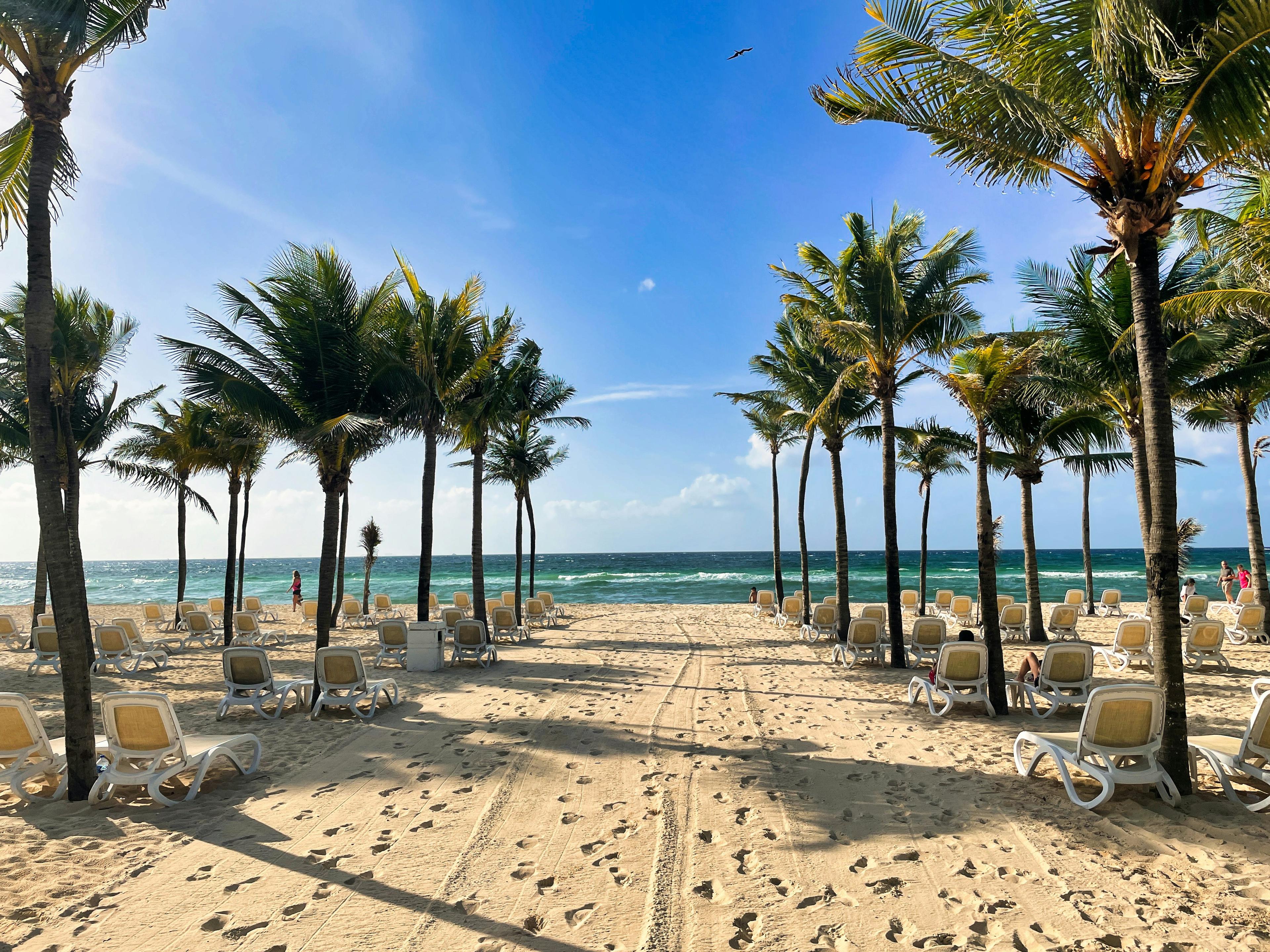
Riviera Maya (Tulum, Playa del Carmen)
One of Mexico's most internationally recognised lifestyle markets with tourism-driven rental demand, short-term rental strategies, and strong branding.
→ Lifestyle-led, income-generating strategies
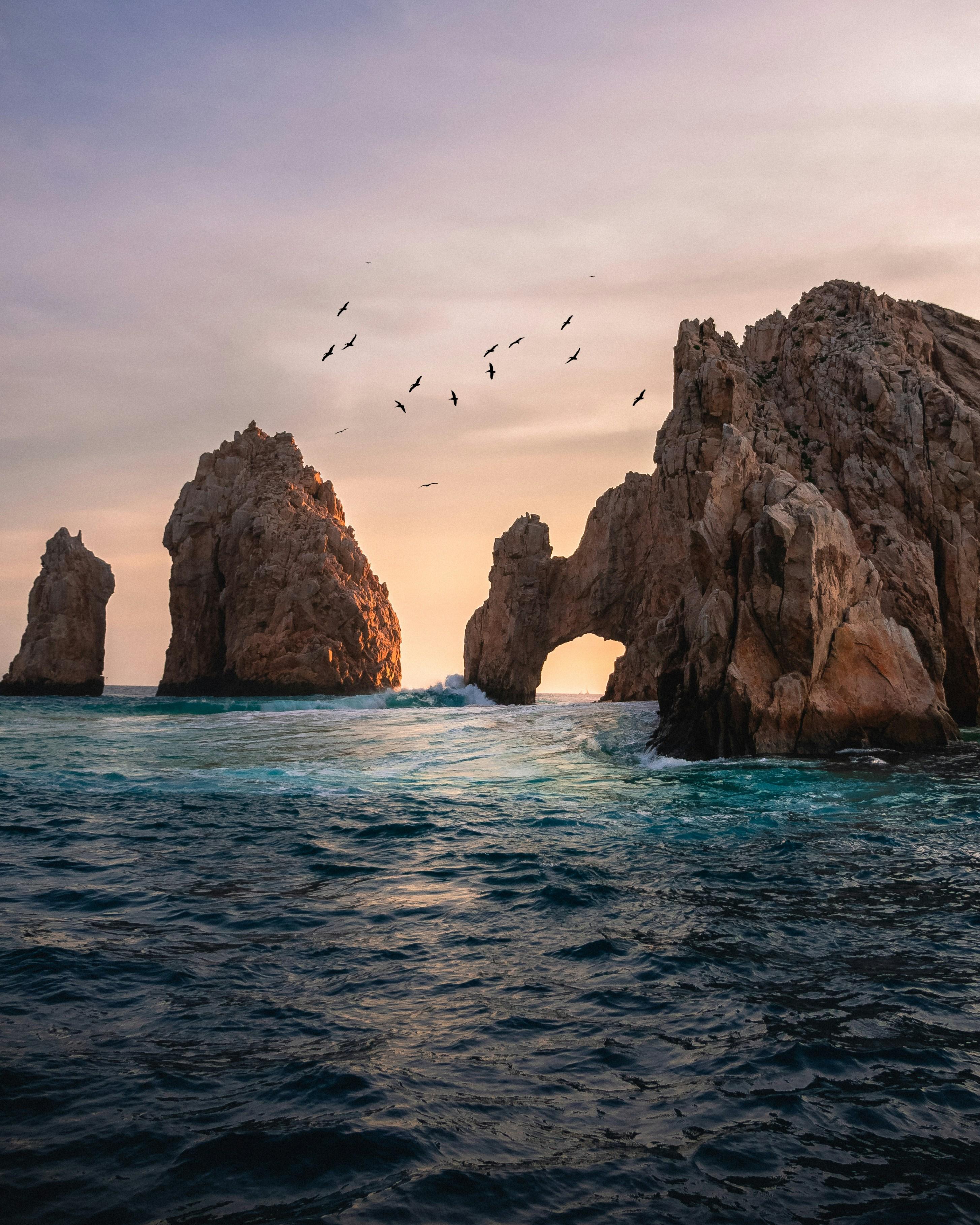
Los Cabos & Baja California
Attracts high-end US buyers, luxury second-home demand, and benefits from limited coastal supply.
→ Capital preservation and lifestyle assets
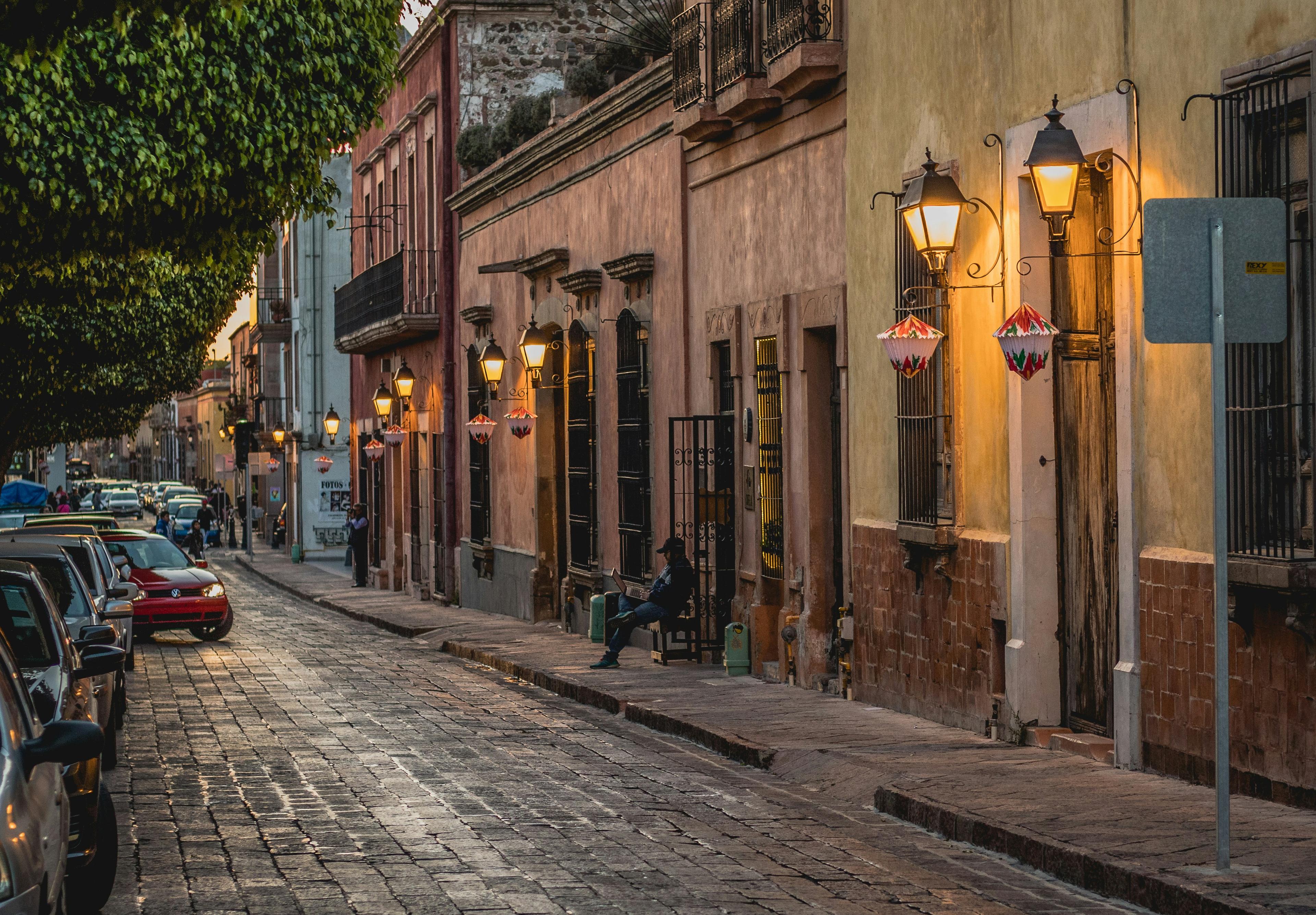
Monterrey & Querétaro
Cities benefiting from near-shoring investment, manufacturing growth, and expanding professional populations.
→ Long-term urban growth strategies
Investment Strategies
Common approaches for Mexico property investment.
Buy-to-rent urban residential
Urban centres support long-term rentals, professional tenant demand, and stable occupancy. This strategy prioritises income durability.
Short-term lifestyle rentals
In coastal and tourism-driven areas, investors focus on vacation rentals and professionally managed developments. Returns are sensitive to location, regulation, and management quality.
Mixed-use lifestyle ownership
Many investors combine personal use, seasonal living, and rental income. This hybrid strategy is common in lifestyle markets.
Where Capital is Flowing
- Well-located urban neighbourhoods
- Infrastructure-supported growth cities
- Professionally managed developments
- Assets aligned with long-term demand drivers
Key Considerations
- Title and trust (fideicomiso) structures for coastal property
- Local regulatory enforcement variability
- Currency exposure
- Security and neighbourhood-level differences
- Liquidity outside prime markets
Read before you invest in Mexico
Buying process, city deep-dives, and on-the-ground neighborhood intelligence
Country buying guide
View all buying guides →
Buying Guide
Mexico Investor Guide
Investing in Mexico -- CDMX, Cancun, Puerto Vallarta, and Navigating the Restricted Zone
City guides
View all city guides →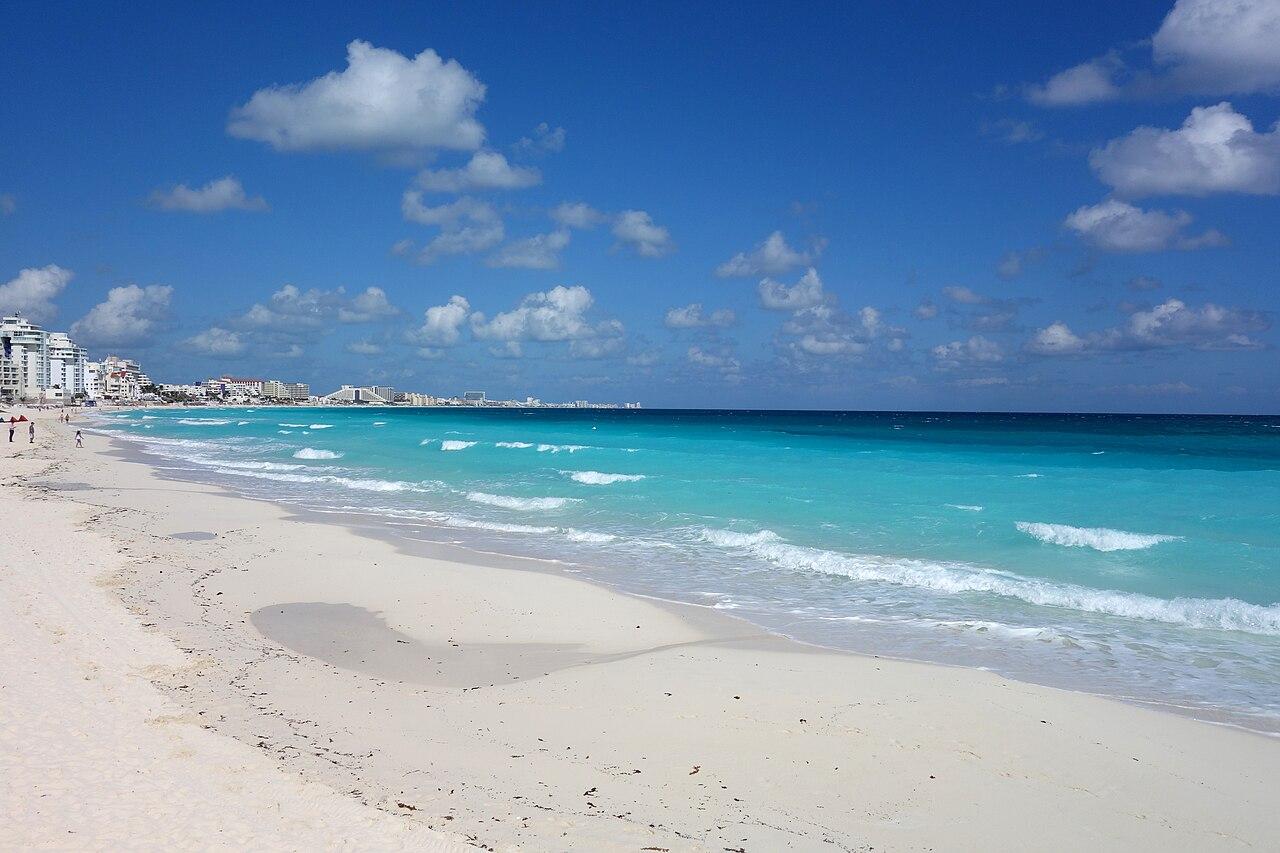
Cancun
Cancun is Mexico's premier Caribbean resort city and the gateway to the Riviera Maya. The city draws 30+ million annual visitors, anchors the Riviera Maya tourism corridor (Playa del Carmen, Tulum, Cozumel), and offers one of the Caribbean's most developed property markets for foreign buyers. Residential prices in beach-adjacent areas (Hotel Zone, Puerto Cancun, Playa Mujeres, Bahia Petempich) range from MXN 50,000-150,000 per square metre (USD 2,500-7,500), with gross yields of 6-12% in short-let depending on management quality. Cancun's Hotel Zone is the deepest short-let market; downtown (Zona Centro) offers materially better value for long-let-focused buyers. For international buyers, Cancun offers strong short-let yields, deep tourism demand, USD-pegged tourism revenue (effectively hedges MXN risk), and modern property infrastructure. The catch: it's in the 'restricted zone' (within 50 km of coast), so foreigners must purchase via the Fideicomiso bank trust structure (routine, but adds cost) or through a Mexican corporation.
8 min read
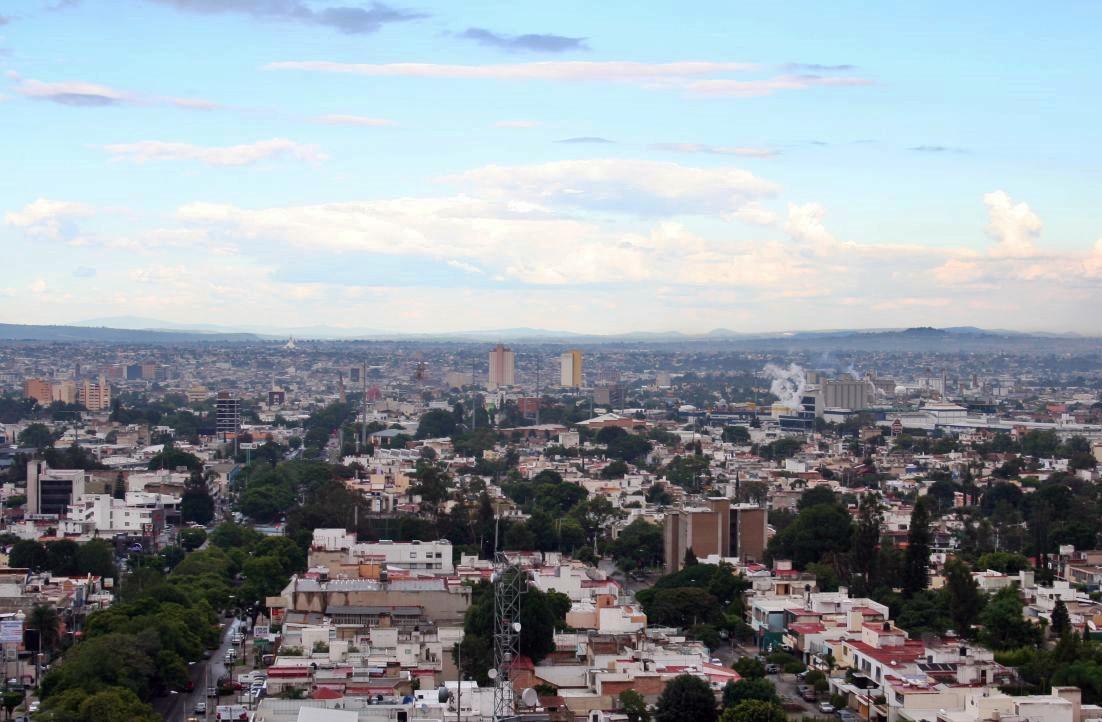
Guadalajara City Guide
Guadalajara, capital of Jalisco and Mexico's second-largest metropolitan area at roughly 5.3-5.6 million people, has emerged as the country's leading technology and lifestyle investment market. Dubbed the Mexican Silicon Valley, the metro hosts over 1,000 tech companies and a fast-growing nearshoring and digital-nomad economy that is reshaping housing demand. Prices have surged, averaging around USD 2,000-2,500 per square metre after a roughly 21% jump in the year to 2025, though growth is now expected to moderate to a healthier 5-10% in 2026. The investment story centres on the revitalised core: trendy districts such as Colonia Americana (named one of the world's coolest neighbourhoods), Providencia, Santa Teresita and Zona Olimpica combine strong appreciation with gross rental yields of roughly 5-8%, and compact Americana studios can lease in about ten days at yields above 7%. Infrastructure is a major tailwind, with the new Linea 4 light-rail line opened in December 2025 and expanded bus-rapid-transit corridors improving connectivity. Mexico places no general restriction on foreign ownership, though property within the restricted coastal or border zone requires a bank trust (fideicomiso), not an issue for inland Guadalajara. Investors should weigh real risks: peso volatility against the US dollar, the rapid recent run-up in prices, local affordability strain, and rising scrutiny of short-term rentals in gentrifying central colonias.
7 min read
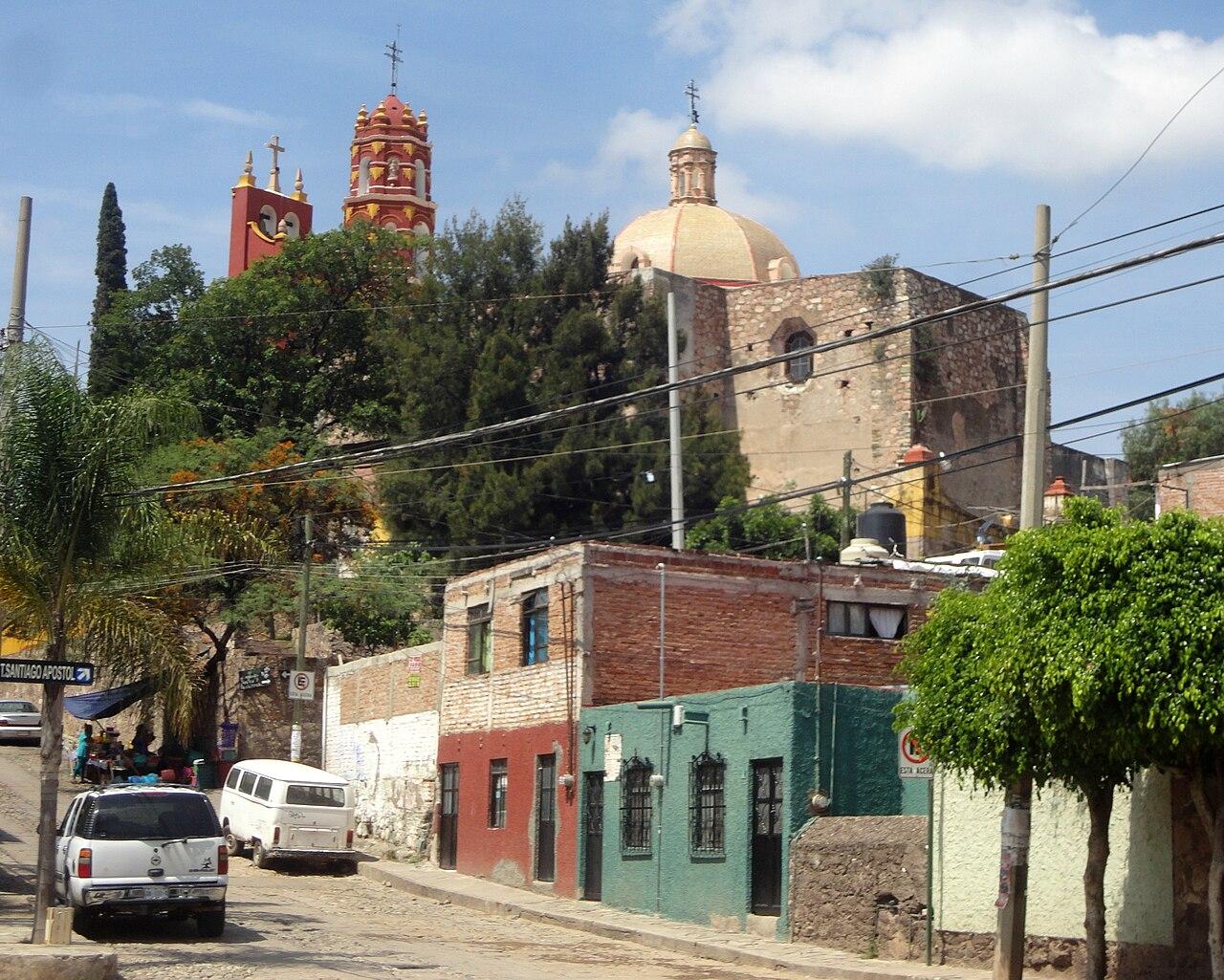
Guanajuato
Guanajuato, the UNESCO-listed colonial silver city in Mexico's Bajio region, is one of the country's most resilient and distinctive inland property markets. Its amphitheater of brightly painted houses, subterranean roads, university culture and Cervantino festival draw steady tourism, a student population, and a growing digital-nomad community. Luxury listings average roughly USD 248 per sqft; median apartment pricing runs near MXN 3,700 per sqft (~MXN 40,000/m2) and houses near MXN 2,200 per sqft in the core, with historic-center homes starting around USD 150,000, fully renovated colonials USD 500,000-plus, and modern condos USD 100,000-300,000. Gross rental yields run 6-8% on long lets and 8-15% on well-run short-term vacation rentals, where prime properties fetch USD 100-200 nightly. Guanajuato state led national housing completions in 2025 and benefits from the Bajio nearshoring wave around Queretaro and the auto corridor. As a fully inland city outside the 50km restricted zone, foreigners buy in direct fee-simple title with no fideicomiso bank trust, an advantage over coastal Mazatlan. Closing costs run 5-8% and acquisition tax 2-4%. Tight historic supply, steady tourism and industrial job growth make Guanajuato a heritage-scarcity play with dependable yields.
8 min read
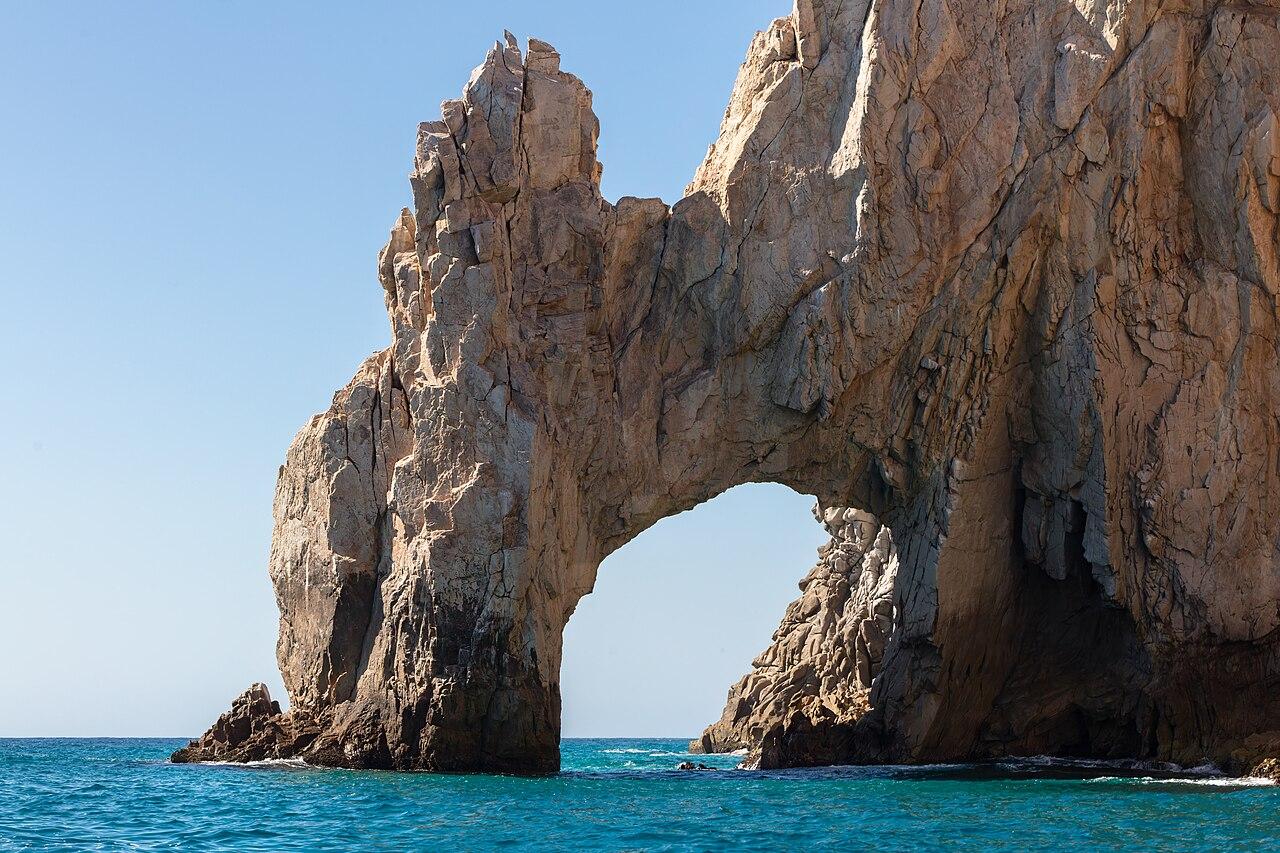
Los Cabos City Guide
Los Cabos, the Baja California Sur destination spanning Cabo San Lucas, San José del Cabo and the resort Tourist Corridor between them, is Mexico's premier luxury beachfront and branded-residence market. Where the Sea of Cortez meets the Pacific, El Médano and marina-adjacent condos in Cabo San Lucas fetch MXN 60,000-110,000/m², roughly triple inland Baja, while the Corridor's gated golf-and-beach communities anchor the top of the market. Prices rose about 9% nominally over the past year (around 5% in real terms), and the short-term seasonal rental segment delivers gross yields of 8-10%, well above comparable US markets, on the strength of US fly-in demand and a long high season. Branded and beachfront residences are the most resilient segment, expected to appreciate 3-5%, while standard condos face a degree of oversupply risk. As a coastal market inside the restricted zone, foreign buyers acquire through a fideicomiso bank trust (setup ~USD 2,500-4,000 plus annual fees), with total transaction costs of roughly 5-7%. The case is dollarised resort income and global-brand scarcity; the trade-offs are restricted-zone friction, condo oversupply at the lower end, and a price-sensitive, negotiation-driven buyer pool.
8 min read
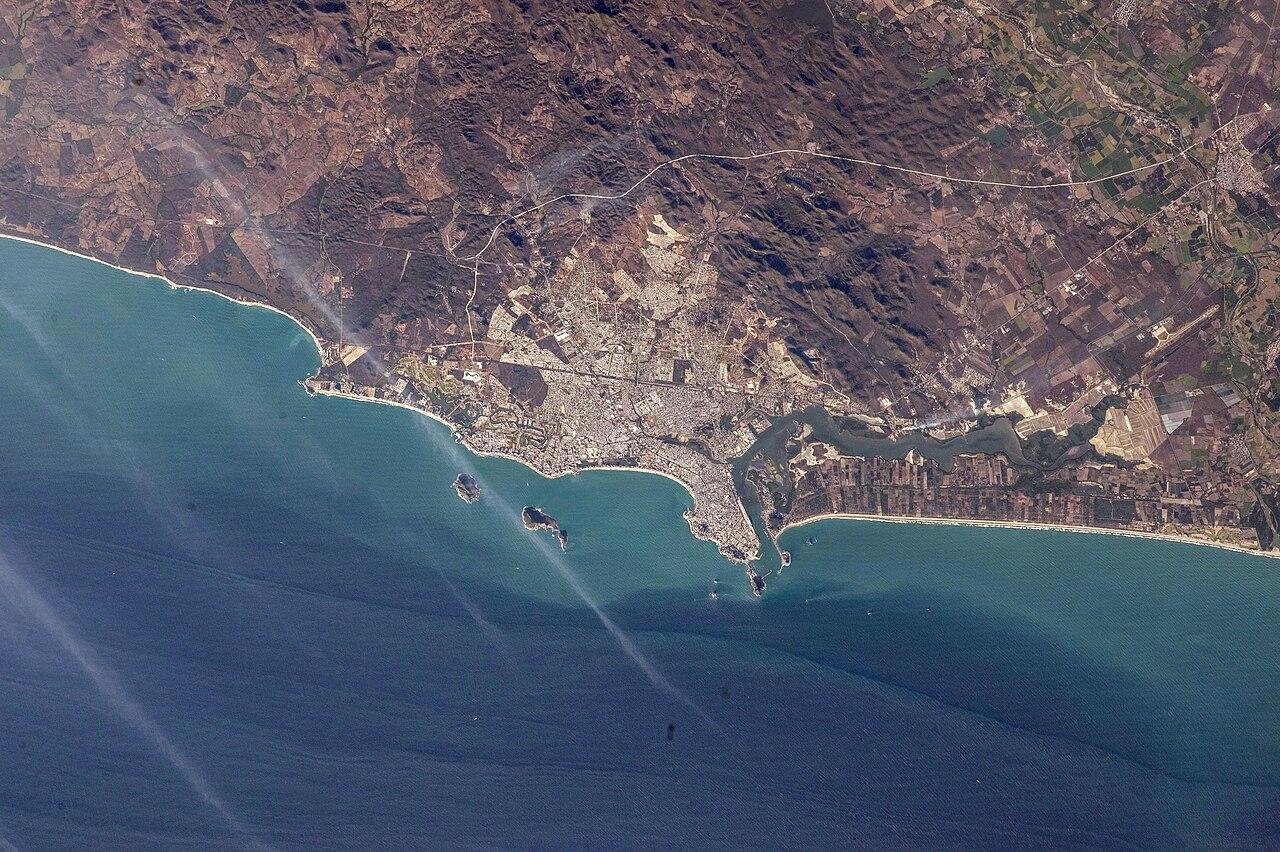
Mazatlán
Mazatlán, the Pacific resort city on Sinaloa's coast, has surged from value beach market to one of Mexico's hottest coastal investment stories, boosted by direct US flights, a revitalized Centro Historico and international recognition. Apartments average around MXN 50,000 per m2 and houses near MXN 28,400 per m2. Beachfront 2-bed condos in the Golden Zone average about USD 515 per sqft (~USD 515,000), oceanfront units start in the low USD 300,000s and reach the USD 600,000s for luxury, while Malecon condos run from the mid USD 200,000s to USD 500,000s. A flourishing tourism sector drives gross rental yields of 6-10%, with peak-season vacation rentals performing strongly. CRITICAL for foreign buyers: Mazatlán sits on the Pacific inside Mexico's constitutional restricted zone (within 50 km of the coast), so foreigners cannot hold direct title and must buy via a fideicomiso bank trust. The trust runs 50 years, renews indefinitely, and grants full rights to use, rent, sell or bequeath; setup runs USD 3,000-5,000 with annual fees of USD 500-800, and the current SRE permit fee is about MXN 21,650. Closing costs run 5-8%. With surging tourism, hospitality investment and snowbird demand, Mazatlán offers coastal appreciation and strong rental income.
8 min read
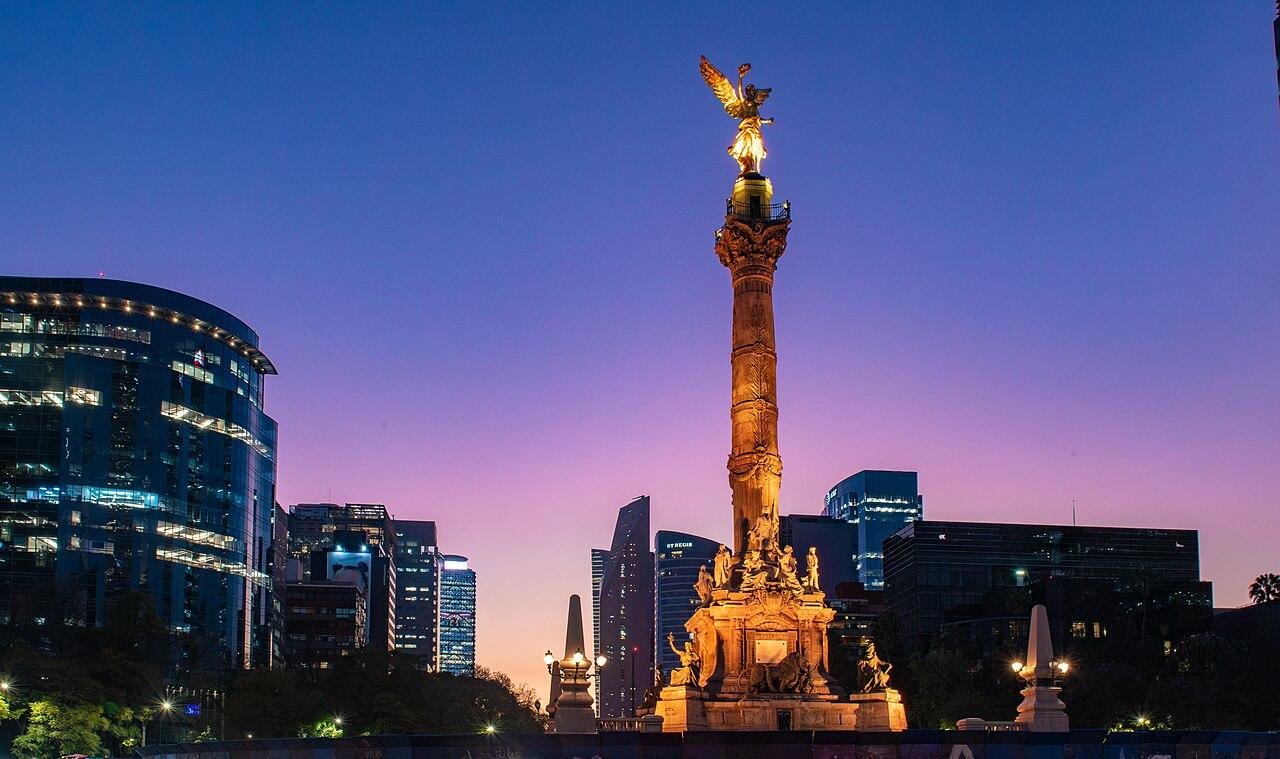
Mexico City
Mexico City (CDMX) is Latin America's largest city by metropolitan population (~22 million), one of the world's great urban cultural capitals, and a magnet for North American remote workers since 2020. The city's distinctive central districts -- Roma Norte, Condesa, Polanco, Coyoacan -- have become some of the world's most demanded short-let and digital-nomad destinations, driving meaningful gentrification and rental price growth. Residential prices in prime districts range from MXN 60,000-180,000 per square metre (USD 3,000-9,000), with gross yields of 5.0-8.0% in long-let and 8-15% in well-located short-lets. Foreign buyers can purchase freehold anywhere outside the 'restricted zone' (within 50 km of coast / 100 km of land border) -- which doesn't affect Mexico City. CDMX is one of the simplest Latin American markets for foreign buyers. For international buyers, CDMX offers strong USD/EUR purchasing power, world-class culture and dining, deep liquidity in central districts, and exceptional short-let demand from US remote workers. The catch: altitude (2,240m, real factor for some buyers), seismic risk, complex traffic, and water security concerns in southern districts.
8 min read
Neighborhood deep-dives
View all neighborhood guides →Cancun
Costa Mujeres
Cancún's newest luxury beachfront frontier, a 930-acre master plan of virgin Caribbean coastline north toward Punta Sam, anchored by St. Regis and premium pre-construction towers.
Cancun
Cumbres
Cancún's fastest-growing mainland residential corridor along Av. Luis Donaldo Colosio, denser, more affordable condo stock built for long-term rental and owner-occupiers.
Cancun
Downtown
Cancun's working downtown, local Cancun life, long-let-focused rental market, and exceptional value vs the Hotel Zone.
Cancun
Hotel Zone
Cancun's iconic 22 km hotel-and-beach strip, premier short-let market, Caribbean beachfront, and Mexico's deepest tourism property market.
Cancun
Malecón Américas
Cancún's emerging urban condo corridor on Av. Bonampak, mid-rise towers beside the Malecón Américas mall and Tajamar lagoon boardwalk, minutes from Puerto Cancún and the Hotel Zone.
Cancun
Playa Mujeres
A 376-hectare gated golf-and-marina resort community north of Cancún, Greg Norman golf, a marina and flagship resorts behind 24/7 controlled access.
Cancun
Puerto Cancún
Cancún's premier master-planned marina enclave, gated golf-and-beach living between the Hotel Zone and downtown, built for branded-residence and USD-rental investors.
Guadalajara
Chapalita
A leafy, traditional upscale district built around the Glorieta Chapalita garden roundabout and its art market.
How INTRIC Supports Your
Mexico Investment
INTRIC does not sell property. INTRIC helps members make better decisions before committing capital.