Property Investment Guide
Switzerland
Capital preservation, currency strength, and generational security
Market Type
Ultra-safe, capital-preservation market
Risk Profile
Very low
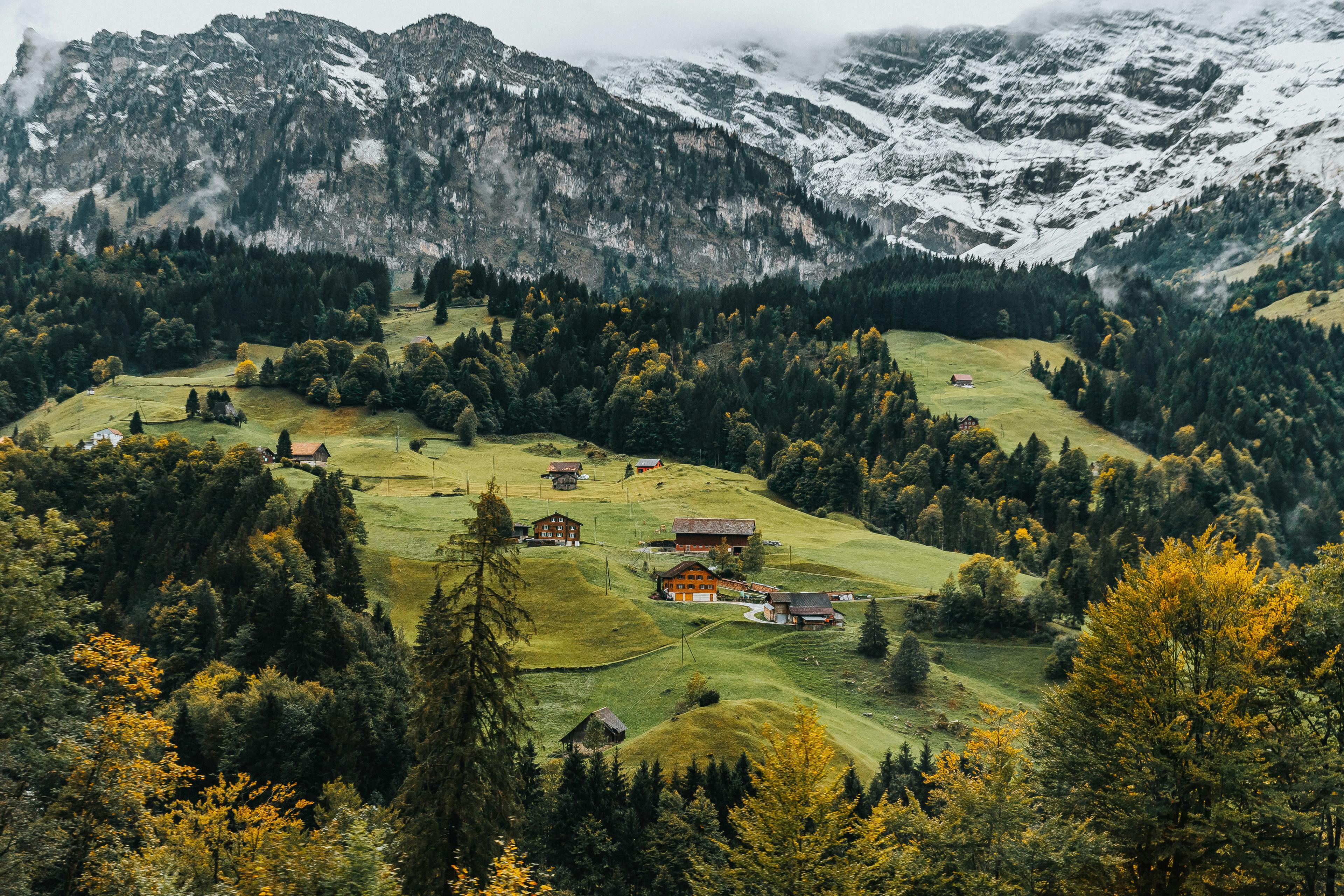
Switzerland is widely regarded as one of the safest and most defensible property markets in the world, long favoured by UHNWIs, family offices, private banks, and globally mobile capital seeking stability above all else. For global investors, Switzerland is positioned as a capital-preservation and wealth-anchoring market, not a yield or speculative growth play.
Ideal For
- UHNWIs prioritising capital preservation
- Family offices seeking generational asset security
- Investors hedging geopolitical and currency risk
- Buyers seeking discreet lifestyle residences
- Capital allocators comfortable with low yield, high safety
Consider Carefully If
- • Yield-maximisation strategies
- • Short-term trading or flipping
- • Investors seeking rapid capital appreciation
- • Buyers unwilling to navigate strict regulations
Why invest in Switzerland?
Key factors driving global investor interest in Switzerland property.
Safe-haven jurisdiction and political neutrality
Switzerland offers long-standing political neutrality, strong democratic institutions, and minimal geopolitical risk. This makes Swiss real estate a safe-haven asset during global uncertainty.
Swiss franc (CHF) strength and currency protection
The Swiss franc is considered a global reserve and safe-haven currency. Property ownership in Switzerland provides natural exposure to CHF, protection against currency debasement elsewhere, and portfolio diversification at the currency level.
Structural undersupply and planning restrictions
Switzerland enforces strict zoning and development limits, environmental and heritage protections, and tight controls on new construction. This creates long-term supply scarcity, especially in prime cities and resort regions.
Key Investment Locations
Prime areas attracting international property investors in Switzerland.
Zurich
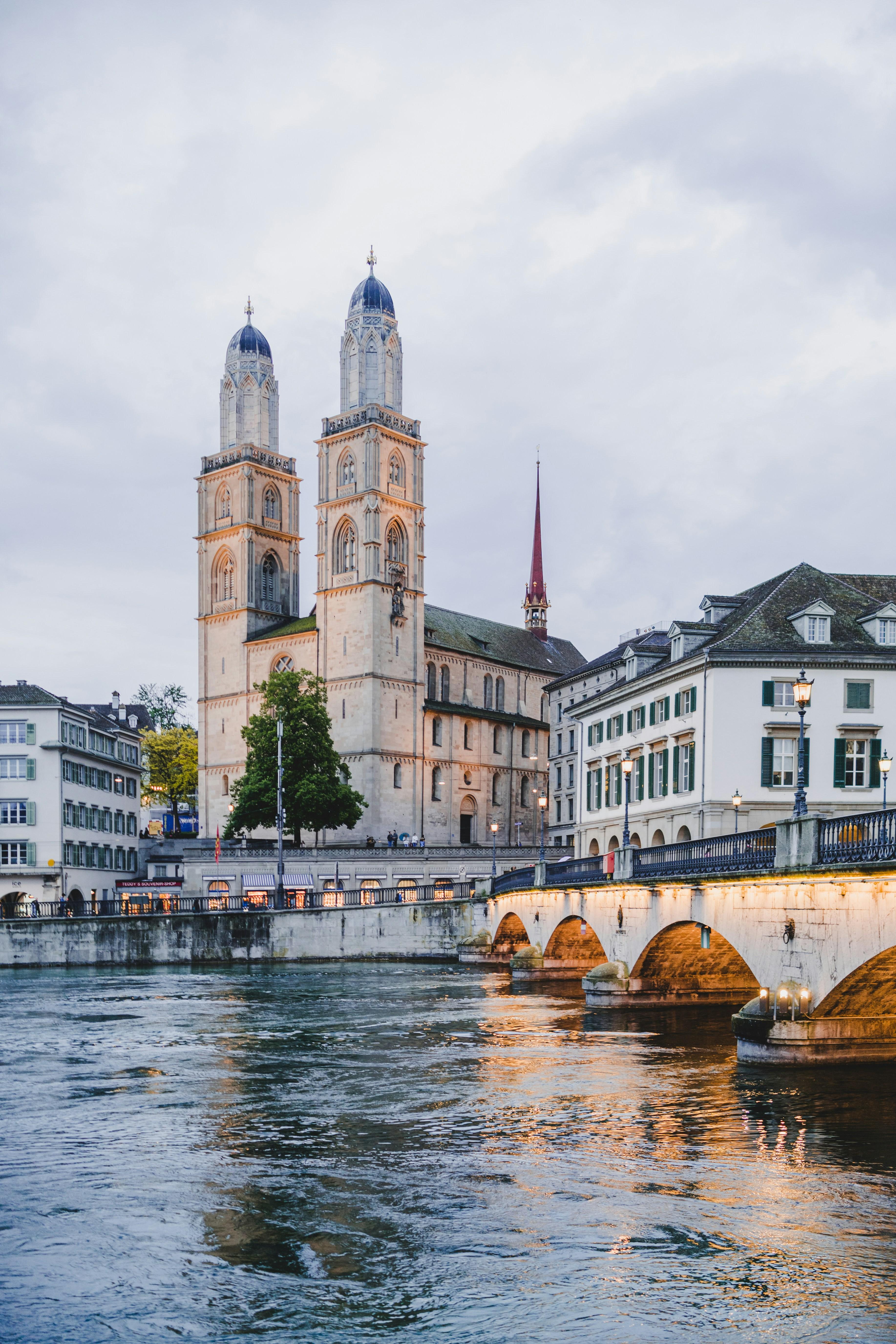
Switzerland's financial and economic centre with extreme housing undersupply, strong professional tenant demand, and global banking presence.
→ Long-term capital preservation and liquidity
Geneva
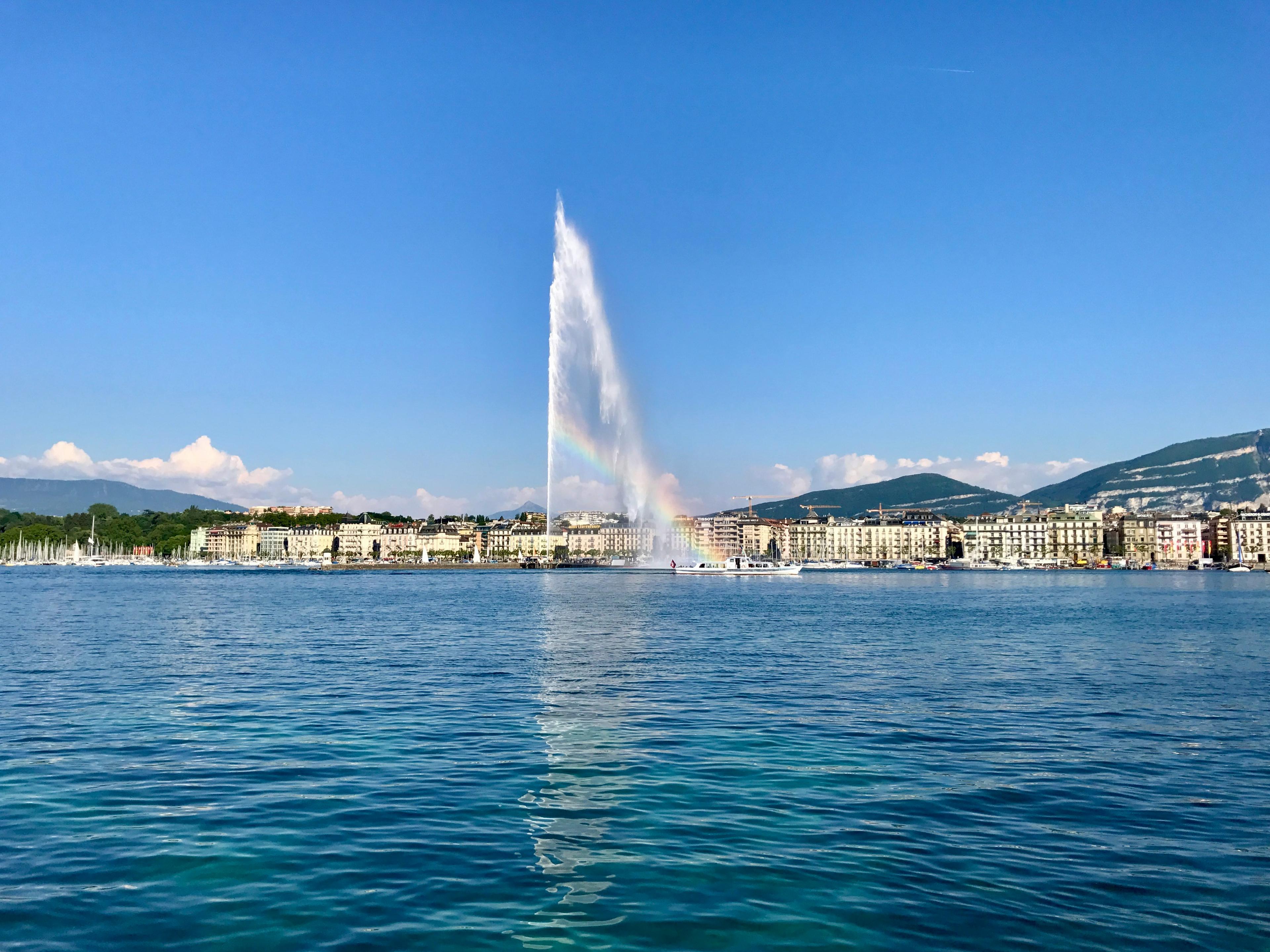
International diplomatic and private-banking hub with demand from international organisations and UHNW residents.
→ Discretion-focused and internationally mobile investors
Zug
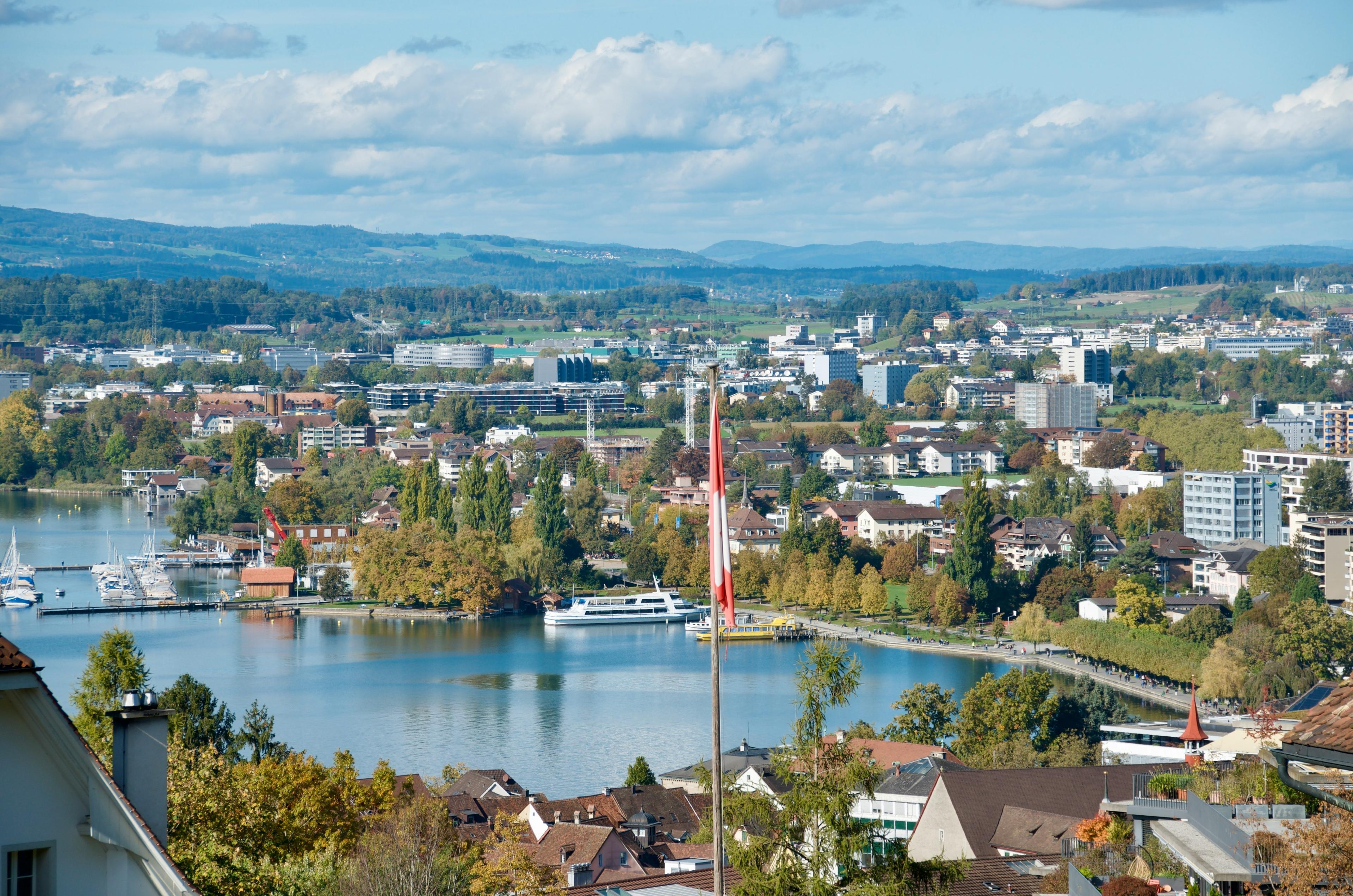
Known for favourable tax environment, concentration of family offices and corporates, and high income demographics.
→ Quiet, ultra-stable residential demand
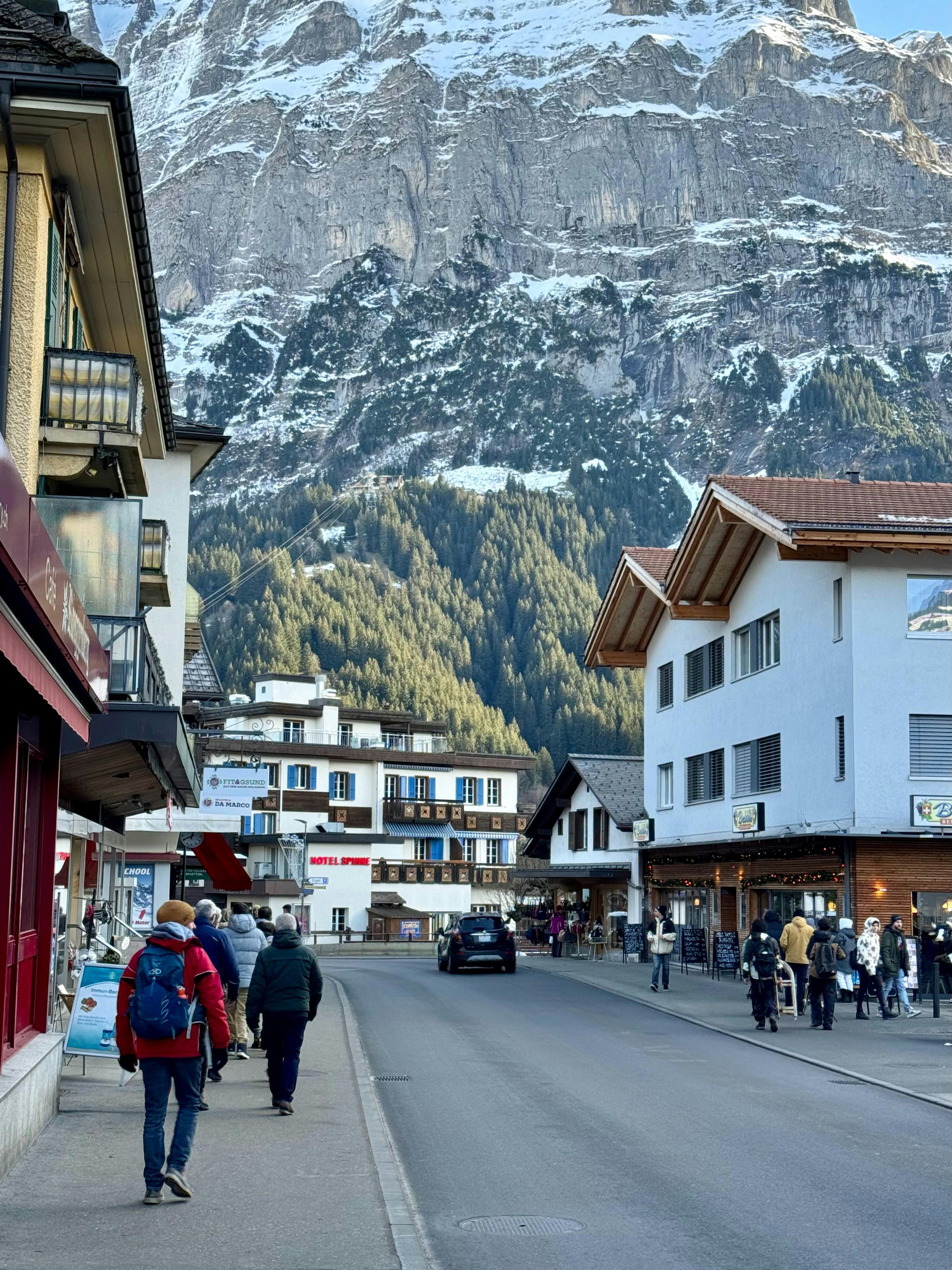
Alpine Resort Markets
Alpine resort markets such as St. Moritz, Gstaad, and Verbier attract global elite buyers and trophy lifestyle ownership.
→ Legacy asset strategies
Investment Strategies
Common approaches for Switzerland property investment.
Capital-preservation residential ownership
Investors prioritise safety of principal, long holding periods, and discreet ownership. Returns are driven by scarcity and currency strength, not yield.
Lifestyle and second-home ownership
Many investors acquire Swiss property for alpine lifestyle, privacy and security, and seasonal living. Rental income is often restricted and secondary.
Wealth anchoring and estate planning
Swiss property is frequently used as a long-term wealth anchor, part of intergenerational planning, and a hedge against global instability.
Where Capital is Flowing
- Prime urban centres with permanent demand
- Resort markets with global recognition
- Assets with minimal future supply risk
- Properties aligned with long-term residency appeal
Key Considerations
- Foreign buyer restrictions (Lex Koller)
- Cantonal differences in regulation and taxation
- Low rental yields
- High acquisition and holding costs
- Limited liquidity in ultra-prime segments
Read before you invest in Switzerland
Buying process, city deep-dives, and on-the-ground neighborhood intelligence
Country buying guide
View all buying guides →
Buying Guide
Switzerland Investor Guide
Investing in the Swiss Confederation -- Zurich, Geneva, and Navigating Lex Koller
City guides
View all city guides →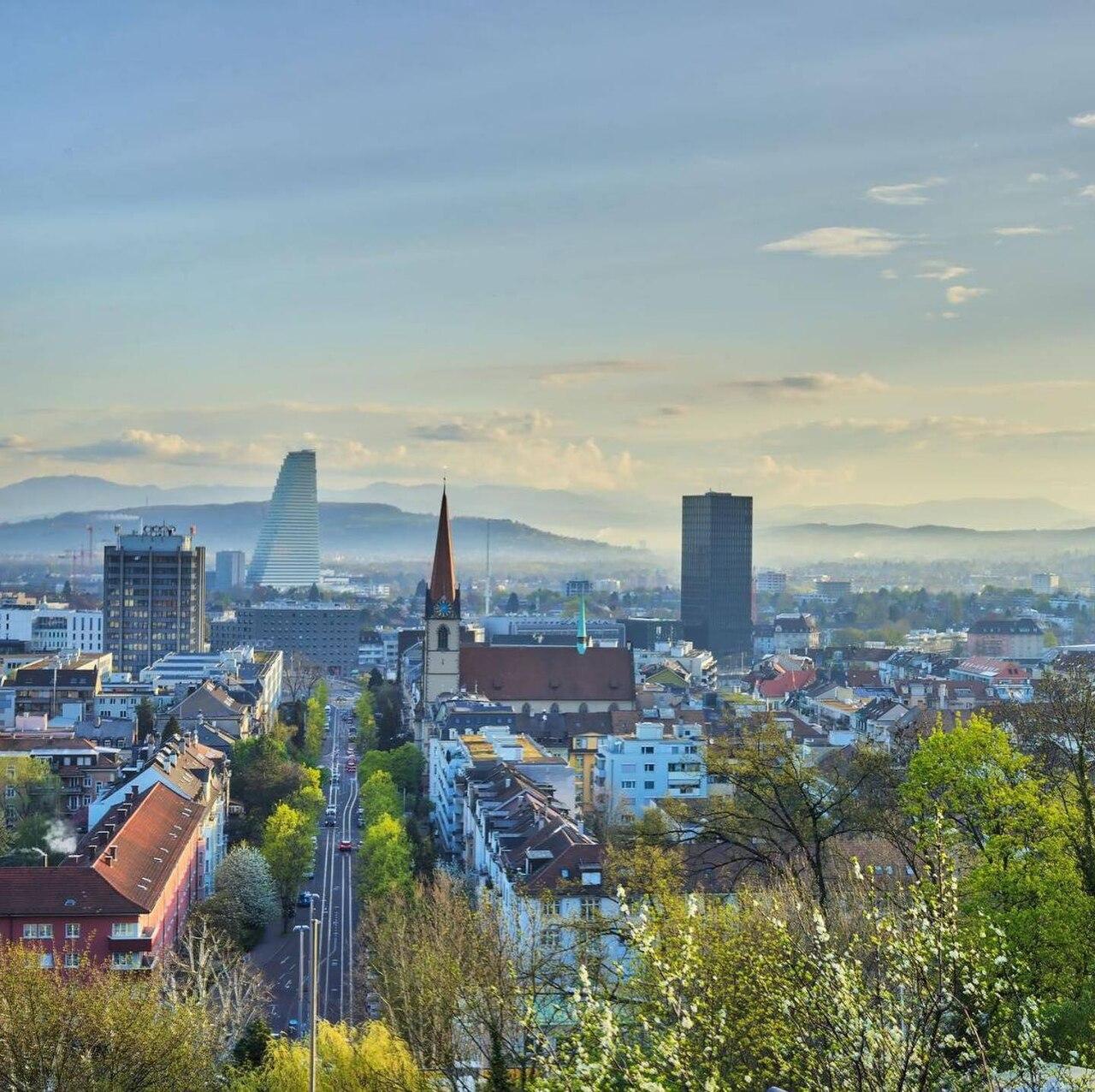
Basel City Guide
Switzerland's life-sciences capital and a tri-border hub where the country meets Germany and France, Basel anchors its property market on one of the world's most resilient employment bases: the global headquarters of Roche, Novartis and Lonza, plus a dense pharmaceutical and biotech cluster that draws high-earning international professionals. This translates into exceptionally tight housing, with citywide vacancy below 1.2% and the Gundeldingen and St. Johann quarters running below 0.5%. Residential prices average roughly CHF 8,500 per square metre, with prime hillside addresses such as Gellert, Bruderholz and St. Alban, and the ultra-prime suburb of Riehen, reaching CHF 9,500–CHF 10,500 and beyond. As is typical for Switzerland, yields are modest and income-led: gross rental yields range roughly 3.0–4.2%, with the strongest returns in mid-market areas like Kleinhüningen, Matthäus and parts of Iselin, while prime apartments compress toward 2.4%. Prices are expected to appreciate a measured 2–4% through 2026, tracking slightly below Zurich. Basel is not a market for aggressive capital growth or speculative flips; rather, its structurally stable pharma employment, sub-1% vacancy and Swiss-franc safe-haven status make it a premier choice for conservative investors prioritising capital protection and consistent rental income.
7 min read
Geneva
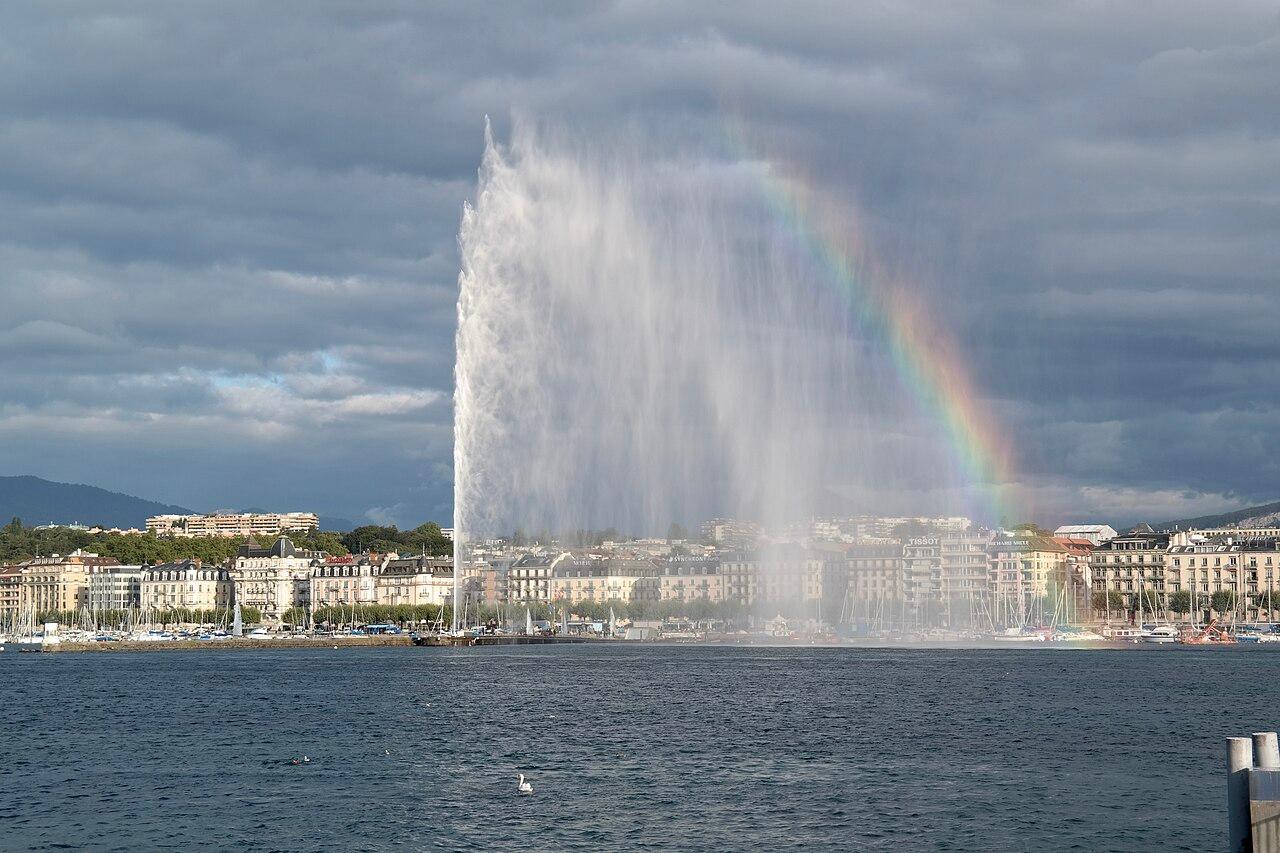
Geneva is Switzerland's second-largest city and its most international: home to the UN European HQ, WHO, WTO, ICRC, CERN, and 25+ other international organisations alongside major private banks and trading houses. The local market is among Europe's tightest -- Geneva's geographical constraints (Lake Geneva, the French border, the Alps) leave almost no room for expansion, sustaining permanent supply pressure. Residential prices run CHF 13,000-22,000 per square metre in central districts (Eaux-Vives, Champel, Old Town, Plainpalais), with gross yields of 2.5-3.5% -- among the lowest in Switzerland. The very high concentration of international civil servants, diplomats, traders, and private bankers underpins consistent rental demand at premium price points. Lex Koller applies as it does in Zurich: non-resident foreigners face restrictions. Best suited to international families relocating with Geneva-based work, or to high-net-worth buyers using authorized commercial structures. Yields are thin but rental stability is exceptional.
8 min read
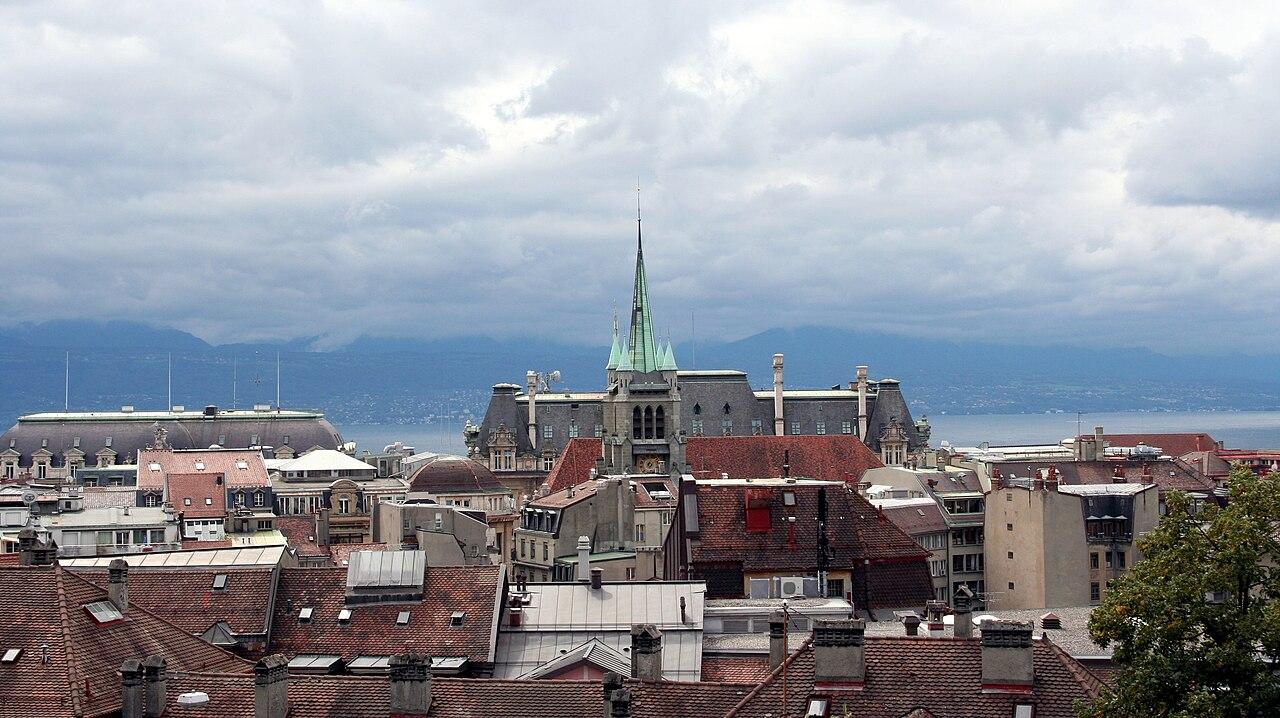
Lausanne City Guide
Rising steeply from the shores of Lake Geneva in the French-speaking canton of Vaud, Lausanne is the Olympic Capital, global home of the International Olympic Committee, and one of western Switzerland's most consistently demanded residential markets. The city blends an institutional economic base (the IOC and dozens of international sports federations), a world-class research and education cluster around EPFL and the University of Lausanne, and a thriving medtech and biotech corridor along the lakeshore. Prices are firmly in the Swiss top tier: residential stock averages around CHF 11,460–11,567 per square metre, with newer developments and lake-view properties in Ouchy and Vidy reaching CHF 13,000–14,500. Over the past year apartment prices rose about 2.5% (houses +0.7%), and a further 2.5–3.2% appreciation is projected over the next 12 months. As across Switzerland, yields are income-led and modest, gross yields range roughly 2.8–4.2%, with the highest returns in emerging and redevelopment districts rather than prime lakefront. With tight controlled inventory, high tenant quality anchored by students and international institutions, and the safe-haven Swiss franc, Lausanne offers conservative investors a stable, capital-preserving hold rather than a high-yield or speculative play.
7 min read
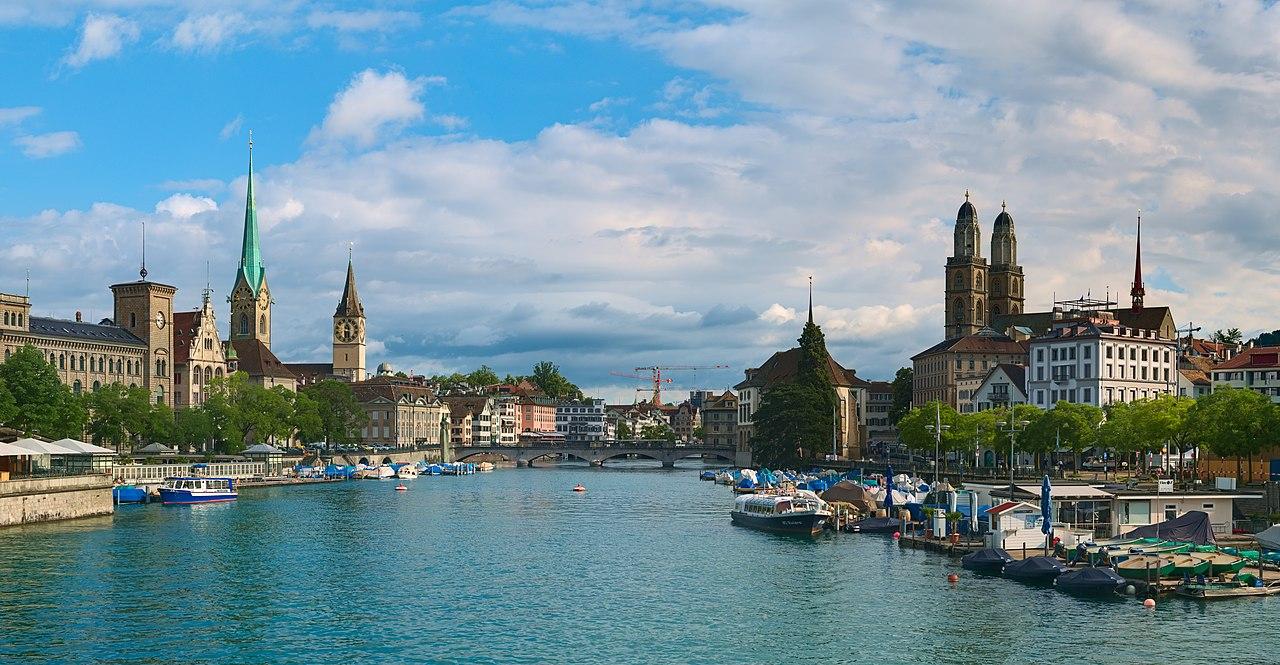
Zurich
Zurich is Switzerland's largest city, its financial capital, and consistently ranked among the world's top-3 cities for quality of life. The Lex Koller law restricts non-resident foreign ownership of residential property -- but EU/EFTA residents with Swiss work permits, holders of B/C permits, and qualifying buyers can access the market. Property prices and rents are among the highest in the world. Central districts (Kreis 1, 6, 7, 8) command CHF 17,000-28,000 per square metre, with peripheral areas at CHF 11,000-15,000. Gross rental yields are tight at 2.2-3.2% -- Switzerland's status as a global safe haven compresses yields heavily. The Swiss National Bank's 2024 rate cuts back to 0.5% have re-energised price growth after a brief 2022-23 pause. For international buyers, Zurich is the ultimate capital-preservation play: AAA sovereign rating, CHF strength, deep institutional liquidity, English-friendly banking, and a tenant pool of Google, UBS, Credit Suisse legacy operations, and major reinsurers. The catch: foreign ownership rules are restrictive, transaction costs are 5-6%, and yields are paltry. Treat as wealth storage, not yield.
8 min read
Neighborhood deep-dives
View all neighborhood guides →Basel
Altstadt
One of Europe's best-preserved old towns, where the Muenster, the Rhine and 200 fountains frame Swiss city life
Basel
Bachletten
One of Basel's most elegant quarters, all Belle Epoque apartment houses, tree-lined avenues and refined calm
Basel
Gellert
Basel's leafy villa belt, a quiet district of garden houses and reputable schools favoured by established families
Basel
Gundeldingen
Basel's diverse, foodie 'Gundeli', an up-and-coming district just behind the main station
Basel
St. Alban
Basel's gracious riverside museum quarter, where medieval mill lanes meet the Rhine and the Kunstmuseum
Geneva
Carouge
Geneva's Italianate 'Little Italy', a cobbled district of trattorias, artisans and terraces with the area's best rental demand
Geneva
Champel
Geneva's leafy, bourgeois hillside district, prized for spacious homes, gardens and proximity to the hospital and university
Geneva
Eaux-Vives
Geneva's lakefront premium residential, wide tree-shaded streets, Parc de la Grange, and walking access to Lake Geneva.
How INTRIC Supports Your
Switzerland Investment
INTRIC does not sell property. INTRIC helps members make better decisions before committing capital.