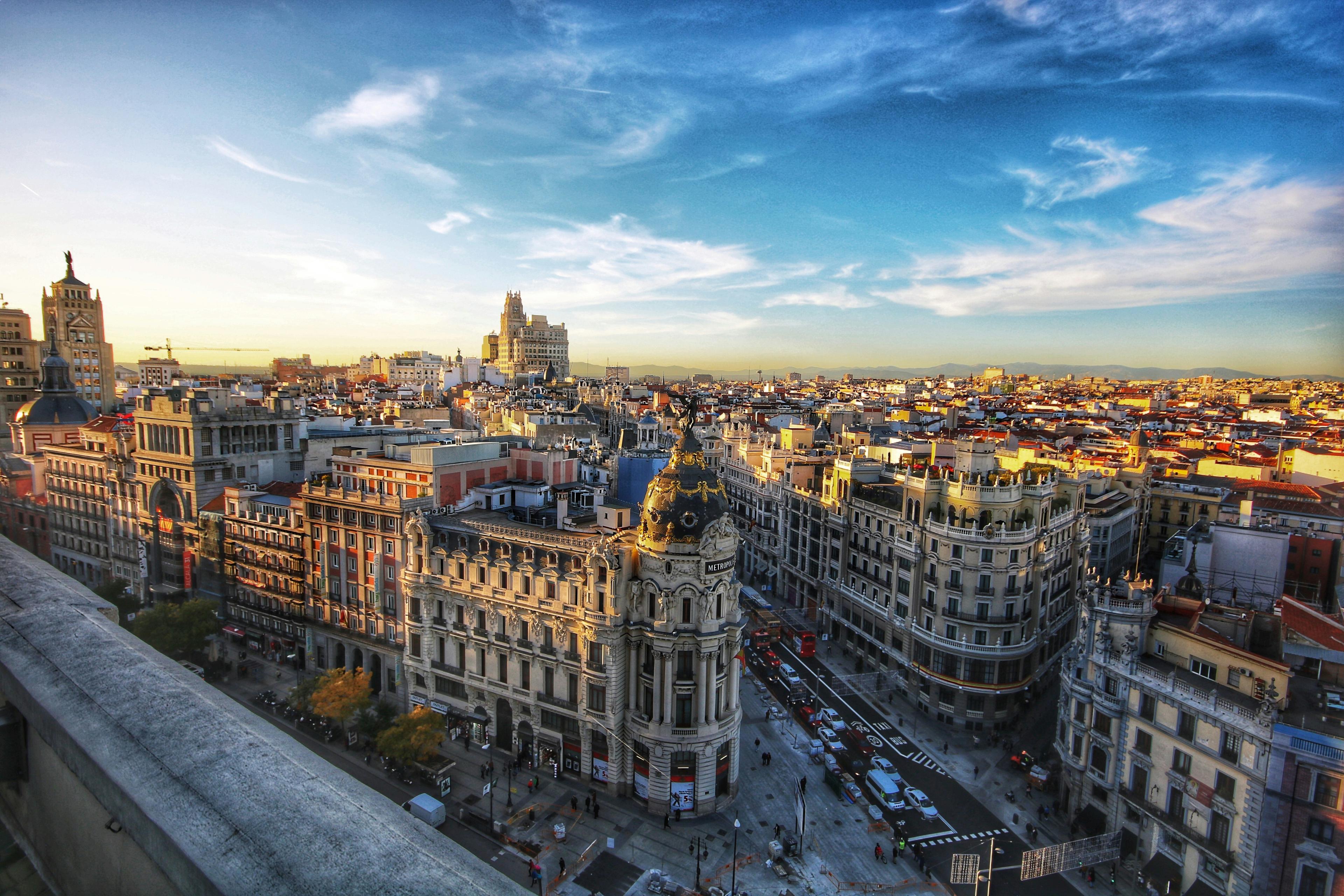
Property Investment Guide
Spain
Lifestyle scale, international demand, and long-term European value
Market Type
Liquid European lifestyle market
Risk Profile
Low to moderate (region-dependent)
Spain is one of the world's most established and internationally traded lifestyle property markets, offering an exceptional combination of climate, culture, infrastructure, and depth of demand. For global investors, Spain is typically positioned as a core lifestyle allocation with selective income and growth opportunities, rather than a purely speculative or defensive market.
Ideal For
- HNWIs seeking Mediterranean lifestyle exposure
- Family offices diversifying into liquid European markets
- Buyers planning second homes or future relocation
- Investors combining lifestyle with rental income
- Capital allocators seeking depth, scale, and exit liquidity
Consider Carefully If
- • Purely institutional yield strategies without localisation
- • Short-term speculation without regulatory awareness
- • Investors seeking uniform dynamics across all regions
Why invest in Spain?
Key factors driving global investor interest in Spain property.
Unmatched international lifestyle demand
Spain attracts buyers from Northern and Western Europe, the UK and Ireland, and North America and the Middle East. Drivers include climate and coastal living, food, culture, and social lifestyle, and ease of travel and long-stay living. This creates persistent cross-border demand.
Market depth and liquidity
Unlike many lifestyle markets, Spain offers high transaction volumes, established resale markets, and professional brokerage and legal ecosystems. This depth supports entry and exit flexibility.
Regional diversity of investment strategies
Spain is not a single market. Investors can pursue urban rental strategies, coastal second-home ownership, resort and leisure assets, and long-stay and relocation-driven demand. This diversity allows portfolio-level strategy alignment.
Properties in Spain
Curated by INTRIC
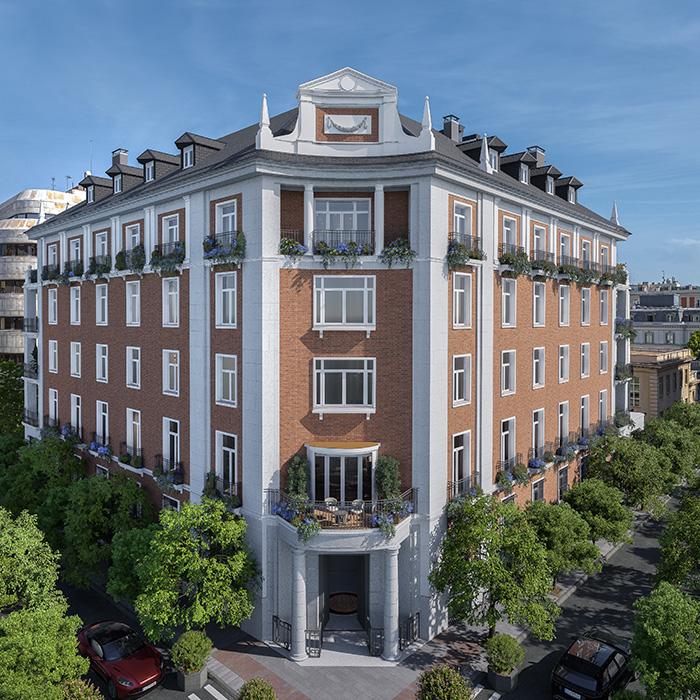
Branded Heritage Apartment in Madrid, Spain
Restored 1948 landmark residences in Madrid's Salamanca district
Price
EUR 3.00M – EUR 16.00M
Flexible payment plan available. Contact for detailed payment schedule and financing options.
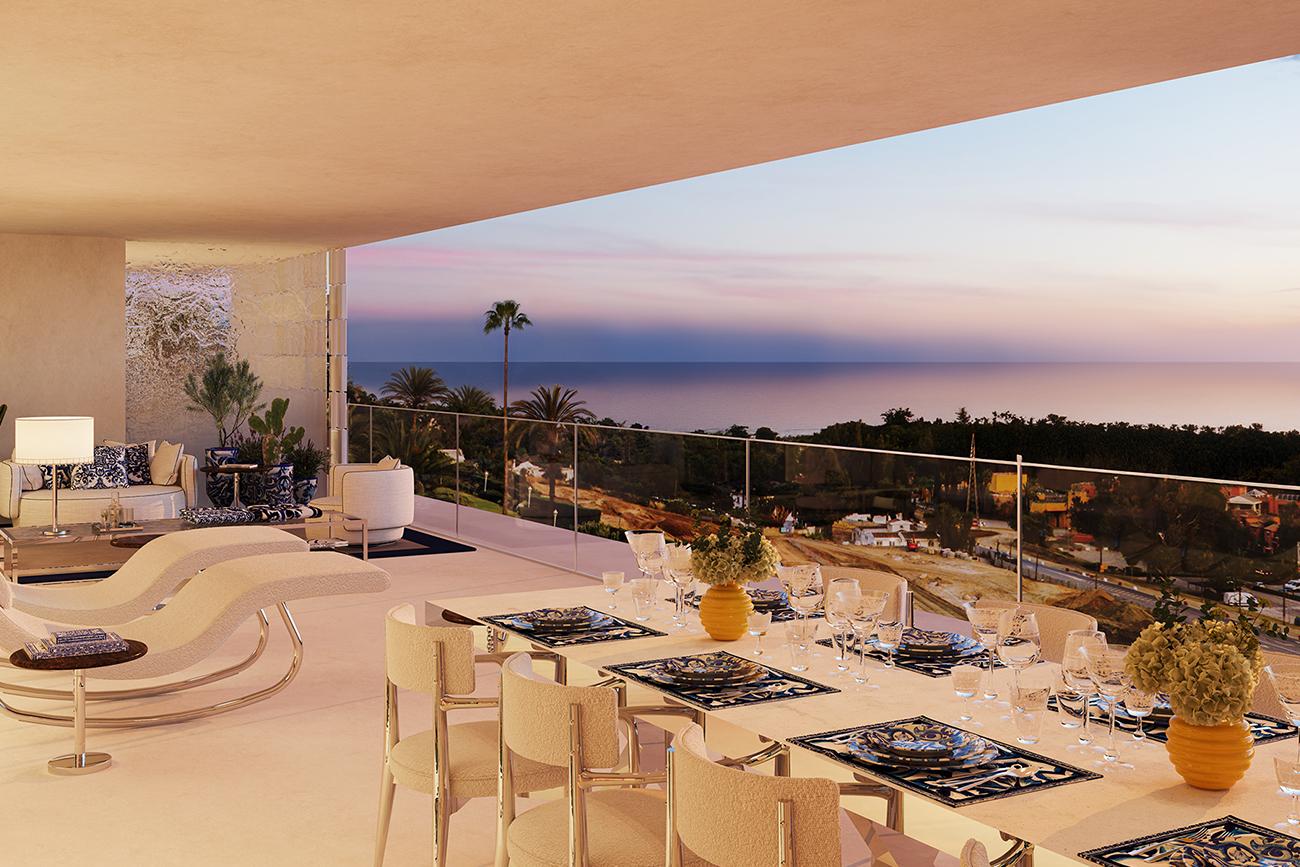
Branded Apartment in Marbella, Spain
First European fashion-house residences on Marbella's Golden Mile
Price
EUR 4.79M – EUR 25.00M
Speak to Specialist
Key Investment Locations
Prime areas attracting international property investors in Spain.
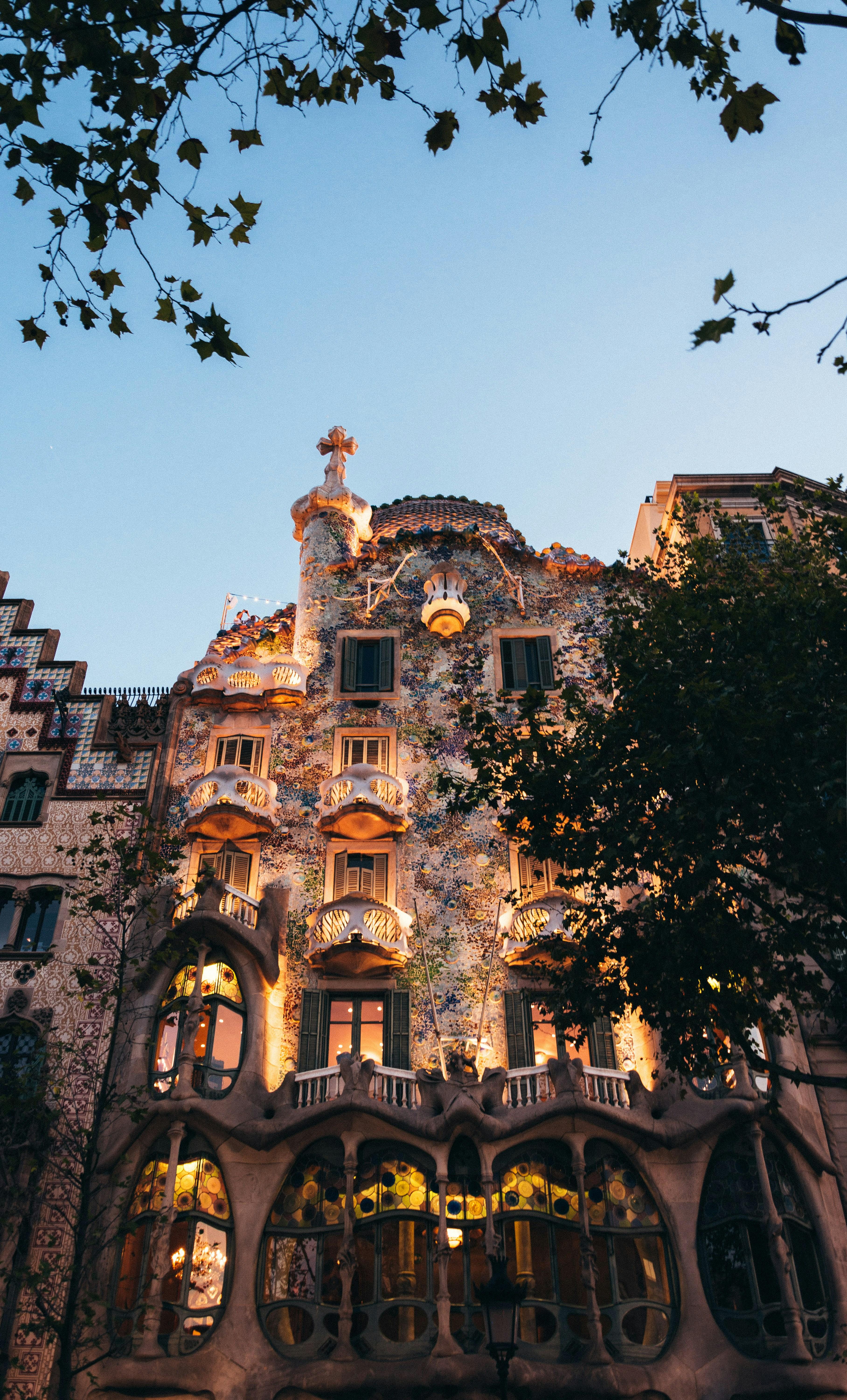
Barcelona
Spain's most globally recognised urban market with strong international tenant and buyer demand and limited supply in central districts.
→ Urban lifestyle, rental demand, and long-term desirability
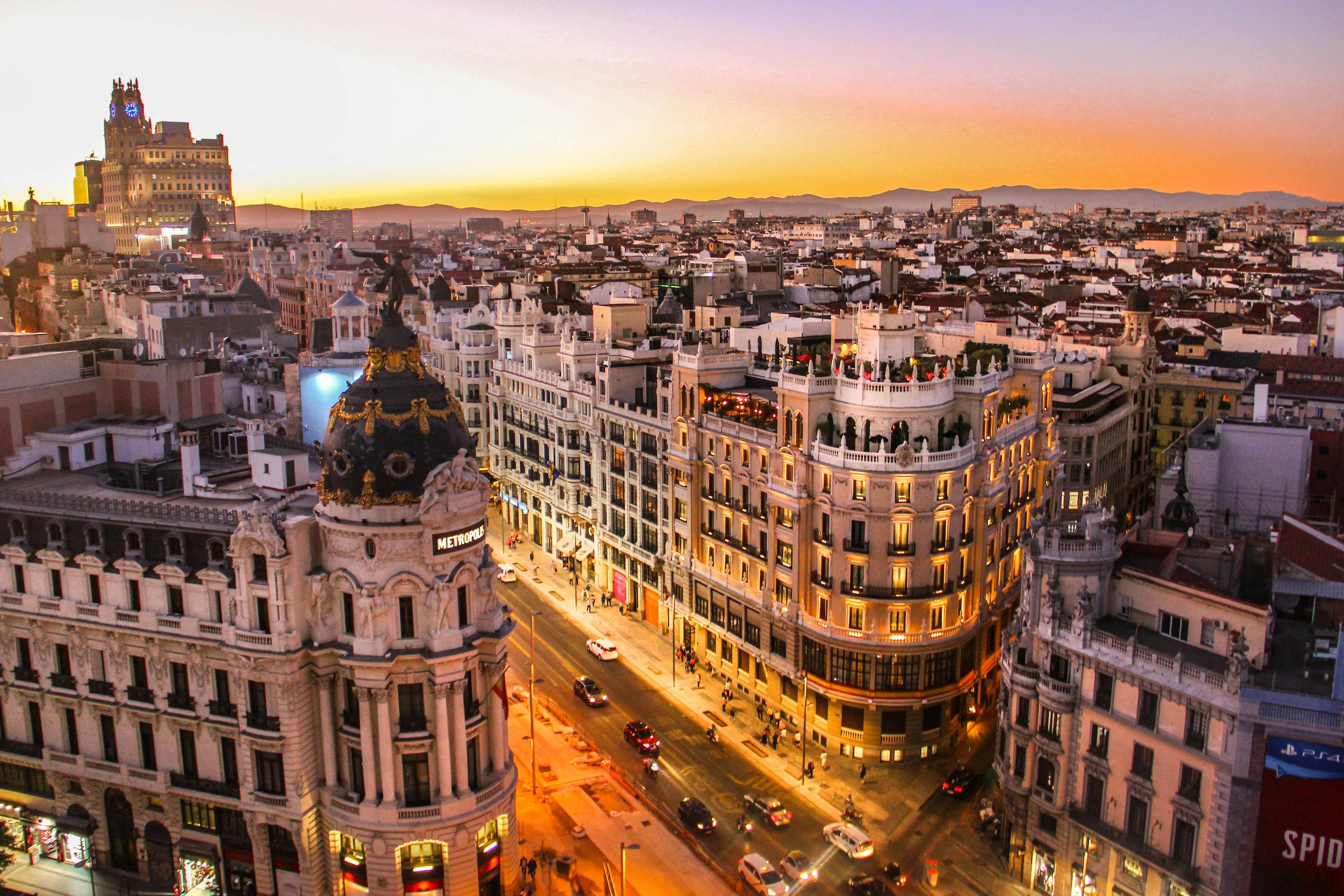
Madrid
Spain's political and financial capital with strong domestic rental demand, growing international buyer interest, and urban regeneration.
→ Liquidity and long-term urban growth
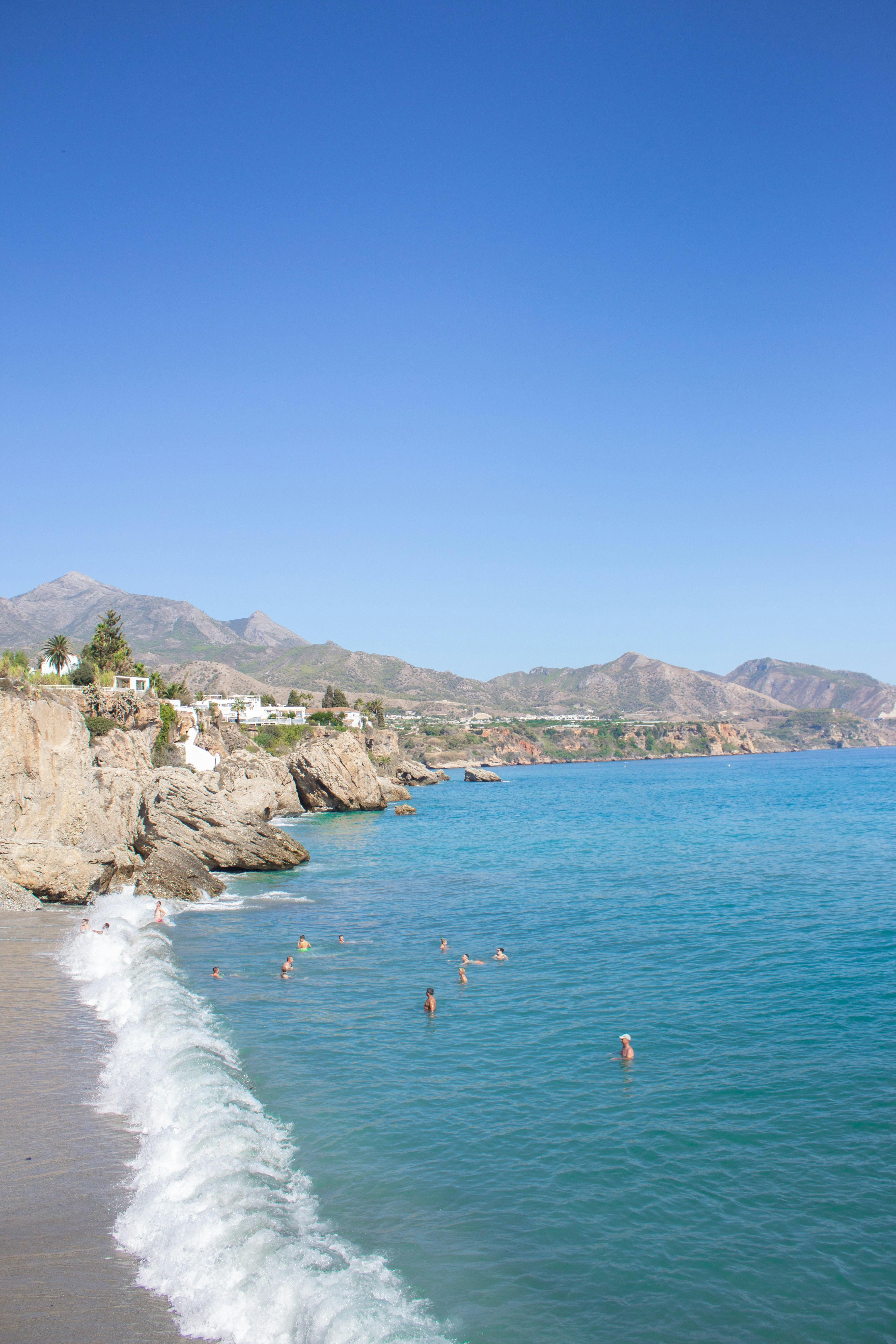
Costa del Sol
One of Europe's largest lifestyle property markets with sustained demand from European and international buyers.
→ Lifestyle-led ownership with rental optionality
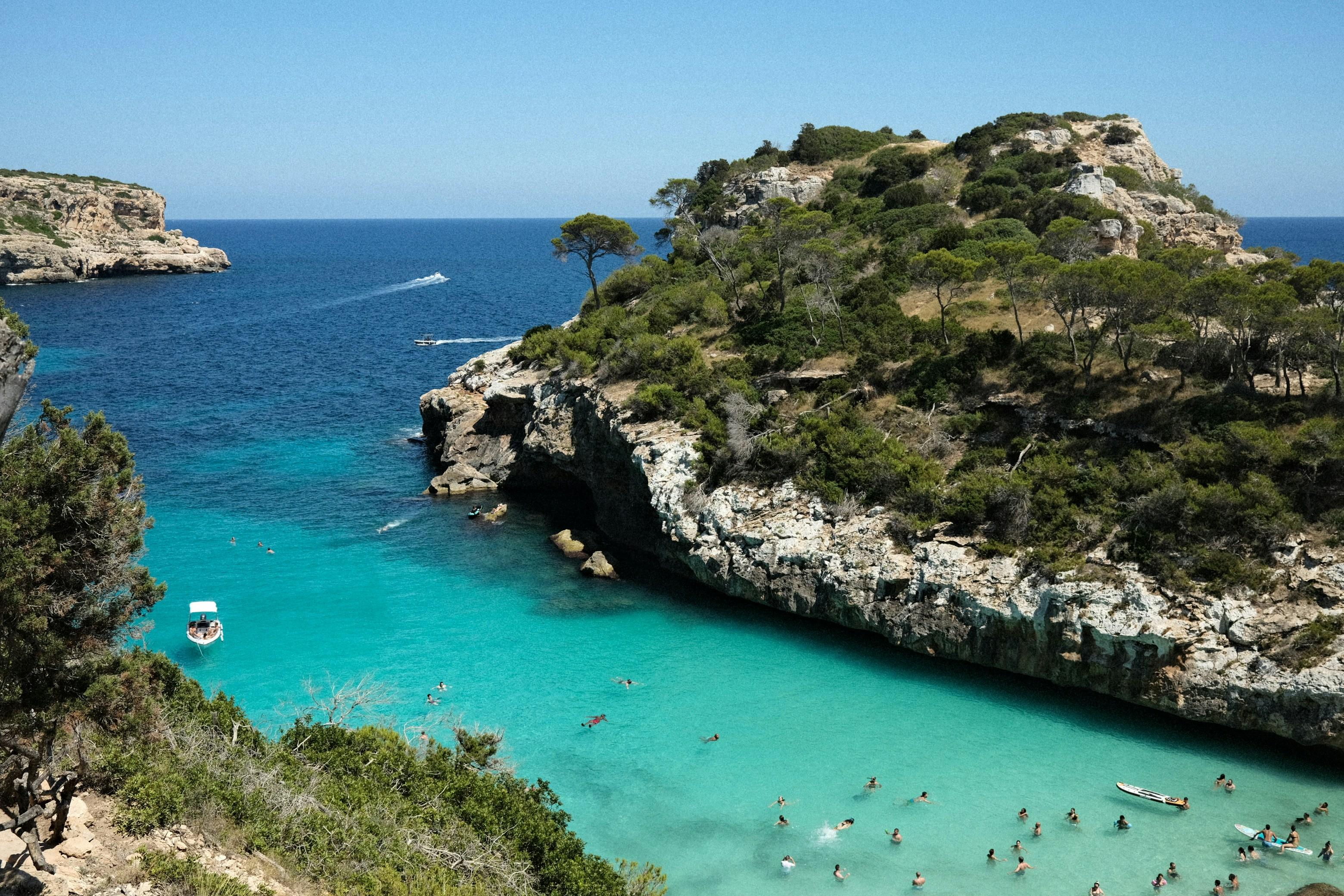
Balearic Islands (Mallorca, Ibiza)
Spain's premium island markets with extreme international appeal, supply constraints in prime areas, and strong trophy-asset dynamics.
→ Capital preservation and lifestyle prestige strategies
Investment Strategies
Common approaches for Spain property investment.
Lifestyle and second-home ownership
Investors prioritise personal use, long-term enjoyment, and family and legacy considerations. Rental income often offsets holding costs.
Buy-to-rent residential (selective)
In cities like Madrid and Barcelona, investors focus on long-term rentals and professional and international tenants. This strategy supports moderate yields with strong liquidity.
Short-term and flexible rental strategies
In approved zones, some investors pursue holiday rentals and mixed-use rental models. These strategies require regulatory awareness and professional management.
Where Capital is Flowing
- Prime urban districts with demand depth
- Internationally recognised lifestyle regions
- Properties suitable for both use and resale
- Assets aligned with long-stay and relocation trends
Key Considerations
- Regional regulation differences (especially rental rules)
- Taxation and structuring choices
- Seasonality in certain lifestyle markets
- Liquidity variations outside prime locations
Read before you invest in Spain
Buying process, city deep-dives, and on-the-ground neighborhood intelligence
Country buying guide
View all buying guides →
Buying Guide
Spain Investor Guide
Navigate post-Golden-Visa Spain — strong yields, Eurozone-leading economic growth, and Europe's most attractive Mediterranean lifestyle market
City guides
View all city guides →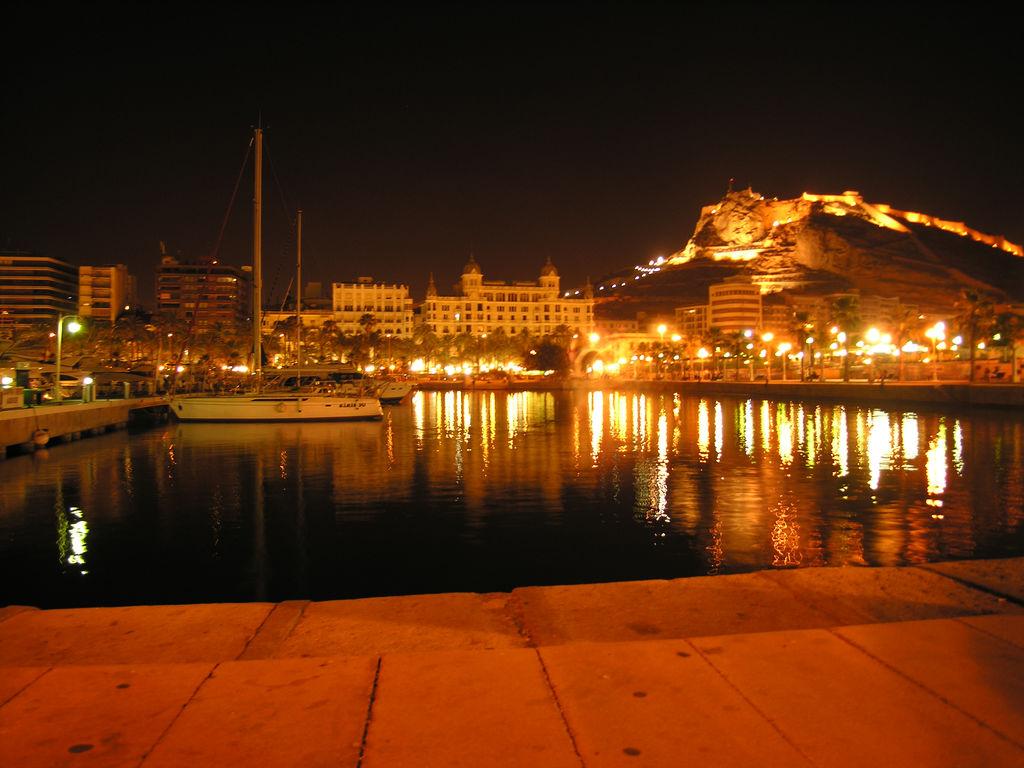
Alicante City Guide
Alicante, the gateway city of the Costa Blanca, is the most international property market in Spain. Foreign buyers account for close to half of all transactions in the province, drawn by 300-plus days of sunshine a year, a busy international airport and direct beach access. Prices have climbed sharply: the city average reached roughly 2,435-2,508 euros per square metre by early 2026, a year-on-year rise of around 16%, yet values remain affordable next to Spain's capitals and prime coastal hotspots. Rental yields are competitive at about 5.5% gross for long lets, while short-term holiday rentals in premium seafront areas can return 6-10% per annum given the year-round tourism season. Demand is broad-based (UK, German, Dutch, Scandinavian and Belgian buyers dominate the international segment), and emerging neighbourhoods such as San Blas-PAU and Villafranqueza posted growth above 22% in 2025. Nearby Costa Blanca markets like Torrevieja, La Mata and Punta Prima offer higher-yield, lower-priced alternatives. As a Eurozone destination Alicante provides currency and legal stability, but investors must weigh genuine risks: rapid price appreciation raises overheating concerns, Spain ended its Golden Visa in 2025 (removing the residency-by-purchase route), and several municipalities are tightening short-term-rental licensing.
7 min read

Barcelona City Guide
Barcelona, the capital of Catalonia, blends Mediterranean lifestyle, world-class beaches and the unmistakable modernisme of Antoni Gaudi (Sagrada Familia, Park Guell, Casa Batllo) with a fast-growing tech and startup economy anchored in the 22@ innovation district. It is a top global tourism destination and a magnet for international residents - foreign nationals make up around 26% of the city's population. Foreigners can buy property freely with no nationality restrictions, but the investment landscape has shifted sharply. Spain abolished its Golden Visa (residency-by-property-investment): the program closed to new applicants on 3 April 2025. Barcelona is also phasing out short-term tourist-rental apartments - the city will not renew any of its ~10,000 HUT (tourist-use housing) licences when they expire in November 2028, effectively ending legal tourist flats (a phase-out upheld by Spain's Constitutional Court). Separately, in January 2025 the central government proposed a tax of up to 100% on second-hand homes bought by non-EU non-residents; this remains a proposal, not law, and faces significant legal and political obstacles.
8 min read
Madrid City Guide
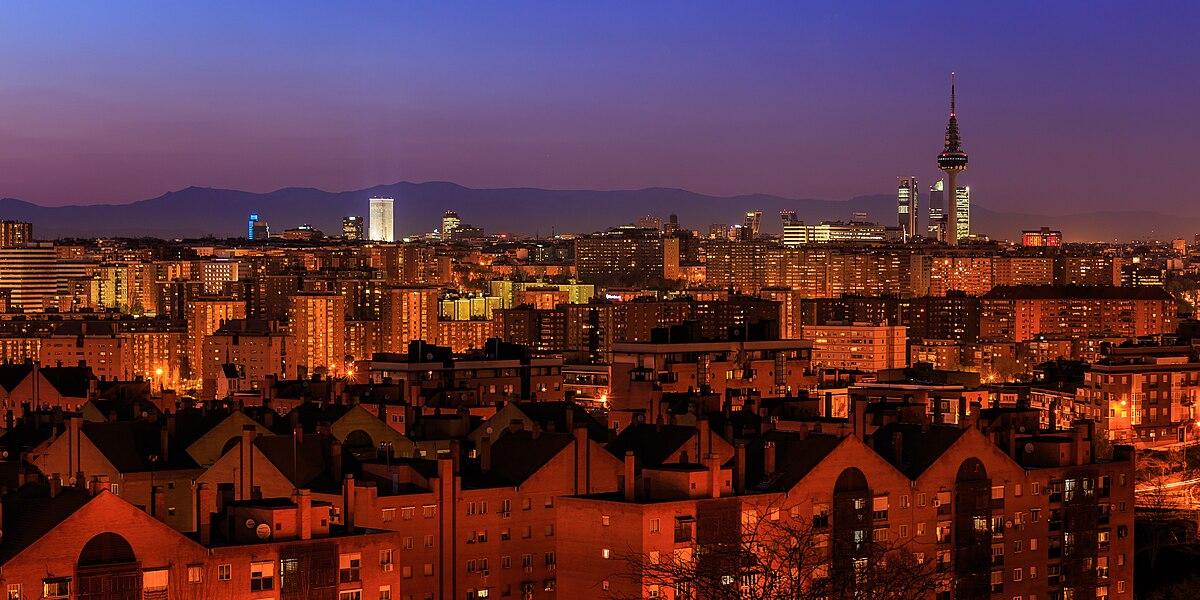
Spain's grand capital pairs imperial-era architecture with one of Europe's most dynamic 21st-century economies. From the marble-clad mansions and luxury boulevards of Salamanca, through the classical residential blocks of Chamberí, to the gleaming towers of the Cuatro Torres business district in Chamartín, Madrid offers investors an unusual combination of capital-city prestige, deep liquidity, and yield potential that compares favorably with Paris, London, and Amsterdam. As the EU's fourth-largest regional economy and home to 72% of Spain's banking activity, Madrid draws constant inflows of corporate talent, multinational headquarters, and international capital. The city's residential market entered 2026 on the back of double-digit price growth in 2024 and 2025, supported by a structural supply shortfall and accelerating in-migration. While the Golden Visa programme was terminated in April 2025, Spain's mainstream investor pathways — combined with Madrid's lifestyle, transport infrastructure, and cultural depth — continue to make the capital the most strategically important city in the Iberian peninsula for international buyers.
7 min read
Marbella City Guide
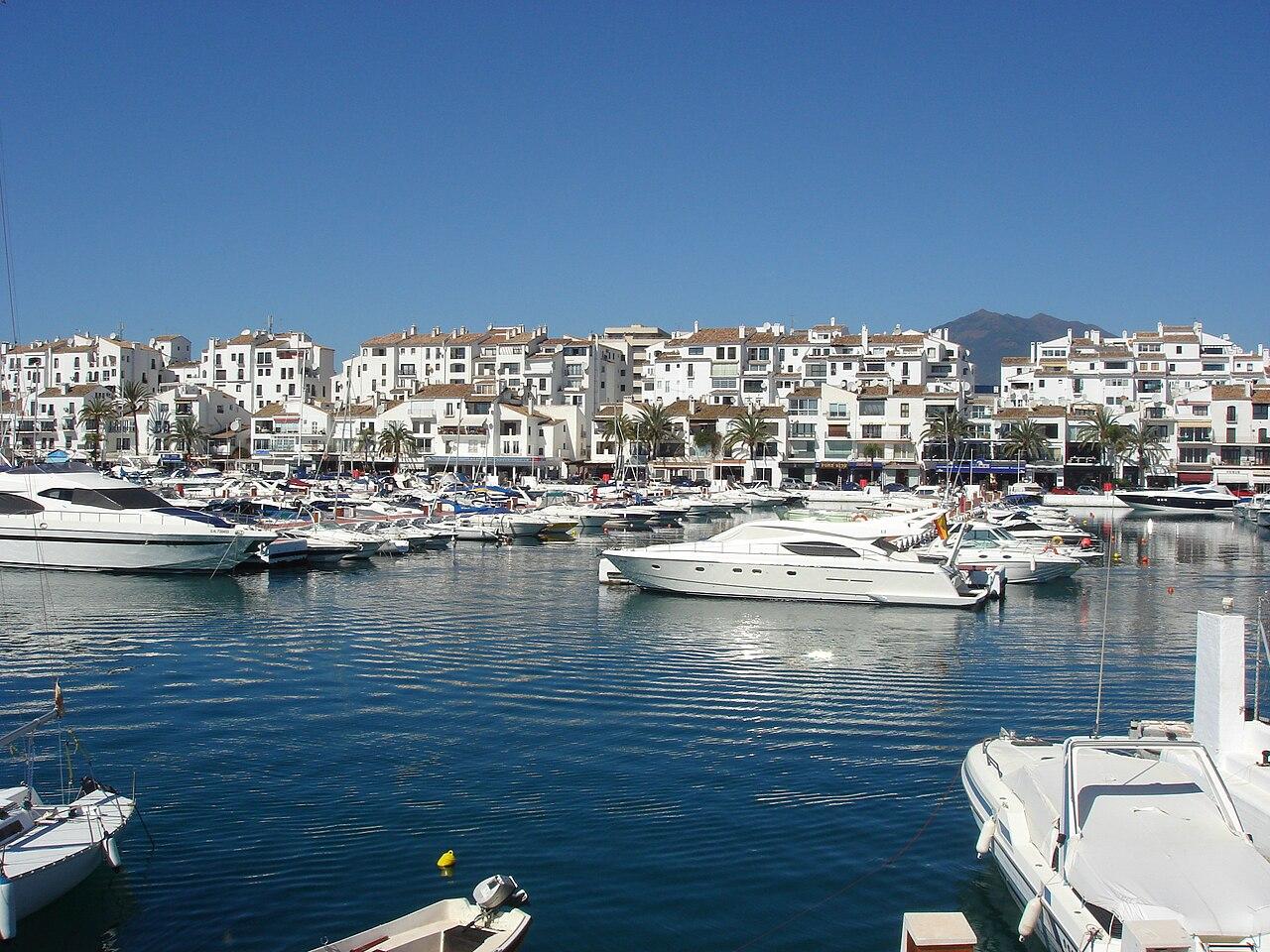
Marbella is the luxury capital of the Costa del Sol (Málaga province, Andalusia), where the Sierra Blanca mountains, crowned by La Concha, meet 27 km of Mediterranean coast. Its glamour is anchored by the Golden Mile, a prestige beachfront-to-hillside corridor running west toward Puerto Banús, the superyacht marina synonymous with designer boutiques, beach clubs and nightlife. The municipality blends a whitewashed Old Town around Plaza de los Naranjos with Nueva Andalucía's 'Golf Valley' and gated villa enclaves like Sierra Blanca and Cascada de Camoján, drawing British, Scandinavian, Dutch, German, Middle Eastern and Russian HNW buyers (~36% of residents are foreign nationals). Foreigners can buy property freely with no nationality restriction, but Spain ABOLISHED its Golden Visa (residency-by-property-investment), which closed to new applicants on 3 April 2025, a purchase no longer grants residency. Short-term tourist-rental (licencia turística) rules are tightening across Spain, and a January 2025 government proposal of an up-to-100% surcharge on second-hand homes bought by non-EU non-residents remains a contested proposal, not law.
8 min read
Málaga City Guide
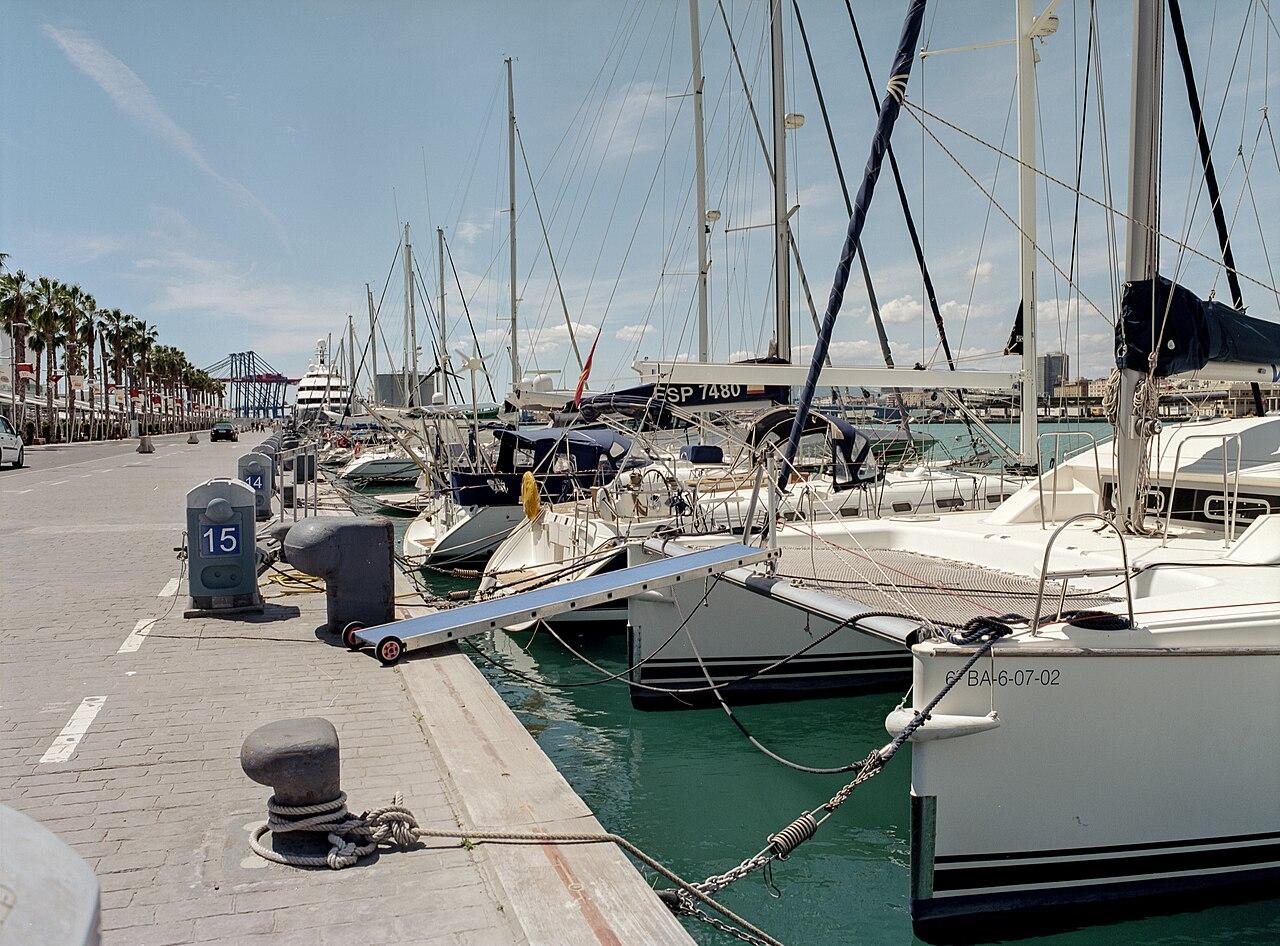
Málaga is the sun-drenched capital of the Costa del Sol and Andalusia's second city (~592,000 residents; ~1.3M metro), a Mediterranean port that has transformed from a beach gateway into one of southern Europe's most dynamic urban centres. Birthplace of Picasso, it is a museum powerhouse, the Museo Picasso, Centre Pompidou (El Cubo on Muelle Uno), Carmen Thyssen and CAC, alongside the Moorish Alcazaba, the Roman Theatre, the Gibralfaro castle and the Cathedral ('La Manquita'). A modernised cruise port, the Muelle Uno promenade and city beaches (La Malagueta, Pedregalejo) sit beside the fast-growing 'Málaga Valley' tech economy (Google, Vodafone, 600+ firms at Málaga TechPark). Foreigners can buy property freely with no nationality restriction, but Spain ABOLISHED its Golden Visa (residency-by-property-investment), which closed to new applicants on 3 April 2025, a purchase no longer grants residency. Short-term tourist-rental (licencia turística) rules are tightening across Spain, and a January 2025 government proposal of an up-to-100% surcharge on second-hand homes bought by non-EU non-residents remains a contested proposal, not law.
8 min read
Seville City Guide
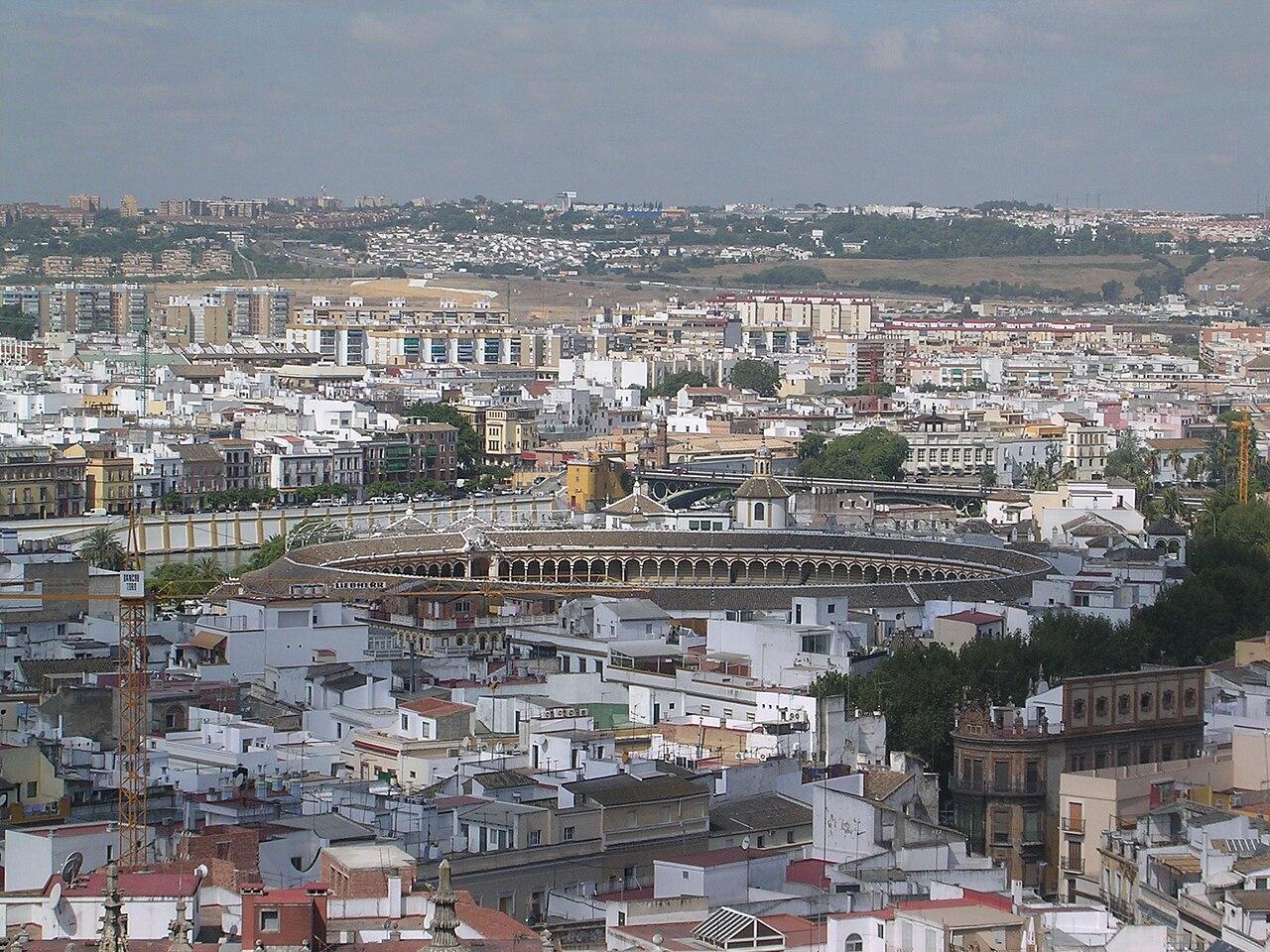
Seville, the sun-drenched capital of Andalusia, offers international buyers a rare blend of world-class heritage, a thriving tourism economy and property prices that remain well below Madrid and Barcelona. The city of roughly 688,000 (with more than 1.5 million in the wider metropolitan area) is built around landmarks such as the cathedral and Giralda, the Real Alcazar and the Plaza de Espana, all of which underpin one of Europe's most resilient tourism flows. Average residential prices sit near 2,000-2,250 euros per square metre citywide, with prime central districts (Nervion, Triana and Los Remedios) pushing toward 2,900 euros/m2 for high-spec units. Rental yields are attractive at roughly 5-6% gross, and occupancy in prime areas exceeds 95%, supported by students, hospital staff and a growing remote-worker population. Forecasts point to steady 3-5% price growth over the next year, with most new construction concentrated in Sevilla Este and Bellavista. As a Eurozone city Seville offers currency and legal stability, though Spain abolished its Golden Visa in 2025, so non-EU buyers no longer gain residency through purchase. Other headwinds include tightening short-term-rental regulation in tourist-heavy zones and affordability pressure on local buyers, both of which make district and licence due diligence essential.
7 min read
Neighborhood deep-dives
View all neighborhood guides →Alicante
Albufereta
A cove-beach residential pocket between the centre and San Juan, with Roman ruins and a small marina.
Alicante
Casco Antiguo
Alicante's atmospheric old quarter (El Barrio) below Santa Barbara castle, the city's nightlife heart.
Alicante
Playa de San Juan
Alicante's long sandy main beach, backed by modern apartments and connected by tram to the centre.
Barcelona
Barceloneta
Barcelona's beach lives here, a historic fishermen's grid pressed against the Mediterranean and Port Vell marina.
Barcelona
Ciutat Vella
Barcelona's medieval heart - the Gothic Quarter, El Born, El Raval and Barceloneta beach - where centuries of heritage meet Europe's most tourist-dense, most STR-restricted residential streets.
Barcelona
Eixample
Barcelona's grand 19th-century Cerda grid - the modernisme heartland of Gaudi landmarks and Passeig de Gracia luxury, and the city's most prized prime-central residential address.
Barcelona
Gracia
A former independent village turned bohemian, low-rise enclave of lively plazas, independent shops and creative culture, where village intimacy meets some of Barcelona's strongest residential rental demand.
Barcelona
Les Corts
Quietly affluent, family-friendly and green, home to Camp Nou, L'Illa Diagonal and the Pedralbes fringe.
How INTRIC Supports Your
Spain Investment
INTRIC does not sell property. INTRIC helps members make better decisions before committing capital.