Property Investment Guide
Canada
Immigration-led demand, rule-of-law safety, and long-term capital resilience
Market Type
Core, immigration-driven preservation market
Risk Profile
Low
Canada is one of the world's most trusted and structurally supported residential property markets, underpinned by strong rule of law, aggressive immigration targets, deep domestic demand, and global lifestyle appeal. For global investors, Canada is typically positioned as a core, capital-preservation and lifestyle market, offering resilience, liquidity, and long-term relevance.
Ideal For
- HNWIs and UHNWIs seeking safe-haven real assets
- Family offices allocating to core North American markets
- Buyers planning relocation, education-linked ownership, or legacy assets
- Investors prioritising governance, liquidity, and long-term demand
- Capital allocators balancing growth markets with defensive exposure
Consider Carefully If
- • Ultra-high-yield or speculative trading strategies
- • Investors seeking rapid short-term appreciation
- • Purely opportunistic frontier allocations
Why invest in Canada?
Key factors driving global investor interest in Canada property.
Immigration-driven structural housing demand
Canada has one of the world's most ambitious immigration programs. Key impacts include consistent population growth, sustained housing demand in major cities, and long-term rental market depth. This demand is policy-driven and structural, not cyclical.
Strong rule of law and financial system stability
Canada offers one of the world's safest banking systems, transparent land registry and transaction processes, and predictable regulatory enforcement. This provides exceptional capital security for long-term investors.
Education, lifestyle, and family appeal
Canada is a top destination for international education, family relocation, and long-term residency planning. Property ownership often aligns with education and family-driven strategies.
Key Investment Locations
Prime areas attracting international property investors in Canada.

Toronto
Canada's largest and most liquid property market with strong employment base and deep buyer demand.
→ Liquidity, rental depth, and capital preservation
Vancouver
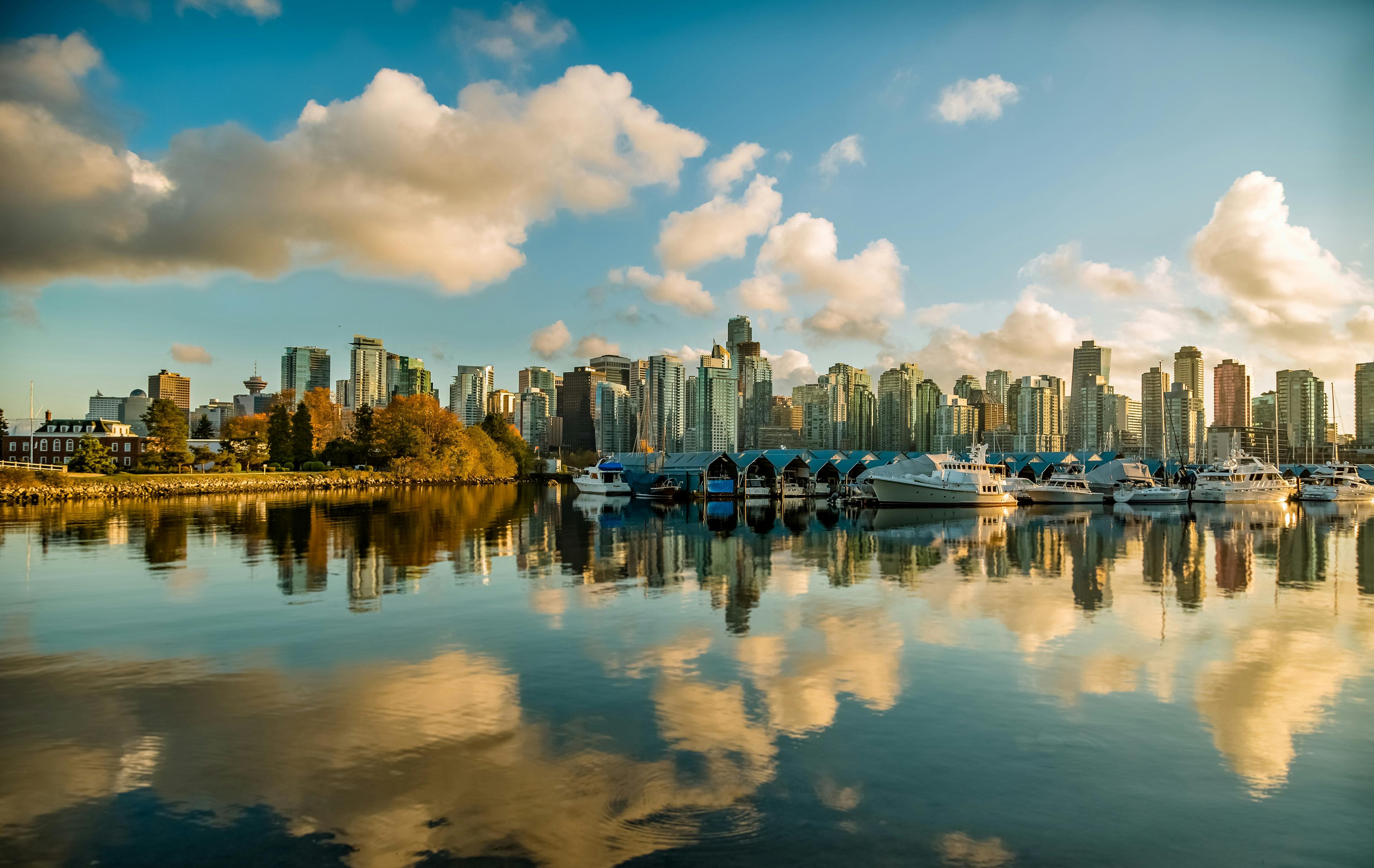
Canada's most internationally recognised lifestyle market with extreme land scarcity and Pacific Rim connectivity.
→ Preservation-oriented and lifestyle-driven investors

Montreal
Offers lower entry pricing, strong rental culture, and large student and professional populations.
→ Balanced yield and long-term urban demand
Calgary & Western Cities
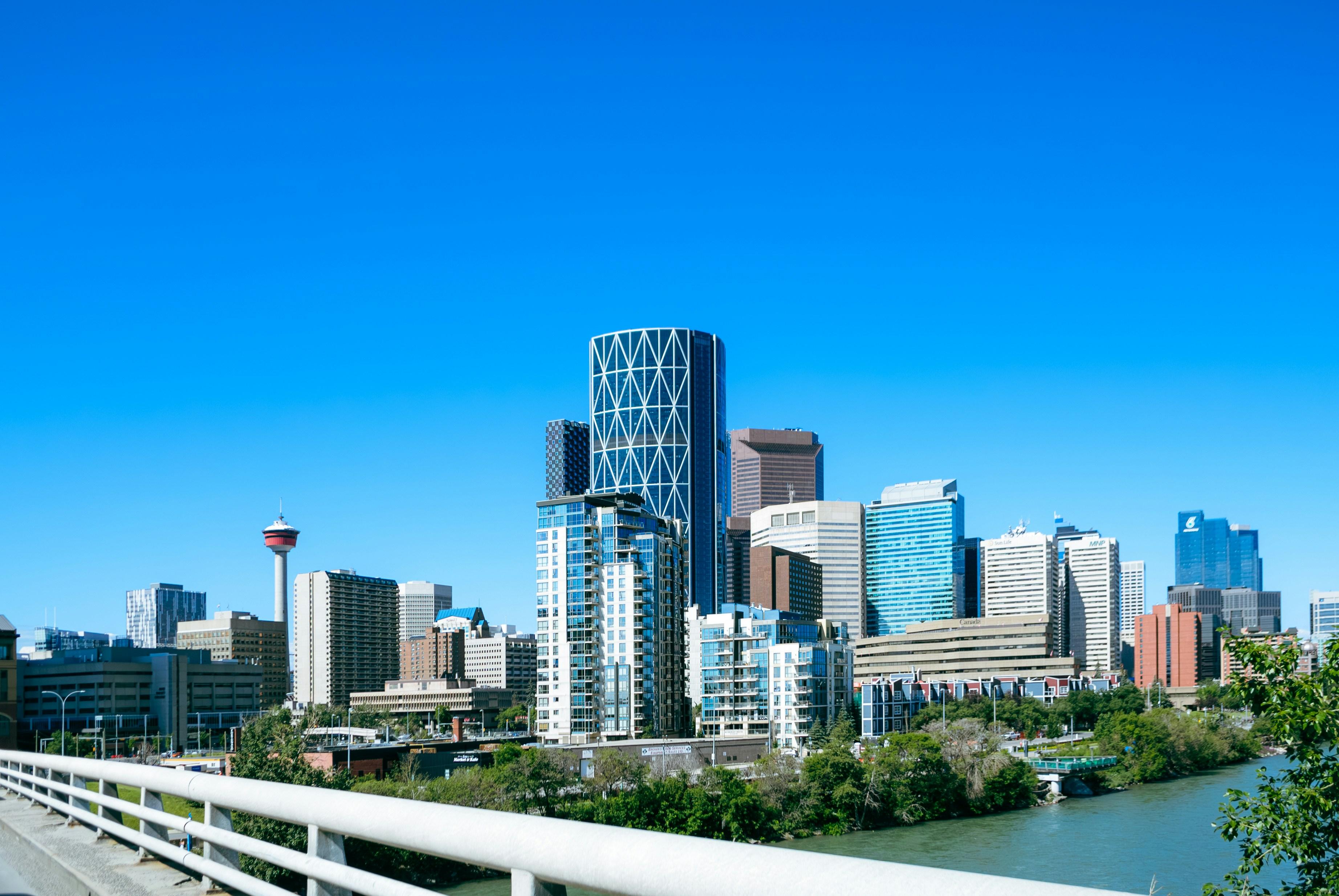
Cities including Calgary offering lower entry prices, strong domestic migration, and diversified economic recovery.
→ Value opportunities in more cyclical markets
Investment Strategies
Common approaches for Canada property investment.
Long-term buy-to-rent residential
Investors focus on apartments and townhomes in major cities, proximity to employment centres and universities, and professionally managed assets. Returns are driven by rental income and long-term appreciation.
Education- and family-driven ownership
Many buyers acquire property for children studying in Canada and future relocation or residency planning. This strategy blends personal utility with investment logic.
Capital preservation and diversification
Canada is often used as a North American capital-safety anchor and a hedge against geopolitical instability elsewhere.
Where Capital is Flowing
- Supply-constrained urban markets
- Assets aligned with long-term immigration demand
- Properties appealing to domestic end-users
- Locations with strong transit and infrastructure links
Key Considerations
- Policy changes affecting foreign buyers
- Affordability pressures and regulatory intervention
- Interest-rate sensitivity
- Regional price dispersion
Read before you invest in Canada
Buying process, city deep-dives, and on-the-ground neighborhood intelligence
Country buying guide
View all buying guides →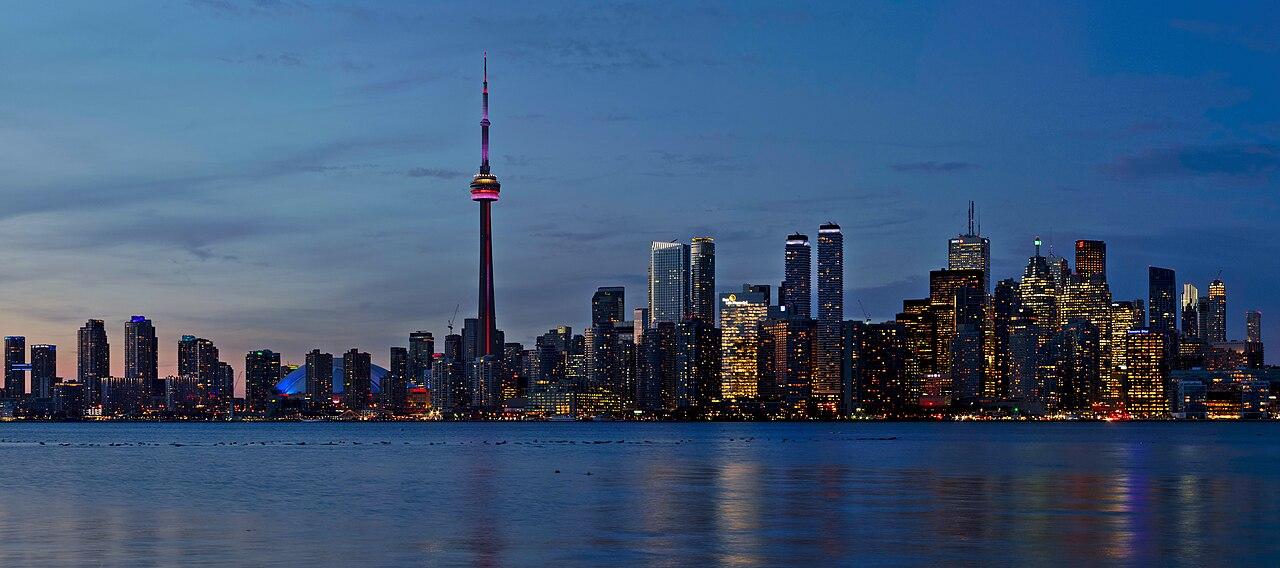
Buying Guide
Canada Investor Guide
Investing in Canada, Navigating the Foreign-Buyer Ban, Provincial Surcharges, and the 2026 Market Reset
City guides
View all city guides →
Montreal
Montreal is Canada's second-largest city and the cultural capital of French-speaking North America, a metropolitan area of around 4.6 million people that has become the best-performing major housing market in the country. More affordable than Toronto or Vancouver, it combines a deep student and talent base, McGill, Concordia, UdeM and UQAM, with a creative economy and a distinctive European character in neighbourhoods like the Plateau and Old Montreal. Crucially for foreign investors, Quebec imposes no provincial foreign-buyer tax, a relative advantage over British Columbia and Ontario, although the federal foreign-buyer ban still applies. While Toronto and Vancouver correct in 2026, Montreal is forecast to keep growing.
7 min read
Toronto
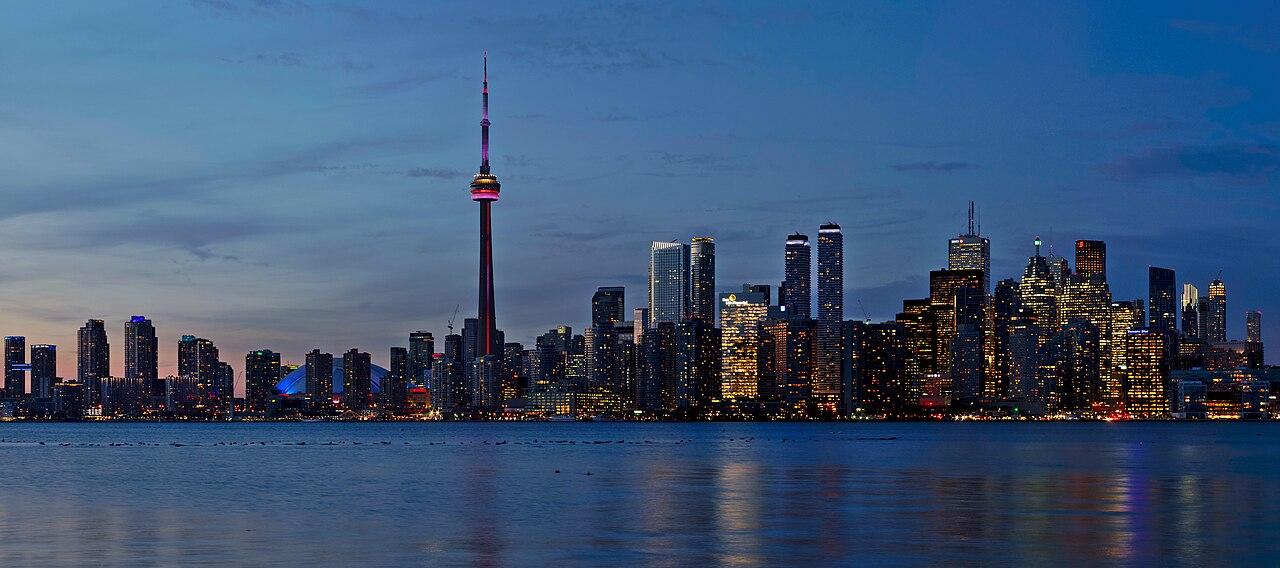
Toronto is Canada's largest city and financial capital, anchoring a metropolitan area of roughly 7.1 million people and home to the Toronto Stock Exchange and the country's major banks. It is the deepest, most liquid property market in Canada, spanning a dense downtown condo market, established residential neighbourhoods and fast-growing transit corridors. For international investors the city is defined as much by regulation as by fundamentals: the federal foreign-buyer ban applies in full (Toronto is a Census Metropolitan Area), and Ontario's 25% Non-Resident Speculation Tax plus the City of Toronto's 10% municipal NRST stack to a 35% surcharge where a purchase is permitted. 2026 is a reset year, with prices down mid-single digits year-on-year and elevated condo inventory shifting leverage toward buyers, even as multi-decade-low condo starts point to a future supply squeeze.
7 min read

Vancouver
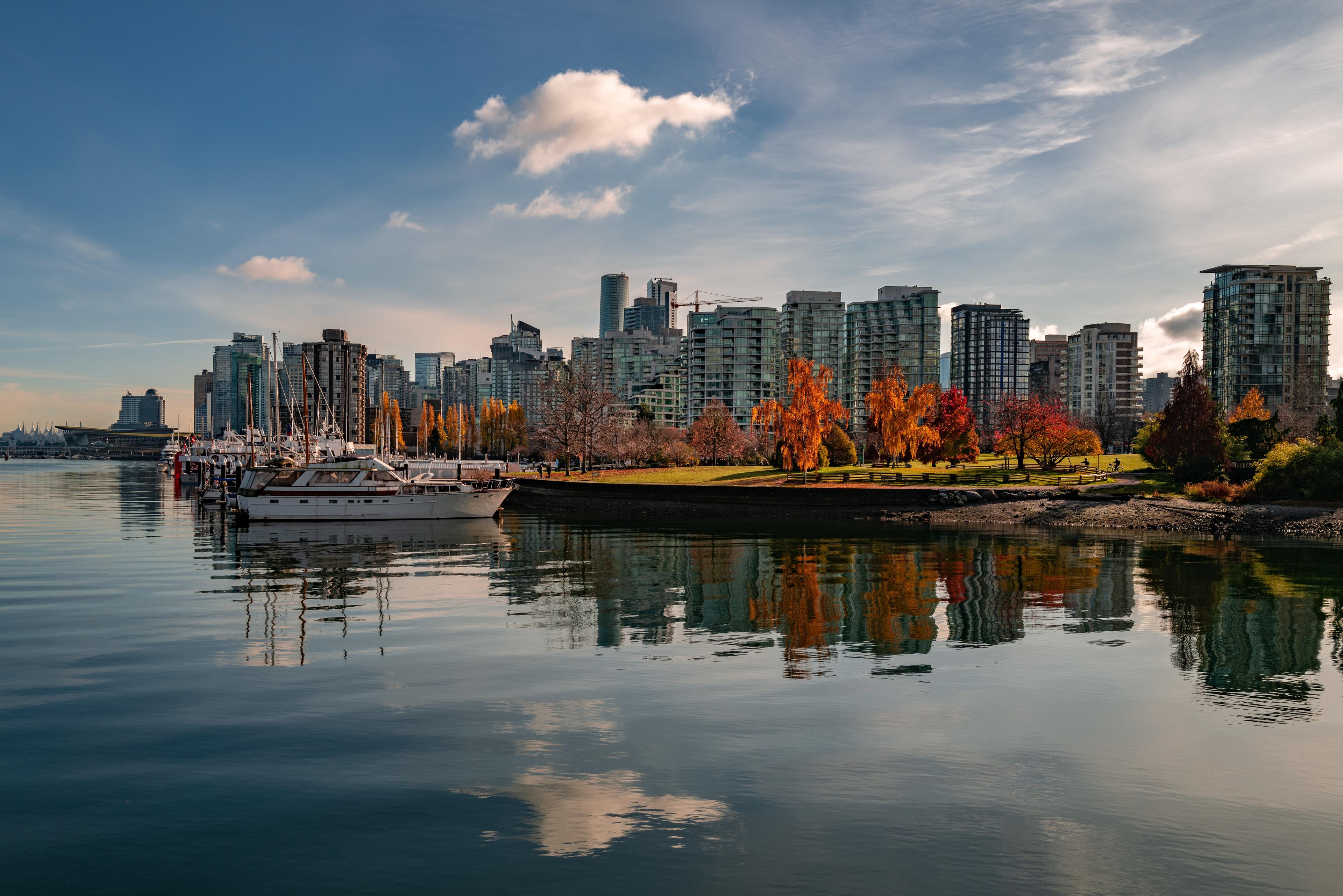
Vancouver is Canada's Pacific gateway and most expensive housing market, a metropolitan area of roughly 3.1 million people set between the ocean and the North Shore mountains. Its property market spans glass-tower condos in Coal Harbour and Yaletown, beachside Kitsilano, and dense transit-oriented corridors. For international investors the city is heavily regulated: the federal foreign-buyer ban applies (Metro Vancouver is a Census Metropolitan Area), British Columbia adds a 20% foreign-buyer tax in the region, and the Speculation & Vacancy Tax rises to 3% for foreign owners in 2026. The market is in a 2026 reset, with the benchmark down nearly 7% year-on-year and a further decline forecast, giving buyers leverage while supply scarcity and the coming Broadway Subway underpin the long run.
7 min read
Neighborhood deep-dives
View all neighborhood guides →Montreal
Griffintown
Montreal's condo-boom district, canal-side Griffintown beside downtown, the city's deepest new-build market for eligible investors
Montreal
Hochelaga-Maisonneuve
Montreal's up-and-coming east end, affordable, gentrifying Hochelaga-Maisonneuve around the Olympic Park: the city's value-and-yield play
Montreal
Old Montreal (Vieux-Montréal)
Montreal's historic cobblestone core, Old Montreal's heritage lofts, the Old Port and Notre-Dame Basilica: a boutique-luxury, lifestyle address
Montreal
Plateau-Mont-Royal
Montreal's bohemian heart, the Plateau's spiral-staircase triplexes, café terrasses and the Main: the city's most beloved walkable district
Montreal
Verdun
Montreal's riverside family favourite, Verdun's celebrated Wellington Street and St Lawrence waterfront: value, walkability and quick downtown access
Montreal
Ville-Marie (Downtown)
Montreal's downtown core, Ville-Marie's universities, festivals and RÉSO Underground City: the city's most connected, culturally dense address
Montreal
Westmount
Montreal's most prestigious enclave, Westmount's mansions, mature trees and elite schools: the city's defensive, capital-preservation address
Toronto
Downtown Core
A vertical canyon of bank towers and glass condos where Bay Street, the 30 km underground PATH and Union Station’s commuter tide make this Canada’s most walkable, transit-saturated business core.
How INTRIC Supports Your
Canada Investment
INTRIC does not sell property. INTRIC helps members make better decisions before committing capital.